
Introduction
The Third Ecumenical Council of Ephesus, held in 431 AD, marked a pivotal moment in Christian history. Convened to resolve theological disputes regarding the nature of Christ and the role of Mary, the council famously affirmed Mary's title as Theotokos—meaning "God-bearer" or "Mother of God." This decision not only clarified key doctrines surrounding the nature of Christ but also elevated Mary’s position in Christian theology, affecting the development of Mariology for centuries to come. Ephesus, a city rich in religious significance, became central to this theological discourse, solidifying its place in the story of Christian belief.
Background of the Council of Ephesus
The council was called primarily to address the theological controversy stirred by Nestorius, the Archbishop of Constantinople. Nestorius argued that Mary should be referred to as Christotokos ("Christ-bearer") instead of Theotokos, claiming that Mary only gave birth to the human nature of Christ and not his divine nature. This view caused division, as many believed that Mary, as the mother of Jesus, should be recognized as the mother of the complete person of Christ, who was both fully divine and fully human from conception.
Nestorian Controversy:
Nestorius' teachings challenged the doctrine of the Incarnation by suggesting that there was a separation between Christ's divine and human natures. This created confusion and theological unrest, as it seemed to imply that Jesus was two distinct persons: one divine and one human. His denial of the title Theotokos led to a significant theological dispute within the Church, sparking a deep debate on Mary’s role in Christ’s nature.
Cyril of Alexandria’s Opposition:
Cyril of Alexandria, one of the leading voices in the Church at the time, strongly opposed Nestorius’ views. Cyril argued that Mary could only be called Theotokos because she gave birth to the person of Jesus Christ—both fully divine and fully human. He emphasized that the two natures of Christ were united in one person, and thus, Mary, as his mother, was the mother of the whole person, not just his human nature. Cyril’s advocacy for Theotokos ultimately led to his victory in the theological dispute.
The Council of Ephesus and the Title of Theotokos
At the Council of Ephesus, bishops from across the Christian world gathered to address the controversy. The council rejected Nestorius’ teachings and declared them heretical, affirming the doctrine that Mary was indeed Theotokos. This decision reinforced the belief in the unity of Christ’s divine and human natures, as well as Mary’s integral role in salvation history.
Theological Implications:
The decision to recognize Mary as Theotokos affirmed the doctrine of the Incarnation—Jesus Christ, as the Son of God, was both fully divine and fully human from the moment of his conception. This belief became central to Christian theology, as it emphasized that Jesus' divinity was not separate from his humanity but fully united in one person.
Mary as Theotokos:
The title Theotokos emphasized Mary’s unique role as the mother of God, marking her as a central figure in Christian faith. The affirmation of this title not only recognized Mary’s significance in the birth and life of Jesus but also underscored the importance of her faith and obedience. It demonstrated that Mary was not just a passive vessel but an active participant in the divine plan of salvation.
The Lasting Impact of the Council’s Decision
The decision of the Council of Ephesus had a profound and lasting impact on both Christian theology and the development of Marian devotion. By acknowledging Mary as Theotokos, the Church solidified her place in Christian spirituality, laying the foundation for centuries of Marian prayers, feasts, and theological reflection.
Foundation for Marian Devotion:
The council's affirmation of Mary as Theotokos helped cultivate centuries of Marian devotion. Her title as the Mother of God became a central aspect of Christian faith, leading to the development of prayers such as the Hail Mary, as well as the establishment of numerous Marian feasts, including the Feast of the Assumption. This devotion continues to be a defining feature of Catholic and Orthodox Christianity, with millions of believers seeking Mary's intercession and guidance.
Influence on Christian Doctrine:
By affirming the title Theotokos, the council also reinforced the doctrine of the Incarnation, which continues to shape Christian beliefs about the nature of Jesus. The council's decision helped solidify the understanding that Jesus was both fully human and fully divine, a core tenet of Christian doctrine that underpins much of Christian teaching about salvation and redemption.
Theological Significance of Theotokos in the Church Today
Mary’s role as Theotokos remains a significant theological concept in contemporary Christianity. In Catholic and Orthodox traditions, the title Theotokos is not just a historical recognition but a living aspect of faith that continues to inspire devotion and guide believers in their spiritual journeys.
Mary as an Example of Faith:
As Theotokos, Mary stands as a model of faith, obedience, and humility. Her willingness to accept God’s will, despite the challenges and unknowns, presents a profound example for Christians. She is often invoked as a symbol of grace and trust in God's plan, offering believers a model for their own relationship with God.
Theotokos in Liturgy and Prayer:
The title Theotokos is present in Christian liturgies, especially in the Orthodox and Catholic traditions. In the Divine Liturgy and other prayers, Mary is honored as the Mother of God, affirming her unique position in the Church’s worship. The title is also reflected in various hymns and prayers that celebrate her role in salvation history.
Conclusion
The Council of Ephesus stands as a milestone in Christian history, shaping the Church’s understanding of the nature of Christ and solidifying Mary’s role as the Theotokos. The council's affirmation of this title laid the foundation for Marian devotion, emphasizing her central place in Christian theology and spirituality. Today, the title Theotokos continues to inspire believers, reminding them of Mary's unwavering faith and her vital role in the story of salvation.
External Link Suggestion:
Link to the Wikipedia page on the Council of Ephesus for additional background on the council’s history and theological significance.
Historical Background
The history of Mary, Theotokos: The Council of Ephesus and Its Lasting Influence traces back to the early Christian church and the pivotal theological debates that defined its beliefs about Christ's nature. Ephesus played a key role in shaping these doctrines, solidifying its importance in Christian history.
Archaeological Discoveries
Recent archaeological excavations have provided insights into the significance of the Council of Ephesus and its lasting impact on Christian thought. These discoveries offer valuable evidence of the theological discussions that took place and their influence on the early Church.
Cultural Significance
Understanding the Council of Ephesus and Its Lasting Influence is essential for appreciating the broader cultural context of early Christianity. Ephesus, as a center of theological debate and spiritual growth, played a pivotal role in the formation of Christian doctrine.
Visitor Information
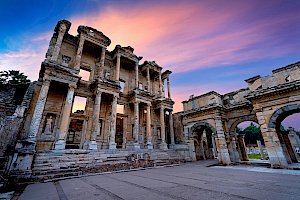
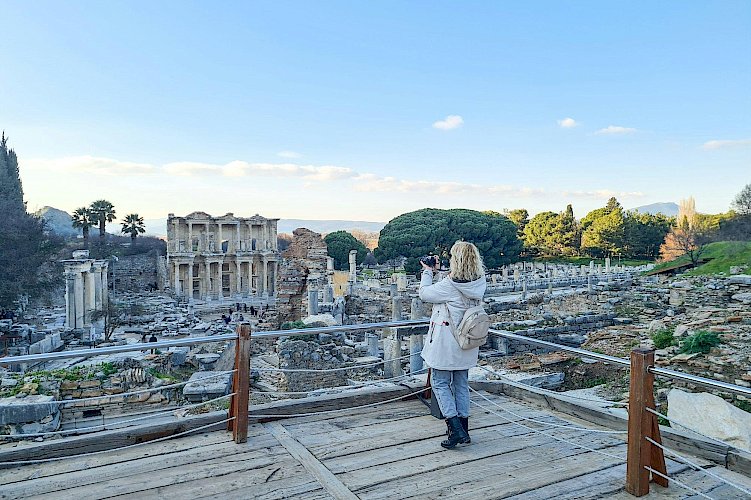
Today, visitors to Ephesus can explore sites related to the Council of Ephesus and its theological implications. Practical tips and advice are provided to help visitors engage with the city's rich history and religious significance.
Preservation and Future
Efforts to preserve the historical sites of Ephesus ensure that the legacy of the Council of Ephesus remains intact for future generations. These ongoing efforts contribute to understanding the lasting influence of the council on Christian theology.
Frequently Asked Questions
What is the historical significance of Mary, Theotokos: The Council of Ephesus and Its Lasting Influence?
The council’s decision at Ephesus solidified the doctrine of the Incarnation and affirmed Mary’s title as Theotokos, shaping Christian theology for centuries to come.
What can visitors see related to Mary, Theotokos: The Council of Ephesus and Its Lasting Influence today?
Visitors to Ephesus can explore significant sites related to the council and its theological impact, including the historical locations of theological debates and early Christian teachings.
When is the best time to visit Mary, Theotokos: The Council of Ephesus and Its Lasting Influence?
The best time to visit is during the spring (April-May) or autumn (September-October) when the weather is mild and crowds are smaller.