

Introduction
The Dormition of Mary, also known as the Assumption, refers to the moment when Mary, the mother of Jesus, was taken from this world into heaven. This pivotal event in Christian tradition is associated with two sacred places: Ephesus, where many believe Mary spent her final years, and Jerusalem, where another tradition holds that she passed away. Both sites are important pilgrimage destinations, offering unique insights into Mary’s life and legacy.
The Tradition of Mary’s Final Years in Ephesus
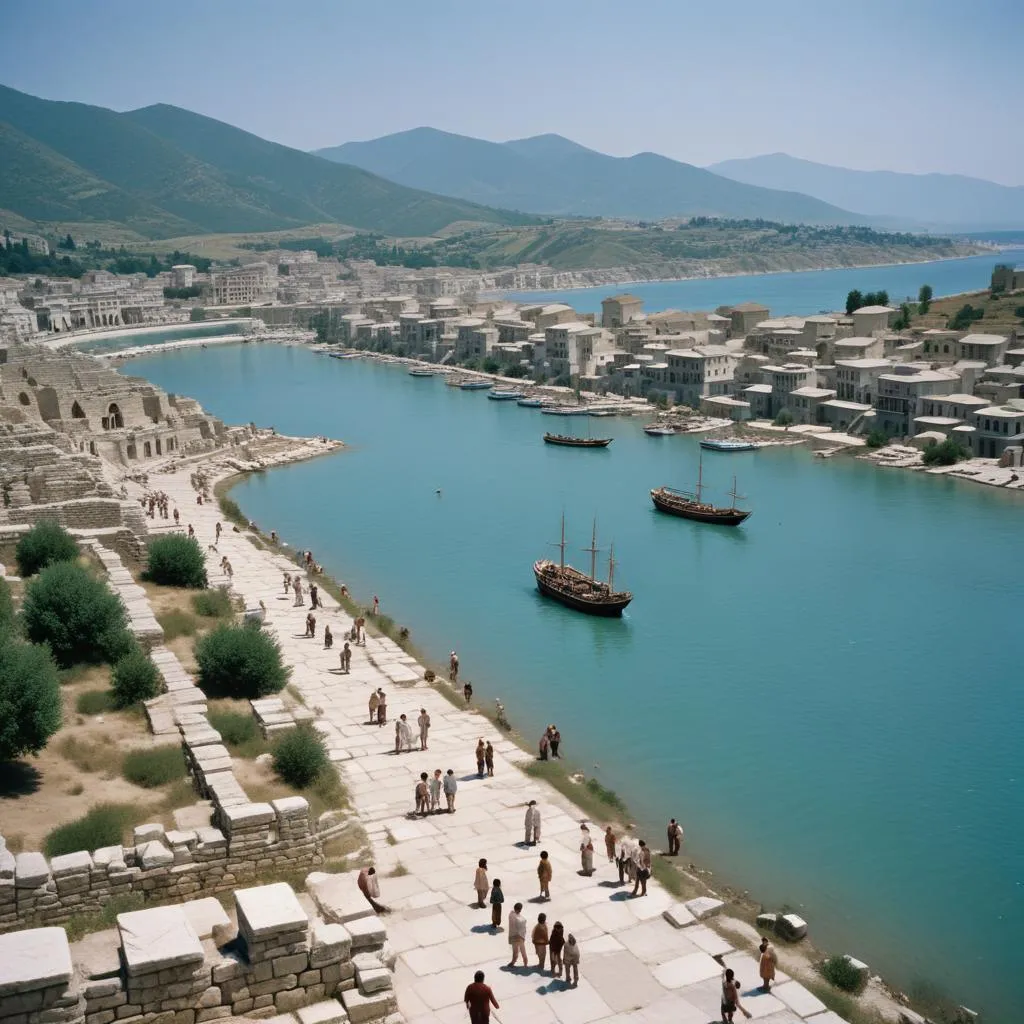
According to tradition, after the crucifixion of Jesus, Mary traveled to Ephesus with the Apostle John, who was entrusted by Jesus to care for her. Ephesus, a bustling city on the Aegean coast of Asia Minor, is where Mary is believed to have lived her final years in peace, under John’s protection.
Ephesus as Mary’s Last Home
After Jesus' crucifixion, Mary is said to have accompanied John to Ephesus, where she could live in peace away from the turmoil in Jerusalem. The city, known for its openness to different religious beliefs, provided a place where Mary could continue her spiritual mission quietly.
House of the Virgin Mary
In Ephesus, Mary’s home is believed to be located on Nightingale Mountain, near the ruins of the ancient city. The site, known as the House of the Virgin Mary, has become a major place of pilgrimage for both Christians and Muslims. Visitors come to reflect on Mary’s life and the possibility that she experienced the Dormition there. The site’s tranquility offers a sense of spiritual peace and connection to Mary’s legacy.
The Tradition of Mary’s Dormition in Jerusalem
While many Christians believe that Mary spent her final years in Ephesus, another significant tradition holds that she died and was assumed into heaven in Jerusalem. This belief is particularly strong in Eastern Christianity, where the Church of the Dormition on the Mount of Olives is dedicated to her memory.
The Church of the Dormition in Jerusalem
The Church of the Dormition, located on Mount Zion in Jerusalem, is revered as the place where Mary’s earthly life ended. According to tradition, after her death, Mary was assumed body and soul into heaven, an event celebrated in the Assumption. This church remains one of the most significant pilgrimage sites for Christians who wish to honor Mary’s memory.
Ancient Writings and Local Beliefs
The tradition of Mary’s Dormition in Jerusalem is supported by various early Christian writings, including texts attributed to the apostles and church fathers. Local devotions in Jerusalem further solidify this belief, with Christians gathering in the city to celebrate the Dormition as a central event in Mary’s life.
The Assumption of Mary: Ephesus and Jerusalem Perspectives
Both Ephesus and Jerusalem hold important perspectives on the Assumption of Mary, a feast day celebrated by both Catholic and Orthodox Christians. Regardless of where it occurred, the Assumption honors Mary’s unique role in salvation history and her passage into heaven.
Celebration of the Assumption
The Assumption of Mary is one of the most important feast days in Christianity. It commemorates Mary’s passage into heaven, symbolizing her purity, devotion, and her essential role in the story of salvation. While Ephesus and Jerusalem differ in their traditions about the location of the Dormition, both cities play a significant role in celebrating this sacred event.
Two Holy Cities, One Sacred Event
Ephesus and Jerusalem, though linked by different traditions, both offer pilgrims a connection to the Dormition and Assumption of Mary. Pilgrims traveling to these sites can reflect on the spiritual significance of Mary’s life, death, and entry into heaven, drawing inspiration from her humility, faith, and devotion.
Ephesus and Jerusalem: Pilgrimage and Devotion to Mary
Both Ephesus and Jerusalem serve as important pilgrimage sites, where Christians honor Mary and deepen their faith. Visiting these sites allows believers to connect with Mary’s life and role in the early church, reflecting on her influence as a spiritual mother and guide.
Pilgrimage to Ephesus
The House of the Virgin Mary near Ephesus is a significant site for reflection and prayer. Pilgrims who visit this site often experience a profound connection to Mary’s life and legacy. The peaceful atmosphere of the house encourages visitors to spend time in quiet contemplation, reflecting on Mary’s final years and her role in the early Christian community.
Pilgrimage to Jerusalem
The Church of the Dormition in Jerusalem is a revered destination for those wishing to honor Mary’s memory. The church offers a spiritual space for visitors to reflect on Mary’s role in the life of Jesus and her place in the Christian tradition. Pilgrims who visit Jerusalem can immerse themselves in the rich history of the early church and connect with the traditions that have shaped Christian belief.
Conclusion
Both Ephesus and Jerusalem play crucial roles in the traditions surrounding Mary’s Dormition and Assumption. While the locations of these events may differ, the significance of Mary’s life and legacy transcends geography. Pilgrims visiting these sacred sites have the opportunity to connect with her enduring influence on Christianity and to celebrate her role in salvation history.
External Link Suggestion:
Link to the Wikipedia page on the Dormition of Mary for additional background on the traditions and significance of this event.
Historical Background
The Dormition of Mary: Ephesus or Jerusalem is a topic that traces its roots back to early Christian tradition. The debate between these two locations has shaped Christian theology and influenced pilgrimage practices for centuries.
Archaeological Discoveries
Recent excavations related to Mary’s house in Ephesus and the Church of the Dormition in Jerusalem provide further insight into the rich spiritual and historical significance of these sites. Archaeological findings continue to shed light on the connections between the Dormition and early Christian traditions.
Cultural Significance
The Dormition of Mary in both Ephesus and Jerusalem has contributed greatly to the cultural and religious identity of both cities. Their influence extends beyond religious contexts, shaping local customs, artistic expressions, and the cultural heritage of Christianity.
Visitor Information
Today, visitors can explore both Ephesus and Jerusalem, experiencing the spiritual atmosphere and rich history of these sacred sites. This section provides information on how to make the most of a pilgrimage to these holy places.
Preservation and Future
Ongoing efforts to preserve both the House of the Virgin Mary in Ephesus and the Church of the Dormition in Jerusalem ensure that these important historical and religious sites continue to inspire future generations of pilgrims.
Frequently Asked Questions
What is the historical significance of the Dormition of Mary: Ephesus or Jerusalem?
The Dormition of Mary is a key event in Christian tradition, and both Ephesus and Jerusalem are significant locations tied to this event, making them important pilgrimage sites.
What can visitors see related to the Dormition of Mary: Ephesus or Jerusalem?
Visitors can explore the House of the Virgin Mary in Ephesus and the Church of the Dormition in Jerusalem, both of which serve as significant sites for prayer and reflection.
When is the best time to visit the Dormition of Mary: Ephesus or Jerusalem?
The best times to visit are during the spring (April-May) or autumn (September-October), when the weather is mild and the crowds are smaller.