
Paul’s Ministry in Ephesus
Paul’s connection with Ephesus is central to his third missionary journey. In Acts 19, we read that he spent about three years in Ephesus, preaching, performing miracles, and building the early Christian church in this bustling city. Ephesus, a significant center for commerce, culture, and religion, became a fertile ground for the spread of Christianity. Paul chose Ephesus as a base for his missionary work because of its strategic importance in the region.
Teaching in the School of Tyrannus
Paul initially preached in the local synagogue, but when some Jewish members rejected his message, he moved his teachings to the School of Tyrannus, where he taught daily. Acts 19:10 mentions that his teaching spread to “all the Jews and Greeks who lived in the province of Asia.” This marked Ephesus as an important center for early Christian evangelism, where Paul’s message reached far beyond the city’s walls.
Miracles and Confrontations
In Ephesus, Paul’s ministry was accompanied by powerful signs and wonders, including healing the sick and casting out evil spirits. His miracles drew many people to the faith, but they also caused tensions with local craftsmen who made idols of Artemis, the city’s patron goddess. This led to the Ephesian Riot, where a crowd gathered to protest Paul’s teachings, fearing the economic impact on their idol-making businesses. This confrontation, detailed in Acts 19:23-41, highlights the clash between the new Christian message and the entrenched pagan practices in Ephesus.
Paul’s Letter to the Ephesians
Paul’s Epistle to the Ephesians offers a deeper insight into his thoughts and teachings for the church in Ephesus. His letter emphasizes the importance of spiritual growth, unity in the body of Christ, and living a life rooted in love.
-
Unity in the Body of Christ
One of the key messages Paul conveys is the idea of unity among believers. In Ephesians 4:4-6, Paul writes about the oneness of the church: “There is one body and one Spirit, just as you were called to one hope when you were called; one Lord, one faith, one baptism; one God and Father of all, who is over all and through all and in all.” This message is particularly significant in a city like Ephesus, where people from diverse backgrounds and religious practices were coming together. Paul urged the Ephesian Christians to live in harmony, reminding them that their faith in Christ should unite them as one community. -
The Importance of Love
Paul’s teachings on love are central to the Christian faith. In Ephesians 5:2, Paul urges the believers to “walk in the way of love, just as Christ loved us and gave himself up for us.” For Paul, love is the foundation of Christian living, motivating believers to serve God and each other. This message of love was crucial for the Ephesian church, especially in a city known for its bustling activities and cultural diversity. Paul encouraged the Ephesian Christians to love one another as Christ loved them, fostering a supportive and compassionate community. -
Spiritual Growth and the Armor of God
In Ephesians 6:10-18, Paul introduces the concept of the Armor of God. He encourages the Ephesians to put on the full armor of God to stand firm against spiritual challenges. Paul uses the imagery of armor to describe the spiritual tools available to believers, such as the belt of truth, the breastplate of righteousness, and the shield of faith. This passage emphasizes the need for spiritual resilience, reminding Christians that they must rely on God’s strength to overcome the difficulties they face.
Paul’s Farewell to the Ephesian Elders
Before leaving Ephesus, Paul delivered an emotional farewell to the Ephesian elders in Acts 20:17-38. Meeting them in Miletus, he reflected on his time in Ephesus and urged them to remain faithful in their leadership. Paul reminded the elders of the responsibility they had to shepherd the flock of God and to protect the church from false teachers. He warned them that after his departure, savage wolves would come in and try to distort the truth. Despite his warnings, Paul also expressed his deep love for the Ephesian believers, and the farewell scene is filled with emotion as the elders weep, knowing they would not see him again.
The Lasting Impact of Paul’s Message to Ephesus
Paul’s ministry in Ephesus left a profound and lasting impact on the early Christian community. His teachings on unity, love, and spiritual resilience laid the groundwork for the church’s growth in the region. The message of unity in the Body of Christ continues to inspire believers today, encouraging them to see themselves as part of a global community of faith. The Armor of God remains a powerful metaphor for Christians facing spiritual challenges, while Paul’s emphasis on love serves as a guiding principle for all aspects of Christian life.
Conclusion
Paul’s words about Ephesus reflect his deep love and concern for the church in the city. Through his teachings, his letter to the Ephesians, and his emotional farewell to the elders, Paul left behind a legacy of faith, unity, and love. His message continues to resonate with Christians today, reminding them of the importance of building a strong, loving, and resilient community of believers. Ephesus remains a symbol of early Christian devotion and a place where Paul’s teachings helped establish a vibrant church dedicated to Christ. For believers today, Paul’s message to Ephesus serves as a reminder to live out their faith with love, unity, and spiritual strength.
Introduction
Explore the powerful teachings of the Apostle Paul about Ephesus and the lasting influence of his ministry. This guide delves into Paul’s relationship with the church in Ephesus, his teachings on unity, love, and resilience, and the impact of his message on early Christianity.
Historical Background
The Apostle Paul’s connection with Ephesus was foundational for the spread of Christianity. This article explores the history of his ministry in the city, examining how Ephesus became a central hub for early Christian teachings and community development.
Archaeological Discoveries
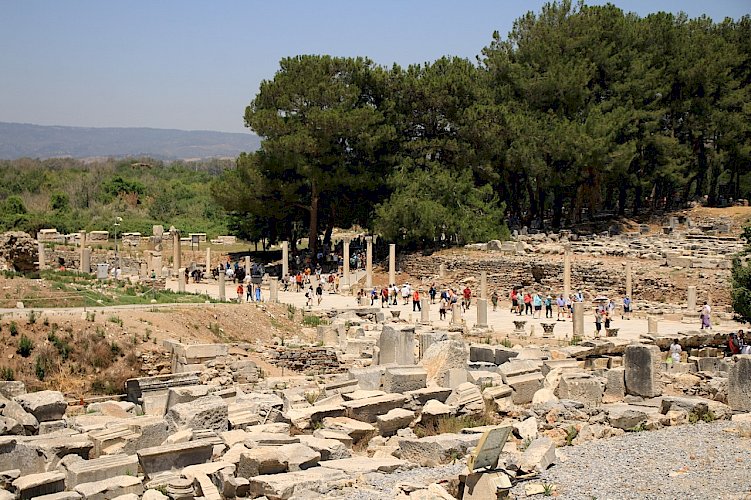
Recent excavations in Ephesus offer fascinating insights into the history of the early Christian community that Paul helped build. These discoveries help us understand the cultural and social context in which Paul’s teachings were received and practiced.
Cultural Significance
Understanding Paul’s message to the church in Ephesus is key to appreciating the broader cultural context of the early Christian movement. Ephesus, with its cultural and religious diversity, provided a unique environment for the development of Christian thought and practice.
Visitor Information
Today, visitors to Ephesus can explore the remnants of Paul’s ministry and the significant sites associated with his work. This section provides practical tips for exploring Ephesus and connecting with its rich Christian heritage.
Preservation and Future
Efforts to preserve the historical sites of Ephesus ensure that future generations can continue to learn from and be inspired by the Apostle Paul’s work. Learn about the ongoing conservation efforts that protect these important cultural and spiritual landmarks.
Frequently Asked Questions
-
What is the historical significance of Paul’s ministry in Ephesus?
Paul’s ministry in Ephesus played a crucial role in establishing early Christianity in the region and fostering a community of believers united in love and truth. -
What can visitors see related to Paul’s work in Ephesus today?
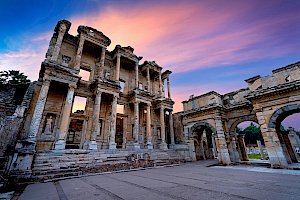
Visitors can explore significant sites like the Library of Celsus, the Great Theatre, and the Basilica of St. John, as well as sites related to early Christian life and worship. -
When is the best time to visit Ephesus?
The best times to visit are during the spring (April-May) or autumn (September-October), when the weather is mild and the crowds are smaller.