

Introduction
The question of why Mary, the mother of Jesus, is believed to have spent her final years in Ephesus has long intrigued scholars and pilgrims alike. According to tradition, after the crucifixion of Jesus, Mary was entrusted to the care of the Apostle John. Together, they traveled to Ephesus, where Mary spent her last years. Ephesus not only provided Mary with a place of refuge and spiritual growth, but also became a significant location for the early Christian community.
Historical Context: Ephesus as a Strategic Location
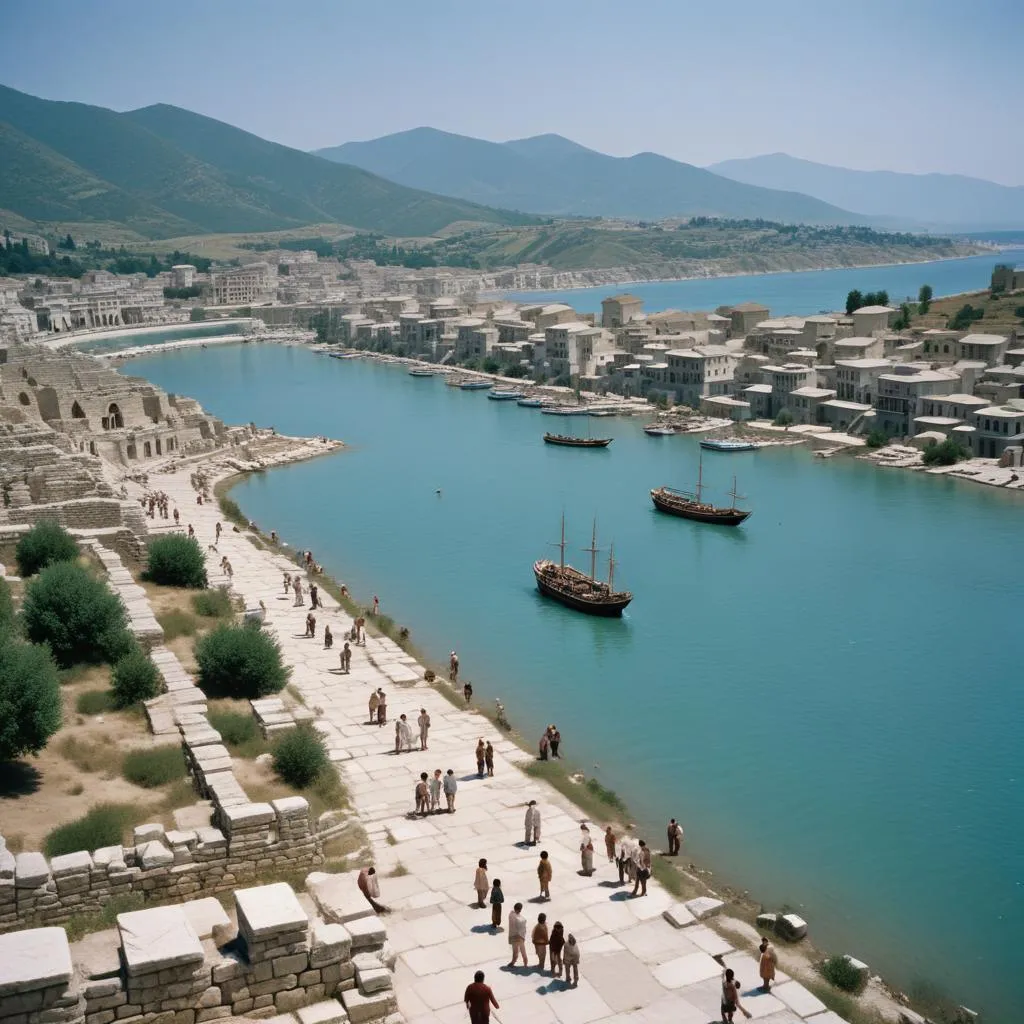
Ephesus was a prominent city in the Roman Empire, known for its wealth, cultural importance, and religious diversity. Strategically located on the Aegean coast, it was a center for commerce, art, and philosophy, making it an ideal place for the early spread of Christianity.
A Major City in the Roman Empire:
Ephesus was one of the most important cities in the Roman Empire, boasting a rich cultural, economic, and religious history. Its location on the Aegean coast made it a critical hub for trade and communication, and its influence stretched far beyond its walls.
The Spread of Christianity:
Ephesus was also a key center for the early Christian movement. It was here that the Apostle Paul spent significant time spreading the teachings of Jesus. With its diverse population and established Christian community, Ephesus became an ideal place for the spread of Christianity.
Spiritual and Practical Reasons for Mary’s Journey
While the spiritual significance of Mary’s journey to Ephesus is well-documented in Christian tradition, there were also practical reasons behind this decision. The presence of John, her protector and spiritual guide, played a key role in their relocation to Ephesus.
Fulfillment of Jesus’ Request:
According to the Bible, Jesus entrusted the care of his mother to John while he was on the cross, asking him to look after her. This request likely motivated John to bring Mary to Ephesus, where he could continue his missionary work and ensure Mary’s safety and comfort.
Seeking Peace and Solitude:
Ephesus, being far from the political unrest and dangers of Jerusalem, provided Mary with a peaceful environment where she could reflect, pray, and live out her remaining years in quiet devotion. This tranquil setting was ideal for both Mary and John, as they sought solace and continued their spiritual mission.
Ephesus as a Place of Refuge and Community
Ephesus offered Mary not only a physical refuge but also a spiritual community. The presence of early Christians in the city created a welcoming environment, providing Mary and John with support and companionship.
An Established Christian Presence:
By the time Mary and John arrived in Ephesus, the Christian community had already begun to establish itself. This thriving community would have provided the necessary spiritual and emotional support to Mary, further reinforcing her role in the early church.
Interfaith Harmony:
Ephesus was home to various religious groups, allowing for an atmosphere of interfaith harmony. This openness made the city a suitable place for Mary to live peacefully while influencing the growing Christian faith.
Mary’s Legacy in Ephesus
Mary’s time in Ephesus left a lasting spiritual legacy that continues to influence the city today. Ephesus became a prominent site in Christian history, largely due to Mary’s connection to the city.
The House of the Virgin Mary:
The House of the Virgin Mary, believed to be her final residence, stands as a symbol of her enduring influence. This small stone house has become a revered pilgrimage site, drawing visitors from around the world who come to honor her memory.
Ephesus’ Role in Christian History:
Ephesus became an important center of Christian worship and theological development, and its connection to Mary added to its significance. Sites like the House of the Virgin Mary and St. John’s Basilica serve as enduring reminders of Ephesus’ pivotal role in the early Christian faith.
Conclusion
Mary’s journey to Ephesus, guided by the Apostle John, fulfilled both spiritual and practical needs. The peaceful city of Ephesus provided Mary with a refuge and a supportive Christian community. Today, Ephesus continues to be a site of pilgrimage, where visitors can connect with the spiritual heritage left by Mary. Her legacy in Ephesus remains a lasting testament to faith, devotion, and the city’s importance in the history of Christianity.
External Link Suggestion:
Wikipedia page on the House of the Virgin Mary for further background on the historical and spiritual context of Mary’s journey to Ephesus.
Historical Background
The history of Why Ephesus? The Reasons Behind Mary’s Journey to Turkey dates back to the early days of Ephesus. Archaeological evidence suggests that this aspect of Ephesian life played a crucial role in shaping the city's development and cultural identity.
Archaeological Discoveries
Recent excavations have unveiled remarkable findings related to Why Ephesus? The Reasons Behind Mary’s Journey to Turkey. These discoveries provide valuable insights into how this aspect of Ephesian life evolved over time.
Cultural Significance
Understanding Why Ephesus? The Reasons Behind Mary’s Journey to Turkey is crucial for appreciating the broader cultural context of ancient Ephesus. Its influence extended beyond the city walls, impacting trade, religion, and daily life.
Visitor Information
Today, visitors to Ephesus can explore the remnants of Why Ephesus? The Reasons Behind Mary’s Journey to Turkey firsthand. This section provides practical information for making the most of your visit.
Preservation and Future
Ongoing conservation efforts ensure that Why Ephesus? The Reasons Behind Mary’s Journey to Turkey remains preserved for future generations. Learn about the challenges and successes in maintaining this important historical site.
Frequently Asked Questions
What is the historical significance of Why Ephesus? The Reasons Behind Mary’s Journey to Turkey?
Why Ephesus? The Reasons Behind Mary’s Journey to Turkey holds great historical importance in ancient Ephesus, providing valuable insights into the city's cultural and social development.
What can visitors see related to Why Ephesus? The Reasons Behind Mary’s Journey to Turkey today?
Visitors to Ephesus can explore well-preserved remains and artifacts related to Why Ephesus? The Reasons Behind Mary’s Journey to Turkey, offering a glimpse into the ancient world.
When is the best time to visit Why Ephesus? The Reasons Behind Mary’s Journey to Turkey?
The best time to visit is during the spring (April-May) or autumn (September-October) when the weather is mild and crowds are smaller.