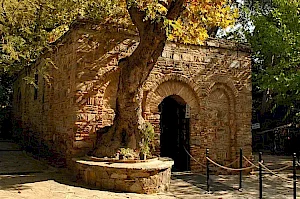


Introduction The House of the Virgin Mary, nestled on the serene slopes of Mount Koressos near the ancient city of Ephesus, is not just a historical landmark but a deeply sacred site for millions of pilgrims worldwide. Believed to be the final residence of Mary, the mother of Jesus, this modest stone house draws people from diverse faiths to honor her legacy and seek spiritual solace. Visiting this site offers more than just a glimpse into history—it's a profound spiritual experience that connects visitors with Mary’s story and her role in the Christian faith.
1. Historical Background
-
Origins of the Site: The tradition of Mary living in Ephesus dates back to early Christian writings. After the crucifixion of Jesus, Mary was entrusted to John the Apostle, who, according to tradition, brought her to Ephesus to protect her from persecution. While the Bible does not specify where she lived after Jesus' death, the link between Mary and Ephesus has been passed down through centuries of Christian tradition.
-
Papal Recognition: In 1896, Pope Leo XIII recognized the site as a place of pilgrimage, and it has since been reaffirmed by subsequent popes, highlighting its significance within the Catholic Church. The recognition of the site has encouraged both Catholics and Orthodox Christians to honor this sacred place as part of their spiritual journey.
2. Spiritual Significance
-
A Place of Pilgrimage: For both Catholics and Orthodox Christians, the House of the Virgin Mary is a profound site of devotion. It is a place where Mary’s life as the mother of Jesus and her role in early Christianity are celebrated. Pilgrims from around the world visit this house to honor Mary, pray for her intercession, and reflect on their own faith. The peaceful surroundings of the house create an atmosphere perfect for personal reflection, offering a place for spiritual growth.
-
Miraculous Stories: Many pilgrims have reported experiencing miraculous events and healings during their visit, further enhancing the sacred atmosphere of the site. These stories have helped solidify the House of the Virgin Mary’s reputation as a spiritually charged location, offering hope and solace to all who visit.
3. The Visit Experience
-
Getting There: The House of the Virgin Mary is located approximately 7 kilometers from the ancient ruins of Ephesus. The journey to the site is an opportunity to enjoy the picturesque landscape of the region. Visitors can reach the house via car, taxi, or as part of a guided tour, making it accessible for travelers of all types.
-
Site Features: The small stone house is the main attraction. Visitors can enter the house, where a simple altar and chapel provide a space for prayer and reflection. The site also features a prayer wall, where pilgrims can write their prayers on small slips of paper and attach them to the wall, symbolizing their hopes and petitions.
4. Practical Tips for Your Visit
-
Best Time to Visit: The best times to visit the House of the Virgin Mary are during the spring (April to June) and fall (September to October). During these months, the weather is mild, and crowds are smaller, allowing for a more peaceful and personal experience.
-
Dress Code: As a sacred site, visitors are encouraged to dress modestly and respectfully. Comfortable shoes are advisable due to the slightly uneven terrain around the site.
-
Facilities: Basic facilities, including restrooms and a gift shop, are available at the site. There is also a café nearby where visitors can relax and enjoy refreshments after their visit.
-
Guided Tours: For those interested in a deeper understanding of the history and significance of the site, guided tours are available. Knowledgeable guides provide context and share stories about Mary’s life, early Christianity, and the important role that Ephesus played in the development of the faith.
5. The Spiritual Journey
-
Personal Reflection: Visiting the House of the Virgin Mary is more than just a sightseeing trip—it is a deeply spiritual journey. Many visitors find the experience transformative, offering them a deeper connection with their faith and a stronger sense of spirituality. The serene atmosphere of the site encourages quiet contemplation and self-reflection.
-
Community of Believers: One of the unique aspects of the visit is the opportunity to connect with fellow pilgrims. Visitors from various cultural and religious backgrounds come together to honor Mary, share their stories, and offer prayers. This sense of community enriches the pilgrimage experience, fostering unity and peace among believers from different traditions.
Conclusion
The House of the Virgin Mary is more than just a historical site; it is a sacred place where history, faith, and spirituality converge. Whether you visit to honor the Mother of God, to seek healing, or simply to explore its rich history, the house remains an essential part of the Christian and Muslim pilgrimage routes. The site offers an opportunity for reflection, personal growth, and connection with the deeper aspects of faith, making it an enriching part of any journey through Ephesus.
External Links for Further Reading:
- House of the Virgin Mary on Wikipedia
- Catholic Tradition of the Assumption of Mary
- Mary in Islam: Reverence in the Quran
Introduction Discover the fascinating world of The Sacred Journey: Visiting the House of the Virgin Mary in Ephesus. This comprehensive guide explores the historical significance, archaeological findings, and cultural impact of this remarkable pilgrimage site in Ephesian heritage.
Archaeological Discoveries Recent excavations have provided valuable insights into the history of the House of the Virgin Mary, revealing archaeological findings that support its long-standing tradition as Mary's residence.
Cultural Significance The House of the Virgin Mary holds immense cultural significance in the context of ancient Ephesus. It serves as a physical link to early Christianity and has had a profound impact on the development of both the Christian and Muslim faiths.
Visitor Information Today, visitors can explore the House of the Virgin Mary firsthand, experiencing its spiritual significance and historical context. This section provides essential information to make your visit as enriching as possible.
Preservation and Future Efforts are underway to preserve the House of the Virgin Mary for future generations, ensuring that it remains a sacred place for pilgrims and visitors alike.
Frequently Asked Questions
-
What is the historical significance of the House of the Virgin Mary?
- The House of the Virgin Mary holds great historical significance as a site of devotion, offering insight into early Christianity and the life of the Virgin Mary.
-
What can visitors see at the House of the Virgin Mary?
- Visitors can see the restored stone house, a small chapel for prayer, and a prayer wall where they can leave their written petitions.
-
When is the best time to visit the House of the Virgin Mary?
- Spring (April-May) and autumn (September-October) offer the best weather and fewer crowds for a peaceful visit to this sacred site.
Conclusion The House of the Virgin Mary in Ephesus remains a sacred space where faith, history, and spirituality converge. It continues to inspire pilgrims and visitors, offering a transformative experience for those seeking a deeper connection to the legacy of Mary.