

Is Ephesus Safe for Tourists? What You Should Know
Planning a trip to Ephesus? Discover safety tips, advice on navigating the site, and essential information to ensure a safe and enjoyable visit to this ancient city. Ephesus is one of Turkey’s most visited historical sites, attracting millions of tourists each year with its impressive ruins and rich history. As with any travel destination, it’s essential to consider safety when planning your visit. Overall, Ephesus is safe for tourists, but there are some precautions to keep in mind to ensure a comfortable and secure experience. Here’s what you need to know about visiting Ephesus safely.
1. General Safety at Ephesus
Ephesus is considered a very safe destination for tourists. The site is well-maintained, with security personnel present, and it attracts visitors from all over the world. Turkey values its cultural heritage sites, and safety measures are generally in place to ensure that tourists can enjoy them without concerns.
Crime and Security
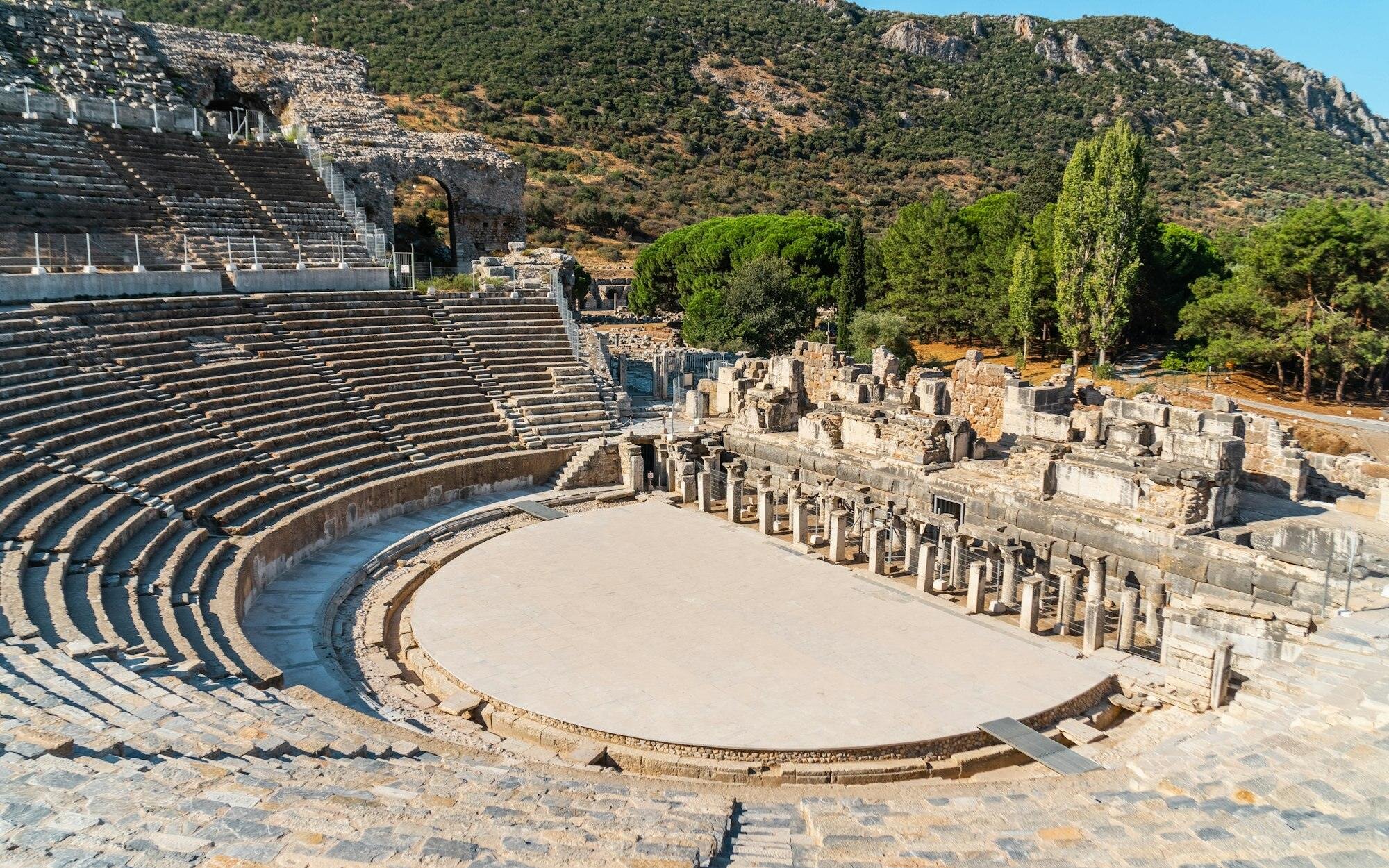
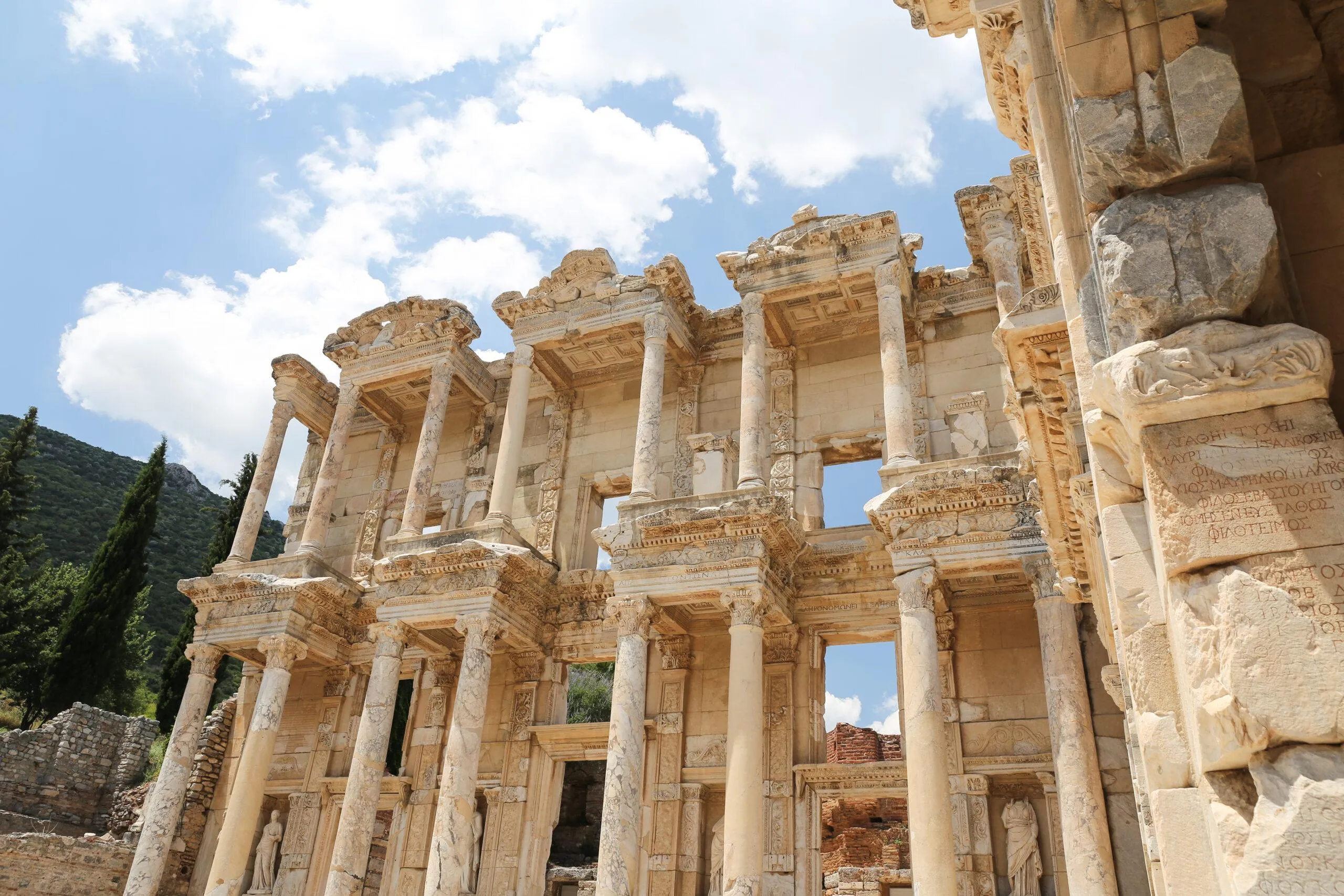
- Low Crime Rate: Petty crime, such as pickpocketing, is rare at Ephesus but can happen in crowded areas. Keep your belongings secure, especially in busy spots like the Library of Celsus and Great Theatre.
- Security Presence: There are usually security personnel on-site to monitor the area and ensure visitor safety. The site is managed by the Turkish Ministry of Culture and Tourism, which implements safety and security protocols.
- Safe Area: The nearby town of Selçuk is also a safe place to explore, with a welcoming atmosphere and friendly locals who are accustomed to hosting tourists.
2. Navigating Uneven Terrain
As an ancient site, Ephesus has uneven pathways, marble floors, and rocky surfaces, which can be challenging to navigate. Take care when walking to avoid slips, trips, and falls, particularly in certain areas.
Tips for Walking Safely
- Wear Comfortable Shoes: Sturdy shoes with good grip are essential. Avoid flip-flops or high heels, as they don’t provide adequate support on uneven stone surfaces.
- Watch Your Step: The pathways are made from ancient stone and can be slippery, especially after rain. Be mindful of where you step, particularly on steep inclines and near the ruins.
- Use Handrails: Certain parts of the site, such as staircases and steep paths, may have handrails. Use these whenever available for additional support.
3. Protecting Yourself from the Sun
Ephesus is an open-air archaeological site with limited shade, which means you’ll be exposed to the sun for most of your visit. During summer, temperatures can rise significantly, making sun protection crucial.
Sun Safety Tips
- Bring Sunscreen: Apply a high-SPF sunscreen before arriving, and reapply as needed, especially if you’re visiting in the middle of the day.
- Wear a Hat and Sunglasses: A wide-brimmed hat and UV-protective sunglasses will help shield you from the sun’s rays and make your visit more comfortable.
- Stay Hydrated: Bring a water bottle to stay hydrated, as there are limited places to buy water within the site itself. Dehydration can be a risk, particularly in hot weather.
4. Dealing with Crowds
Ephesus can get crowded, especially during peak travel seasons (spring and summer) and at popular landmarks like the Library of Celsus. While these crowds are generally friendly and manageable, it’s essential to be aware of your surroundings.
Tips for Managing Crowds
- Visit Early or Late: Arriving early in the morning or late in the afternoon helps you avoid the busiest times of day, allowing for a more peaceful experience.
- Keep Valuables Secure: If you’re carrying valuables, such as a camera, smartphone, or wallet, store them in a secure bag and keep it close to your body, especially in crowded areas.
- Be Patient: If you’re waiting to take photos or view a specific spot, exercise patience and wait for a quieter moment. Crowds often move in waves, so even a brief pause can provide a clear view.
5. Health and First Aid
Ephesus is a large site, and you’ll likely spend a few hours walking, climbing, and standing in the sun. Be prepared to manage minor health needs as you explore.
Health and Safety Tips
- Bring Basic First Aid: A small first aid kit with items like band-aids, antiseptic wipes, and pain relievers can be helpful for minor cuts or discomfort from walking.
- Take Breaks: Listen to your body and take breaks when needed. There are benches and shaded areas throughout the site where you can rest and cool down.
- Know Where to Get Help: If you need assistance, there are security personnel on-site, as well as first aid stations at major entrances. Nearby Selçuk also has pharmacies and medical facilities if needed.
6. Cultural Sensitivity and Respect
While there’s no strict dress code for Ephesus, dressing respectfully is appreciated. This is especially relevant if you plan to visit nearby religious sites, like the House of the Virgin Mary or the Basilica of St. John.
Tips for Cultural Sensitivity
- Modest Attire: Dress modestly by wearing shirts that cover your shoulders and shorts or skirts that are at least mid-thigh length, particularly if you plan to visit religious sites nearby.
- Respect the Ruins: Follow all posted signs and respect barriers and restricted areas to help preserve the site for future visitors.
- Photography Etiquette: While photography is allowed, be mindful of others and avoid climbing on ruins or entering off-limits areas for the perfect shot.
7. Additional Safety Tips for Ephesus
To make the most of your visit and ensure a safe experience, consider these additional tips:
- Stay on Marked Paths: Ephesus has designated paths and walkways. Stick to these areas to avoid damaging the ruins and to prevent accidents.
- Be Prepared for Weather Changes: The weather can change unexpectedly, so consider bringing a lightweight rain jacket or umbrella if rain is in the forecast.
- Stay Informed: Check for any updates on opening hours, potential closures, or specific safety advisories related to Ephesus. The Turkish Ministry of Culture and Tourism website is a reliable source for the latest information.
Conclusion
Ephesus is a safe and rewarding destination for travelers, offering a glimpse into ancient history through its well-preserved ruins. By taking basic safety precautions, such as wearing comfortable shoes, protecting yourself from the sun, and staying aware of your surroundings, you can enjoy a memorable and safe experience in this ancient city. With a bit of preparation, you’ll be ready to explore Ephesus’s timeless beauty and soak in its fascinating history with peace of mind.
Introduction
Discover the fascinating world of Is Ephesus Safe for Tourists? What You Should Know in ancient Ephesus. This comprehensive guide explores the historical significance, archaeological findings, and cultural impact of this remarkable aspect of Ephesian heritage.
Historical Background
The history of Is Ephesus Safe for Tourists? What You Should Know dates back to the early days of Ephesus. Archaeological evidence suggests that this aspect of Ephesian life played a crucial role in shaping the city's development and cultural identity.
Archaeological Discoveries
Recent excavations have unveiled remarkable findings related to Is Ephesus Safe for Tourists? What You Should Know. These discoveries provide valuable insights into how this aspect of Ephesian life evolved over time.
Cultural Significance
Understanding Is Ephesus Safe for Tourists? What You Should Know is crucial for appreciating the broader cultural context of ancient Ephesus. Its influence extended beyond the city walls, impacting trade, religion, and daily life.
Visitor Information
Today, visitors to Ephesus can explore the remnants of Is Ephesus Safe for Tourists? What You Should Know firsthand. This section provides practical information for making the most of your visit.
Preservation and Future
Ongoing conservation efforts ensure that Is Ephesus Safe for Tourists? What You Should Know remains preserved for future generations. Learn about the challenges and successes in maintaining this important historical site.
Frequently Asked Questions
What is the historical significance of Is Ephesus Safe for Tourists? What You Should Know?
The Is Ephesus Safe for Tourists? What You Should Know holds great historical importance in ancient Ephesus, providing valuable insights into the city's cultural and social development.
What can visitors see related to Is Ephesus Safe for Tourists? What You Should Know today?
Visitors to Ephesus can explore well-preserved remains and artifacts related to Is Ephesus Safe for Tourists? What You Should Know, offering a glimpse into the ancient world.
When is the best time to visit Is Ephesus Safe for Tourists? What You Should Know?
The best time to visit is during the spring (April-May) or autumn (September-October) when the weather is mild and crowds are smaller.
Frequently Asked Questions
What is the historical significance of Is Ephesus Safe for Tourists? What You Should Know?
The Is Ephesus Safe for Tourists? What You Should Know holds great historical importance in ancient Ephesus, providing valuable insights into the city's cultural and social development.
What can visitors see related to Is Ephesus Safe for Tourists? What You Should Know today?
Visitors to Ephesus can explore well-preserved remains and artifacts related to Is Ephesus Safe for Tourists? What You Should Know, offering a glimpse into the ancient world.
When is the best time to visit Is Ephesus Safe for Tourists? What You Should Know?
The best time to visit is during the spring (April-May) or autumn (September-October) when the weather is mild and crowds are smaller.
Frequently Asked Questions
What is the historical significance of Is Ephesus Safe for Tourists? What You Should Know?
The Is Ephesus Safe for Tourists? What You Should Know holds great historical importance in ancient Ephesus, providing valuable insights into the city's cultural and social development.
What can visitors see related to Is Ephesus Safe for Tourists? What You Should Know today?
Visitors to Ephesus can explore well-preserved remains and artifacts related to Is Ephesus Safe for Tourists? What You Should Know, offering a glimpse into the ancient world.
When is the best time to visit Is Ephesus Safe for Tourists? What You Should Know?
The best time to visit is during the spring (April-May) or autumn (September-October) when the weather is mild and crowds are smaller.