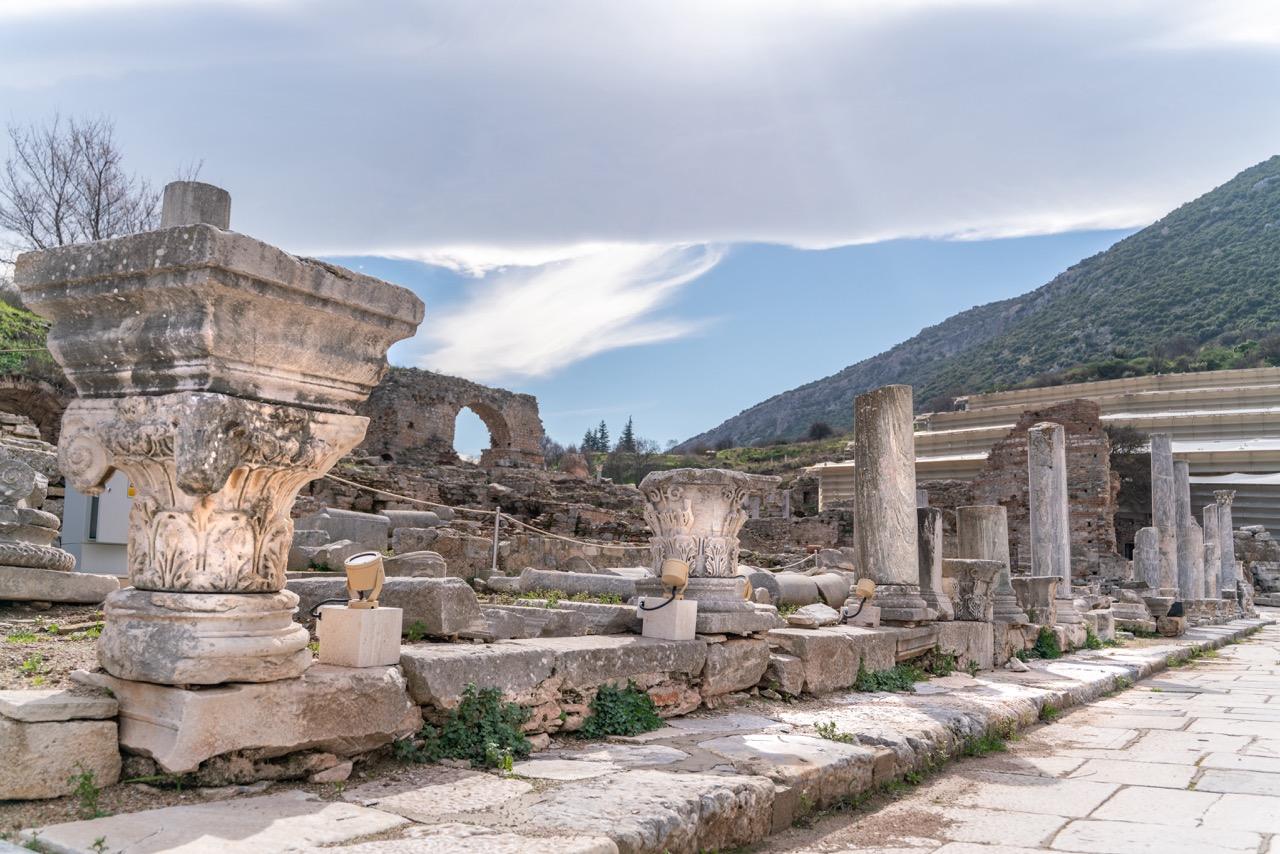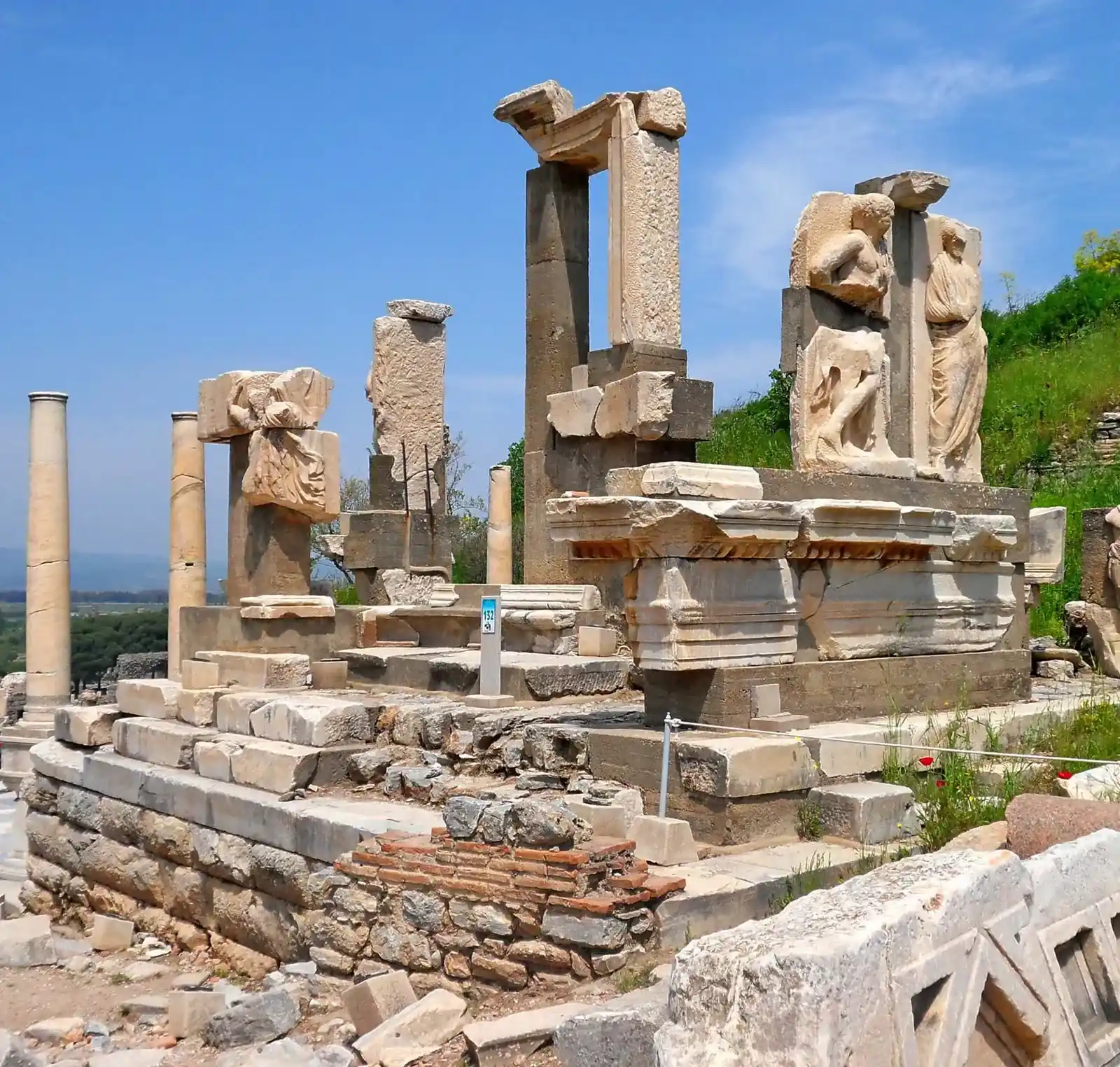


Explore the significance of Ephesus as a center for early Christianity. Discover its key historical events, influential figures, and important sites that shaped the Christian faith. Ephesus, one of the most prominent cities of the ancient world, played a crucial role in the spread of Christianity during its formative years. Renowned for its architectural marvels and cultural significance, Ephesus was not only a thriving trade hub but also a vital center for early Christian teachings and activities. This guide delves into the historical context of Ephesus as a center for early Christians, highlighting key events, influential figures, and important sites.
1. Historical Context
Hellenistic and Roman Influence:
- Ephesus was originally founded by the Ionian Greeks in the 10th century BC and later flourished under Roman rule. The city's strategic location along trade routes made it a melting pot of cultures and ideas, which would influence the spread of Christianity.
Cultural Significance:
- The presence of diverse religious practices and philosophical thought in Ephesus created an environment where early Christians could share their beliefs and engage with different ideologies.
2. Key Events in Early Christianity
The Apostle Paul's Missionary Work:
- Paul the Apostle visited Ephesus on his third missionary journey (around 54-57 AD). He spent approximately three years in the city, establishing a strong Christian community and preaching in the synagogue and public places.
The Ephesian Church:
- The church in Ephesus became one of the most influential early Christian communities. Paul wrote the Epistle to the Ephesians, a letter addressing the beliefs and practices of the Christian community in Ephesus.
Confrontations with Pagan Worship:
- Ephesus was famous for its temple dedicated to the goddess Artemis, one of the Seven Wonders of the Ancient World. Paul’s teachings challenged the worship of Artemis and led to tensions with local craftsmen and religious leaders, notably highlighted in the riot described in the Book of Acts (Acts 19:23-41).
3. Influential Figures
Paul the Apostle:
- As a pivotal figure in early Christianity, Paul’s efforts in Ephesus helped to establish a significant Christian presence. His teachings and writings continue to shape Christian doctrine.
Timothy:
- After Paul's departure, Timothy, one of Paul’s closest companions, became the pastor of the Ephesian church. His leadership contributed to the development of early Christian teachings and practices in the region.
John the Apostle:
- According to tradition, John the Apostle lived in Ephesus after the death of Jesus. He is believed to have written the Gospel of John and the Book of Revelation while residing in the city.
4. Important Christian Sites in Ephesus
The Basilica of St. John:
- Built over the believed burial site of St. John the Apostle, this basilica is a significant pilgrimage site for Christians. The structure reflects the importance of John in early Christianity and the city's spiritual legacy.
The House of the Virgin Mary:
- Located a short distance from Ephesus, this site is traditionally believed to be the last residence of the Virgin Mary. It attracts pilgrims and visitors seeking to connect with her legacy.
The Ancient Theatre:
- The theatre served as a public gathering space for both secular and religious events. It is a symbol of the cultural and religious interactions in Ephesus during the early Christian era.
5. The Role of Ephesus in Early Christian Councils
The Council of Ephesus (431 AD):
- This ecumenical council was convened to address theological disputes regarding the nature of Christ and the role of Mary. The council affirmed the title of "Theotokos" (God-bearer) for Mary, solidifying her status in Christian theology. Ephesus's hosting of this important council underscores its significance as a center for early Christianity.
6. Conclusion
Ephesus stands as a pivotal location in the history of early Christianity, serving as a hub for influential figures, significant events, and theological developments. The city’s rich historical context, coupled with its architectural wonders, provides a fascinating backdrop for understanding the growth and establishment of the Christian faith. As you explore the ruins of Ephesus, take the time to reflect on its profound impact on the early Christian community and its enduring legacy in the world today.