

Public Baths and Social Life in Ephesus: The Varius and Scholastica Baths
The ancient city of Ephesus, located on the western coast of modern-day Turkey, was not only a hub of commerce and religion but also a center for social and cultural life. Public baths, such as the Varius and Scholastica Baths, played a pivotal role in the daily lives of its inhabitants, serving as places of relaxation, interaction, and community engagement. This guide delves into the historical significance, architectural ingenuity, and cultural impact of these iconic communal spaces in Ephesus.
Historical Significance
The Role of Public Baths in Ancient Ephesus
Public baths were integral to Roman urban life, reflecting the importance of hygiene, leisure, and socialization. In Ephesus, these baths symbolized the city’s prosperity and the Roman emphasis on communal well-being. Bathing was more than a personal activity; it was a public affair that facilitated networking, discussions, and relaxation.
Varius Baths
The Varius Baths, constructed in the 2nd century CE, were a symbol of luxury and innovation. Named after their benefactor, these baths showcased intricate mosaics, marble decorations, and advanced engineering techniques. Located near the bustling Marble Road, the Varius Baths were easily accessible to both locals and visitors, making them a popular destination for relaxation and socializing.
Scholastica Baths
The Scholastica Baths, built in the 1st century CE and renovated in the 4th century by a Christian woman named Scholastica, exemplify the city’s transition from pagan traditions to Christianity. These baths were notable for their grandeur, featuring towering columns, frescoed walls, and spacious chambers designed to accommodate large groups. The renovations reflected the evolving cultural and religious values of late antiquity.
Architectural Ingenuity
Layout and Design
Both the Varius and Scholastica Baths followed the traditional Roman bath layout, which consisted of:
-
Frigidarium: The cold room, used for cooling down after a hot bath.
-
Tepidarium: The warm room, where bathers could acclimate before entering the hot room.
-
Caldarium: The hot room, featuring heated floors and walls powered by a hypocaust system.
In addition to these primary rooms, the baths included apodyteria (changing rooms), palaestrae (exercise areas), and luxurious lounges where citizens could relax and socialize.
Advanced Heating Systems
The hypocaust system, a hallmark of Roman engineering, was used to heat the baths. Furnaces generated hot air, which circulated beneath raised floors and through hollow walls, maintaining a consistent temperature throughout the complex. This innovation not only ensured comfort but also highlighted the technological sophistication of the time.
Social and Cultural Impact
Centers of Social Interaction
Public baths were more than places for hygiene; they were vibrant hubs of social activity. Citizens from all walks of life gathered here to discuss politics, conduct business, and exchange ideas. Bathhouses often hosted informal meetings and celebrations, reinforcing their role as essential community centers.
Inclusivity and Accessibility
While the elite enjoyed exclusive amenities, the baths were accessible to the general public for a modest fee, embodying the Roman ideal of communal well-being. Separate areas or designated times for men and women allowed inclusivity while respecting social norms.
Transition to Christianity
The Scholastica Baths reflect the cultural and religious transformation of Ephesus. As Christianity spread, communal bathing practices became more modest, aligning with the moral values of the new religion. Despite these changes, the baths remained central to social life, adapting to the evolving ethos of the city.
Archaeological Discoveries
Excavations of the Varius and Scholastica Baths have revealed fascinating artifacts, including mosaics, statues, and inscriptions. These discoveries offer insights into the architectural and artistic sensibilities of ancient Ephesus. Tools and remnants of the hypocaust system provide a glimpse into the advanced engineering techniques employed by Roman builders.
Visiting the Baths Today
Highlights
-
Varius Baths: Marvel at the intricate mosaics and remnants of the hypocaust system, which demonstrate the ingenuity of Roman engineering.
-
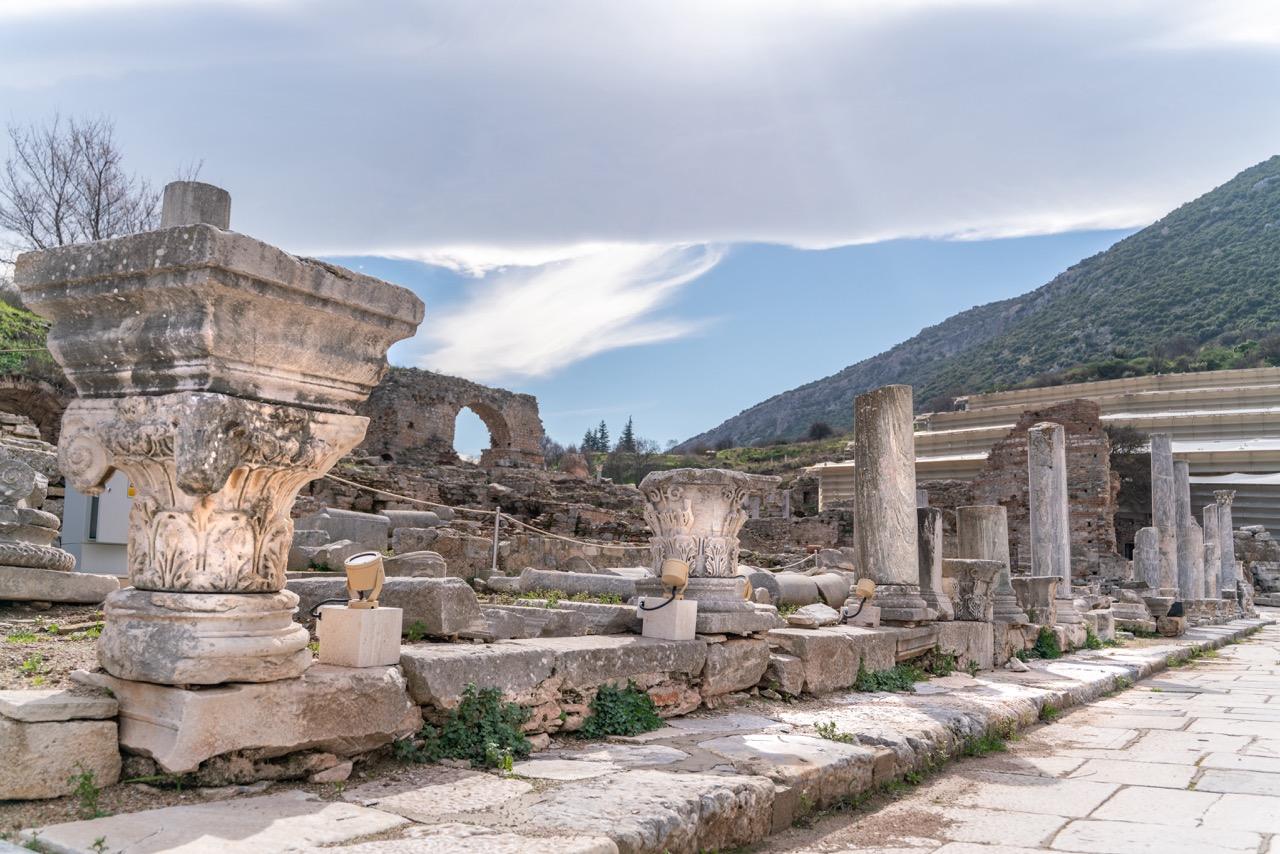
Scholastica Baths: Admire the towering columns, frescoed walls, and spacious chambers that evoke the grandeur of ancient times.
Practical Information
-
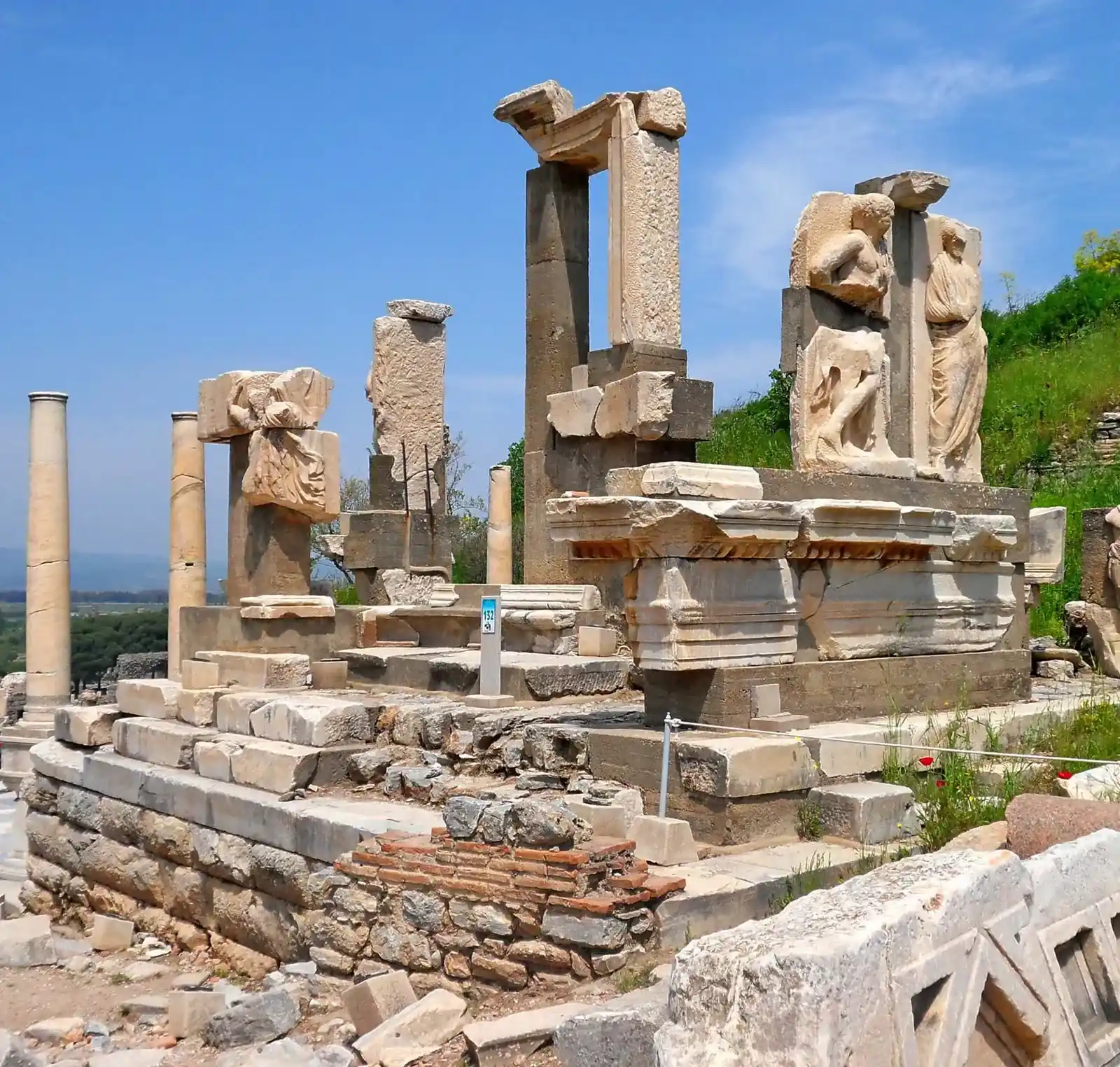
Location: Both baths are located within the archaeological site of Ephesus, making them easy to include in a walking tour.
-
Opening Hours: Open year-round, with extended hours during the summer season.
-
Admission: Access to the baths is included in the general ticket for Ephesus.
Tips for Visitors
-
Guided Tours: Enhance your visit by joining a guided tour to learn about the historical and cultural context of the baths.
-
Photography: Capture the intricate details of mosaics and architectural remnants to document your visit.
-
Nearby Attractions: Combine your visit with other landmarks, such as the Library of Celsus, the Great Theatre, and the Temple of Artemis.
Lessons from the Past
The public baths of Ephesus offer valuable insights into the social and cultural fabric of ancient civilizations. They highlight the importance of communal spaces in fostering connections, promoting well-being, and reflecting societal values. The ingenuity and inclusivity of these baths continue to inspire modern urban planning and public amenities.
Conclusion
The Varius and Scholastica Baths of Ephesus stand as enduring symbols of the city’s vibrant social and cultural life. These architectural marvels reflect the ingenuity, community spirit, and adaptability of ancient civilizations. Visiting these baths today allows us to connect with the past and appreciate the legacy of Ephesus as a hub of innovation, culture, and social interaction. Plan your journey to explore these remarkable sites and immerse yourself in the daily life of ancient Ephesus.