

Top 10 Must-See Attractions in Ephesus
Top 10 Must-See Attractions in Ephesus
Ephesus, a UNESCO World Heritage Site, is one of the most well-preserved ancient cities in the world. Stepping into Ephesus is like traveling back in time to the heart of the Roman Empire. From grand temples to intricate mosaics, this city is a treasure trove of history and culture. In this blog, we'll explore the top 10 must-see attractions in Ephesus that will make your visit unforgettable.
1. The Library of Celsus
The Library of Celsus is perhaps the most iconic structure in Ephesus. Built in 117 AD, this grand library once held over 12,000 scrolls and was the third-largest library in the ancient world. The intricate facade, adorned with statues symbolizing wisdom, knowledge, intelligence, and virtue, is a stunning example of Roman architecture.

2. The Great Theatre
With a seating capacity of 25,000, the Great Theatre of Ephesus is one of the largest and most impressive theatres from antiquity. It was used for various purposes, from dramatic performances to gladiator fights. The acoustics are so well-designed that even today, you can stand on the stage and be heard clearly by someone seated at the top.

3. The Temple of Artemis
Once one of the Seven Wonders of the Ancient World, the Temple of Artemis was a massive structure dedicated to the goddess Artemis. Although only a few columns remain today, the site is rich in history and offers a glimpse into the grandeur of what was once the largest temple in the ancient world.

4. The House of the Virgin Mary
Located just outside Ephesus, the House of the Virgin Mary is believed to be the final resting place of Mary, the mother of Jesus. This small stone house has been a pilgrimage site for Christians for centuries and is a place of peace and reflection.

5. The Terrace Houses
Also known as the "Houses of the Rich," the Terrace Houses of Ephesus offer a fascinating glimpse into the daily lives of the city's wealthiest residents. These well-preserved homes feature beautiful mosaics, frescoes, and intricate floor designs, showcasing the luxurious lifestyle of Ephesus' elite.
6. The Basilica of St. John
The Basilica of St. John, built by Emperor Justinian in the 6th century, is believed to be the burial site of St. John the Apostle. The basilica's ruins, with its six domes and large cross-shaped design, are a significant pilgrimage site and offer a panoramic view of Ephesus and the surrounding area.
7. The Temple of Hadrian
This small but beautifully preserved temple was dedicated to Emperor Hadrian. The facade is adorned with intricate carvings and reliefs depicting the mythological history of Ephesus. It’s one of the best-preserved structures in the city and a testament to the craftsmanship of the ancient builders.
8. The Agora
The Agora, or marketplace, was the heart of public life in Ephesus. This large open area was where citizens gathered for commerce, politics, and socializing. Walking through the Agora, you can almost hear the bustling noise of ancient traders and feel the energy of this once-vibrant hub.
9. The Baths of Scholastica
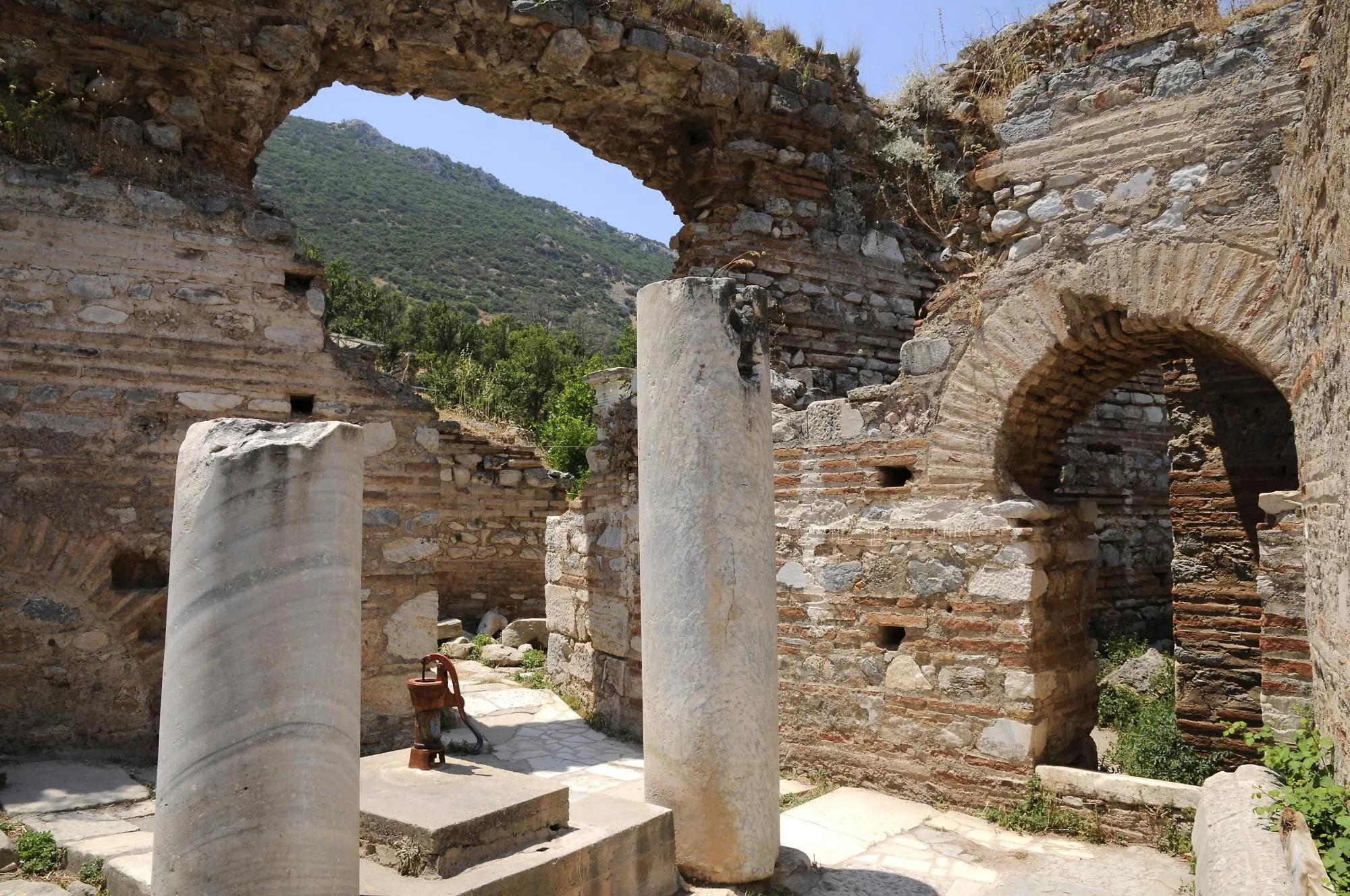
The Baths of Scholastica were public baths that played a significant role in the social life of Ephesus. These baths, named after a wealthy Ephesian woman, Scholastica, who renovated them, are a fine example of Roman engineering and luxury. You can still see the remains of the hot, warm, and cold rooms.
10. The Gate of Augustus
Also known as the Hercules Gate, this impressive gate marked the entrance to the Curetes Street, one of the main streets of Ephesus. The gate is decorated with reliefs of Hercules, and passing through it feels like stepping directly into the ancient city's lively past.
Conclusion
Ephesus is more than just a collection of ruins; it’s a living museum that tells the story of an ancient civilization at its peak. Whether you’re a history buff, a spiritual seeker, or just someone looking to explore a fascinating destination, Ephesus offers something for everyone. Don't miss out on these top attractions during your visit!
Introduction
Discover the fascinating world of Top 10 Must-See Attractions in Ephesus in ancient Ephesus. This comprehensive guide explores the historical significance, archaeological findings, and cultural impact of this remarkable aspect of Ephesian heritage.
Historical Background
The history of Top 10 Must-See Attractions in Ephesus dates back to the early days of Ephesus. Archaeological evidence suggests that this aspect of Ephesian life played a crucial role in shaping the city's development and cultural identity.
Archaeological Discoveries
Recent excavations have unveiled remarkable findings related to Top 10 Must-See Attractions in Ephesus. These discoveries provide valuable insights into how this aspect of Ephesian life evolved over time.
Cultural Significance
Understanding Top 10 Must-See Attractions in Ephesus is crucial for appreciating the broader cultural context of ancient Ephesus. Its influence extended beyond the city walls, impacting trade, religion, and daily life.
Visitor Information
Today, visitors to Ephesus can explore the remnants of Top 10 Must-See Attractions in Ephesus firsthand. This section provides practical information for making the most of your visit.
Preservation and Future
Ongoing conservation efforts ensure that Top 10 Must-See Attractions in Ephesus remains preserved for future generations. Learn about the challenges and successes in maintaining this important historical site.
Frequently Asked Questions
What is the historical significance of Top 10 Must-See Attractions in Ephesus?
The Top 10 Must-See Attractions in Ephesus holds great historical importance in ancient Ephesus, providing valuable insights into the city's cultural and social development.
What can visitors see related to Top 10 Must-See Attractions in Ephesus today?
Visitors to Ephesus can explore well-preserved remains and artifacts related to Top 10 Must-See Attractions in Ephesus, offering a glimpse into the ancient world.
When is the best time to visit Top 10 Must-See Attractions in Ephesus?
The best time to visit is during the spring (April-May) or autumn (September-October) when the weather is mild and crowds are smaller.
Frequently Asked Questions
What is the historical significance of Top 10 Must-See Attractions in Ephesus?
The Top 10 Must-See Attractions in Ephesus holds great historical importance in ancient Ephesus, providing valuable insights into the city's cultural and social development.
What can visitors see related to Top 10 Must-See Attractions in Ephesus today?
Visitors to Ephesus can explore well-preserved remains and artifacts related to Top 10 Must-See Attractions in Ephesus, offering a glimpse into the ancient world.
When is the best time to visit Top 10 Must-See Attractions in Ephesus?
The best time to visit is during the spring (April-May) or autumn (September-October) when the weather is mild and crowds are smaller.
Frequently Asked Questions
What is the historical significance of Top 10 Must-See Attractions in Ephesus?
The Top 10 Must-See Attractions in Ephesus holds great historical importance in ancient Ephesus, providing valuable insights into the city's cultural and social development.
What can visitors see related to Top 10 Must-See Attractions in Ephesus today?
Visitors to Ephesus can explore well-preserved remains and artifacts related to Top 10 Must-See Attractions in Ephesus, offering a glimpse into the ancient world.
When is the best time to visit Top 10 Must-See Attractions in Ephesus?
The best time to visit is during the spring (April-May) or autumn (September-October) when the weather is mild and crowds are smaller.