

The Council of Ephesus: Key Decisions and Impact on Chris...
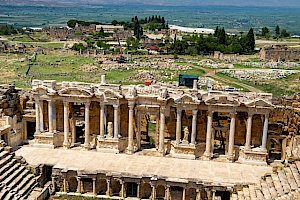
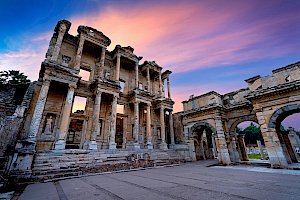
Explore the pivotal Council of Ephesus, its key decisions, and the lasting impact it had on the development of Christian doctrine and church unity. The Council of Ephesus, convened in 431 CE, was a crucial event in the history of early Christianity. This council, the third ecumenical council, addressed theological disputes that had significant implications for Christian doctrine, especially concerning the nature of Jesus Christ and the role of the Virgin Mary. Held in the ancient city of Ephesus—now an archaeological site near Selçuk, Turkey—the council brought together bishops from across the Christian world. Their decisions influenced the development of Christian teachings and shaped the future of the Church. In this article, we’ll explore the key decisions made at the Council of Ephesus and its lasting impact on Christianity.
Background: The Need for the Council of Ephesus
The Council of Ephesus was convened primarily to address a theological dispute between Nestorius, the Patriarch of Constantinople, and Cyril, the Patriarch of Alexandria. The core issue centered on the nature of Christ and the title of Theotokos, meaning "God-bearer" or "Mother of God," ascribed to the Virgin Mary. Nestorius argued that Mary should be referred to as Christotokos (“Christ-bearer”) rather than Theotokos. He maintained that Mary was the mother of Jesus the man but not the mother of God, suggesting a separation between Jesus’ divine and human natures. Cyril, however, argued that Jesus’ divine and human natures were inseparable and that Mary could indeed be called the Mother of God. This theological debate created tension and division within the Church, prompting Emperor Theodosius II to call for a council to resolve the matter.
Key Decisions of the Council of Ephesus
The Council of Ephesus resulted in several significant decisions that solidified key aspects of Christian doctrine:
1. Affirmation of Mary as Theotokos
The central decision of the council was to affirm that Mary could indeed be called Theotokos, or “Mother of God.” By upholding this title, the council emphasized the unity of Jesus Christ’s divine and human natures. According to the council, Jesus was fully God and fully man from the moment of his conception, making Mary the mother of the incarnate Word of God. This decision had far-reaching implications for Christian theology. By affirming Mary’s title as Theotokos, the council reinforced the belief in the hypostatic union—the doctrine that Jesus Christ has both a fully divine and a fully human nature in one person.
2. Condemnation of Nestorianism
The council condemned the teachings of Nestorius, declaring them heretical. Nestorianism, which emphasized a separation between Jesus’ divine and human natures, was seen as undermining the unity of Christ. The council’s condemnation of Nestorianism led to the removal of Nestorius as Patriarch of Constantinople and affirmed that Jesus is one person with two inseparable natures. This decision was intended to preserve the unity of the Church’s teaching on the nature of Christ. By rejecting Nestorianism, the council sought to prevent divisions within the Church and to ensure a cohesive understanding of Jesus’ identity.
3. Ratification of the Nicene Creed
The Council of Ephesus ratified the Nicene Creed, which had been established at the First Council of Nicaea in 325 CE. This reaffirmation of the Nicene Creed underscored the Church’s commitment to the foundational doctrines of Christianity, particularly regarding the nature of God, Christ, and the Holy Spirit. By upholding the Nicene Creed, the council reinforced the orthodox teachings of the Church and rejected any modifications or additions that could lead to doctrinal deviations. The council’s decision helped to standardize Christian belief and contributed to a unified Christian identity.
The Impact of the Council of Ephesus on Christianity
The decisions made at the Council of Ephesus had profound and lasting effects on the development of Christian doctrine and the structure of the Church:
1. Strengthening of Marian Doctrine
The affirmation of Mary as Theotokos had a lasting impact on Christian devotion and theology. This decision elevated Mary’s role within the Church, leading to greater emphasis on Marian devotion and the development of prayers, hymns, and doctrines that honored her as the Mother of God. This council marked a significant milestone in the Church’s understanding of Mary’s role in salvation history, which continues to influence Christian worship to this day.
2. Reinforcement of Christological Doctrine
By rejecting Nestorianism, the council clarified the Church’s teaching on the nature of Jesus Christ. The doctrine of the hypostatic union—Jesus as fully divine and fully human in one person—became a cornerstone of Christian theology. This understanding of Christ as one unified person helped to shape subsequent Christological debates and was further developed at later councils, including the Council of Chalcedon in 451 CE. The Council of Ephesus contributed to a more cohesive and unified understanding of Christ, which remains central to Christian belief. This decision also paved the way for theological developments that would define orthodox Christianity for centuries.
3. Division and Schism
While the council aimed to promote unity within the Church, its decisions ultimately led to divisions. Some Christian communities, particularly those in the East, rejected the council’s condemnation of Nestorianism and the decision regarding Theotokos. This led to the formation of the Nestorian Church (also known as the Church of the East), which maintained beliefs that differed from the teachings of the mainstream Christian Church. The Council of Ephesus marked the beginning of a series of schisms within Christianity, as theological disagreements and regional differences contributed to the fragmentation of the Church. Despite these divisions, the council’s decisions continue to shape the core beliefs of most Christian denominations.
Legacy of the Council of Ephesus
The Council of Ephesus remains a pivotal event in Christian history. Its decisions helped to solidify key doctrines regarding Mary and the nature of Christ, shaping the theological framework of the Church for centuries to come. The council’s affirmation of Mary as Theotokos is still celebrated in many Christian traditions, especially within the Catholic and Orthodox Churches, where Marian devotion holds a central place. The council also set a precedent for addressing theological disputes through ecumenical councils, a practice that continued throughout the history of the Church. By establishing a process for resolving doctrinal disagreements, the Council of Ephesus helped to foster a sense of unity and continuity within Christianity, even amid ongoing debates and challenges. Today, the legacy of the Council of Ephesus can be seen in Christian teachings, liturgical practices, and theological discussions. The council’s decisions resonate through the doctrines upheld by various denominations, reflecting the enduring influence of this ancient assembly on the faith and beliefs of Christians around the world.
Conclusion
The Council of Ephesus was a landmark moment in the development of Christian doctrine, affirming the role of Mary as Theotokos and reinforcing the Church’s understanding of Jesus Christ as fully divine and fully human. While its decisions led to some division, the council’s legacy has had a lasting impact on Christian theology, shaping the beliefs and practices of the Church for nearly two millennia. Ephesus, as the site of this significant council, remains a symbol of the Church’s ongoing quest to understand and articulate the mysteries of the Christian faith.
Introduction
Discover the fascinating world of The Council of Ephesus: Key Decisions and Impact on Chris... in ancient Ephesus. This comprehensive guide explores the historical significance, archaeological findings, and cultural impact of this remarkable aspect of Ephesian heritage.
Historical Background
The history of The Council of Ephesus: Key Decisions and Impact on Chris... dates back to the early days of Ephesus. Archaeological evidence suggests that this aspect of Ephesian life played a crucial role in shaping the city's development and cultural identity.
Archaeological Discoveries
Recent excavations have unveiled remarkable findings related to The Council of Ephesus: Key Decisions and Impact on Chris.... These discoveries provide valuable insights into how this aspect of Ephesian life evolved over time.
Cultural Significance
Understanding The Council of Ephesus: Key Decisions and Impact on Chris... is crucial for appreciating the broader cultural context of ancient Ephesus. Its influence extended beyond the city walls, impacting trade, religion, and daily life.
Visitor Information
Today, visitors to Ephesus can explore the remnants of The Council of Ephesus: Key Decisions and Impact on Chris... firsthand. This section provides practical information for making the most of your visit.
Preservation and Future
Ongoing conservation efforts ensure that The Council of Ephesus: Key Decisions and Impact on Chris... remains preserved for future generations. Learn about the challenges and successes in maintaining this important historical site.
Frequently Asked Questions
What is the historical significance of The Council of Ephesus: Key Decisions and Impact on Chris...?
The The Council of Ephesus: Key Decisions and Impact on Chris... holds great historical importance in ancient Ephesus, providing valuable insights into the city's cultural and social development.
What can visitors see related to The Council of Ephesus: Key Decisions and Impact on Chris... today?
Visitors to Ephesus can explore well-preserved remains and artifacts related to The Council of Ephesus: Key Decisions and Impact on Chris..., offering a glimpse into the ancient world.
When is the best time to visit The Council of Ephesus: Key Decisions and Impact on Chris...?
The best time to visit is during the spring (April-May) or autumn (September-October) when the weather is mild and crowds are smaller.
Frequently Asked Questions
What is the historical significance of The Council of Ephesus: Key Decisions and Impact on Chris...?
The The Council of Ephesus: Key Decisions and Impact on Chris... holds great historical importance in ancient Ephesus, providing valuable insights into the city's cultural and social development.
What can visitors see related to The Council of Ephesus: Key Decisions and Impact on Chris... today?
Visitors to Ephesus can explore well-preserved remains and artifacts related to The Council of Ephesus: Key Decisions and Impact on Chris..., offering a glimpse into the ancient world.
When is the best time to visit The Council of Ephesus: Key Decisions and Impact on Chris...?
The best time to visit is during the spring (April-May) or autumn (September-October) when the weather is mild and crowds are smaller.
Frequently Asked Questions
What is the historical significance of The Council of Ephesus: Key Decisions and Impact on Chris...?
The The Council of Ephesus: Key Decisions and Impact on Chris... holds great historical importance in ancient Ephesus, providing valuable insights into the city's cultural and social development.
What can visitors see related to The Council of Ephesus: Key Decisions and Impact on Chris... today?
Visitors to Ephesus can explore well-preserved remains and artifacts related to The Council of Ephesus: Key Decisions and Impact on Chris..., offering a glimpse into the ancient world.
When is the best time to visit The Council of Ephesus: Key Decisions and Impact on Chris...?
The best time to visit is during the spring (April-May) or autumn (September-October) when the weather is mild and crowds are smaller.