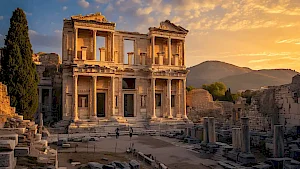

Discover the Great Theatre of Ephesus: An Ancient Hub of ...
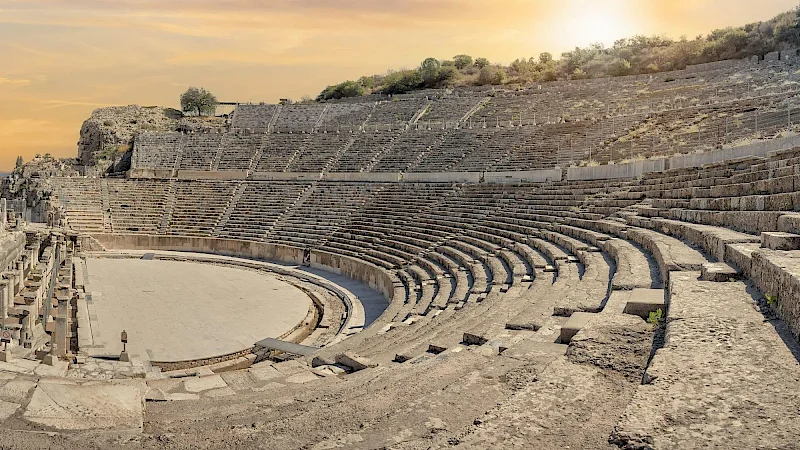
The Great Theatre of Ephesus is one of the most iconic structures of the ancient world, a place where citizens gathered for entertainment, civic meetings, and religious events. Carved into the slope of Mount Pion, the theatre could seat nearly 24,000 spectators, making it one of the largest theatres of its time. This grand venue is not only an architectural marvel but also a window into the cultural and social life of ancient Ephesus. In this post, we’ll explore the history, significance, and legacy of the Great Theatre as a hub of drama and public life.
1. A Masterpiece of Ancient Engineering
The Great Theatre was originally built during the Hellenistic period and later expanded by the Romans. Its semi-circular design, with tiered seating and a grand stage area, allowed for optimal acoustics. This design ensured that even spectators seated at the highest levels could hear the performances below. The theatre’s architecture reflects the ingenuity of ancient engineers who created a space where thousands could gather and experience the magic of the theatre. Highlights of the Architecture:
- Tiered Seating: Three main sections provided seating for different social classes, reflecting the hierarchical nature of Ephesian society.
- The Skene (Stage Building): This area featured elaborate columns and statues, adding depth to the performances.
2. The Theatre’s Role in Ephesian Society
The Great Theatre was more than just a place for performances; it was a vital part of civic life. Public meetings, political assemblies, and religious gatherings were all held here. The theatre was a venue where citizens could come together to hear important announcements, participate in decision-making, and celebrate the city’s festivals. It was also used during the annual festival of Artemis, where processions and performances honored the city’s patron goddess. Cultural Significance:
- Religious Festivals: Events such as the Artemisia festival included performances and rituals dedicated to Artemis.
- Civic Meetings: The theatre hosted gatherings where citizens discussed and debated issues affecting the city.
3. A Center for Drama and Entertainment
The Great Theatre hosted a variety of performances, from Greek tragedies and Roman comedies to musical concerts and gladiatorial contests. Actors donned elaborate costumes and masks, using the theatre’s acoustics and visual elements to captivate the audience. The performances often featured stories of gods, heroes, and moral dilemmas, reflecting the values and beliefs of the time. Gladiatorial games, though not common in Greek culture, became popular in Roman Ephesus, adding an element of excitement and danger to the theatre’s repertoire. Types of Performances:
- Greek Tragedies and Roman Comedies: Dramas that depicted myths, legends, and everyday life, engaging the audience in tales of human experience.
- Gladiatorial Games: Thrilling contests that showcased the bravery and skill of gladiators, drawing large crowds.
4. A Legacy That Endures
Today, the Great Theatre stands as one of the best-preserved structures in Ephesus, drawing visitors from around the world. Its monumental size, impressive acoustics, and historical significance make it a highlight of any visit to the ancient city. Modern-day concerts and performances are occasionally held in the theatre, connecting the past with the present and allowing visitors to experience the space as the Ephesians once did. The Great Theatre is a testament to Ephesus’ rich cultural heritage and its enduring legacy as a center of art, entertainment, and civic life. Conclusion The Great Theatre of Ephesus is more than an ancient ruin; it is a symbol of the city’s vibrant history and the people who made it a center for drama, debate, and celebration. Walking through its tiers and standing on the stage, one can imagine the voices of actors, the cheers of spectators, and the lively atmosphere that once filled this grand space. The theatre continues to inspire awe, reminding us of the timeless appeal of communal gathering and the power of performance.
For more on the Great Theatre and the ancient city of Ephesus, visit the Wikipedia page on Ephesus
Introduction
Discover the fascinating world of Discover the Great Theatre of Ephesus: An Ancient Hub of ... in ancient Ephesus. This comprehensive guide explores the historical significance, archaeological findings, and cultural impact of this remarkable aspect of Ephesian heritage.
Historical Background
The history of Discover the Great Theatre of Ephesus: An Ancient Hub of ... dates back to the early days of Ephesus. Archaeological evidence suggests that this aspect of Ephesian life played a crucial role in shaping the city's development and cultural identity.
Archaeological Discoveries
Recent excavations have unveiled remarkable findings related to Discover the Great Theatre of Ephesus: An Ancient Hub of .... These discoveries provide valuable insights into how this aspect of Ephesian life evolved over time.
Visitor Information
Today, visitors to Ephesus can explore the remnants of Discover the Great Theatre of Ephesus: An Ancient Hub of ... firsthand. This section provides practical information for making the most of your visit.
Preservation and Future
Ongoing conservation efforts ensure that Discover the Great Theatre of Ephesus: An Ancient Hub of ... remains preserved for future generations. Learn about the challenges and successes in maintaining this important historical site.
Frequently Asked Questions
What is the historical significance of Discover the Great Theatre of Ephesus: An Ancient Hub of ...?
The Discover the Great Theatre of Ephesus: An Ancient Hub of ... holds great historical importance in ancient Ephesus, providing valuable insights into the city's cultural and social development.
What can visitors see related to Discover the Great Theatre of Ephesus: An Ancient Hub of ... today?
Visitors to Ephesus can explore well-preserved remains and artifacts related to Discover the Great Theatre of Ephesus: An Ancient Hub of ..., offering a glimpse into the ancient world.
When is the best time to visit Discover the Great Theatre of Ephesus: An Ancient Hub of ...?
The best time to visit is during the spring (April-May) or autumn (September-October) when the weather is mild and crowds are smaller.
Frequently Asked Questions
What is the historical significance of Discover the Great Theatre of Ephesus: An Ancient Hub of ...?
The Discover the Great Theatre of Ephesus: An Ancient Hub of ... holds great historical importance in ancient Ephesus, providing valuable insights into the city's cultural and social development.
What can visitors see related to Discover the Great Theatre of Ephesus: An Ancient Hub of ... today?
Visitors to Ephesus can explore well-preserved remains and artifacts related to Discover the Great Theatre of Ephesus: An Ancient Hub of ..., offering a glimpse into the ancient world.
When is the best time to visit Discover the Great Theatre of Ephesus: An Ancient Hub of ...?
The best time to visit is during the spring (April-May) or autumn (September-October) when the weather is mild and crowds are smaller.
Frequently Asked Questions
What is the historical significance of Discover the Great Theatre of Ephesus: An Ancient Hub of ...?
The Discover the Great Theatre of Ephesus: An Ancient Hub of ... holds great historical importance in ancient Ephesus, providing valuable insights into the city's cultural and social development.
What can visitors see related to Discover the Great Theatre of Ephesus: An Ancient Hub of ... today?
Visitors to Ephesus can explore well-preserved remains and artifacts related to Discover the Great Theatre of Ephesus: An Ancient Hub of ..., offering a glimpse into the ancient world.
When is the best time to visit Discover the Great Theatre of Ephesus: An Ancient Hub of ...?
The best time to visit is during the spring (April-May) or autumn (September-October) when the weather is mild and crowds are smaller.