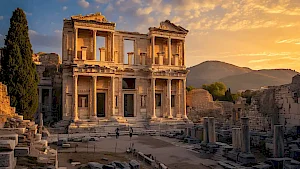


Ephesus as a Cultural Melting Pot: The Intersection of Ea...
The Strategic Importance of Ephesus: A Gateway Between Continents
Ephesus was strategically located at the crossroads of Europe and Asia, making it one of the most significant cities of the ancient world. Its position on the western coast of Asia Minor (modern-day Turkey) provided easy access to the Aegean Sea, connecting it to the Mediterranean and beyond. This prime location allowed Ephesus to become a major hub for trade, culture, and political power, serving as a bridge between the civilizations of the East and the West.
The city’s harbor, fed by the Cayster River, was one of the best in the region, attracting merchants from as far away as Egypt, Greece, and Rome. The wealth generated by this trade contributed to the city’s growth and prosperity, allowing it to build monumental structures like the Temple of Artemis and the grand theater. Ephesus became a cosmopolitan city where diverse cultures, ideas, and religions converged, creating a unique and dynamic environment.

The Fusion of Cultures: Greek, Roman, and Anatolian Influences
The cultural landscape of Ephesus was shaped by the fusion of Greek, Roman, and Anatolian influences. Originally a Greek colony, Ephesus retained much of its Hellenistic character even as it came under Roman control. The city’s architecture, art, and religion reflected this blend of cultures, creating a distinctive identity that set Ephesus apart from other cities in the region.
Greek influence was evident in the city’s public buildings, temples, and statues, many of which were modeled after those found in Athens and other Greek cities. The Roman presence, which began in the 1st century BCE, brought new architectural styles, infrastructure projects, and public amenities, such as aqueducts, baths, and theaters. Meanwhile, the indigenous Anatolian culture continued to thrive, particularly in the religious practices and local traditions that persisted alongside the dominant Greco-Roman culture.

Religious Diversity in Ephesus: A Tapestry of Beliefs
Ephesus was home to a diverse population with a wide range of religious beliefs. The worship of Artemis, rooted in both Greek and Anatolian traditions, was the dominant religion, but the city also hosted temples and shrines dedicated to various other deities from across the ancient world. The presence of these different religious practices made Ephesus a true melting pot of spiritual traditions.
The city was also an early center of Christianity. The apostle Paul spent several years in Ephesus, preaching and converting many of its inhabitants. The city is mentioned in the New Testament as one of the seven churches of Asia, and it became an important site for early Christian communities. Over time, Christianity grew in influence, eventually leading to the decline of pagan worship and the transformation of Ephesus into a major center of the Christian faith.

Ephesus as a Center of Learning and Philosophy
Ephesus was not only a commercial and religious hub but also a center of learning and intellectual activity. The city attracted philosophers, scholars, and artists from across the Mediterranean, who came to study and teach in its schools and libraries. The most famous of these was the philosopher Heraclitus, who was born in Ephesus and is best known for his doctrine of change, encapsulated in the saying, "You cannot step into the same river twice."
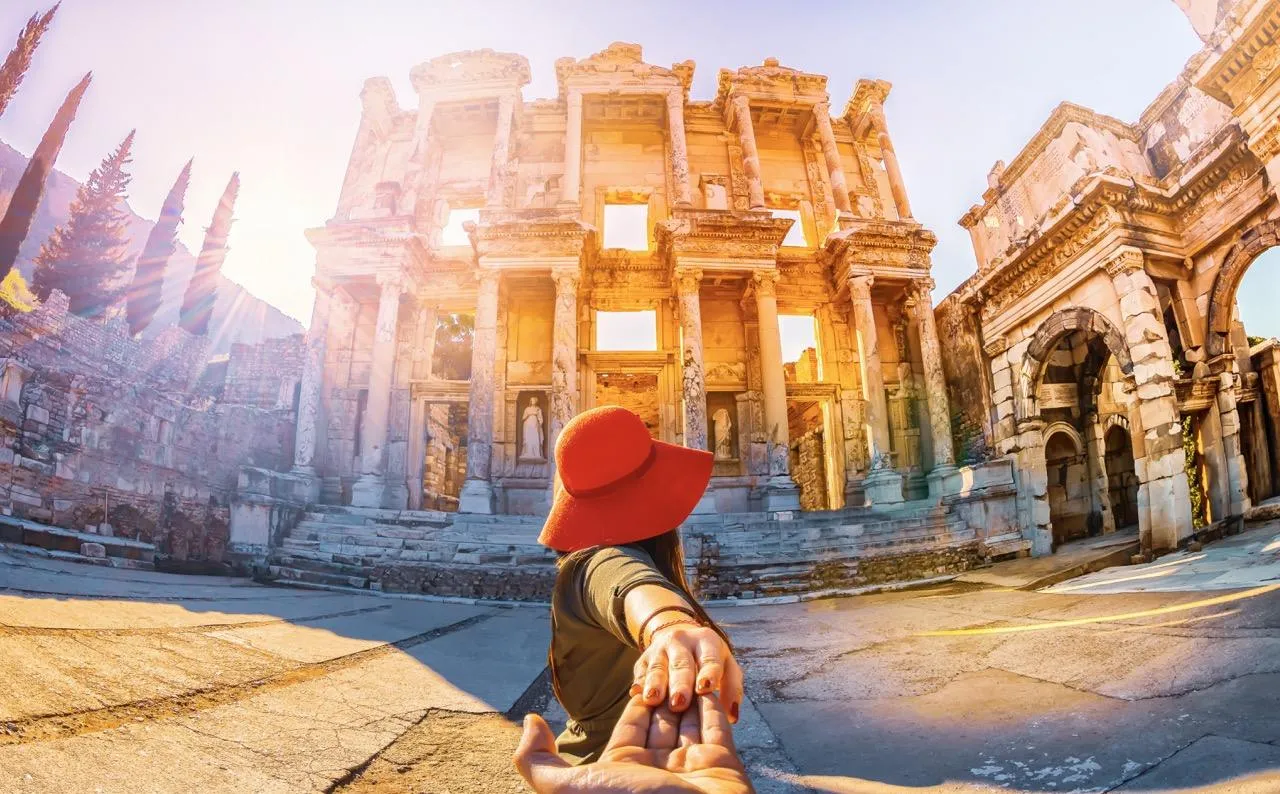
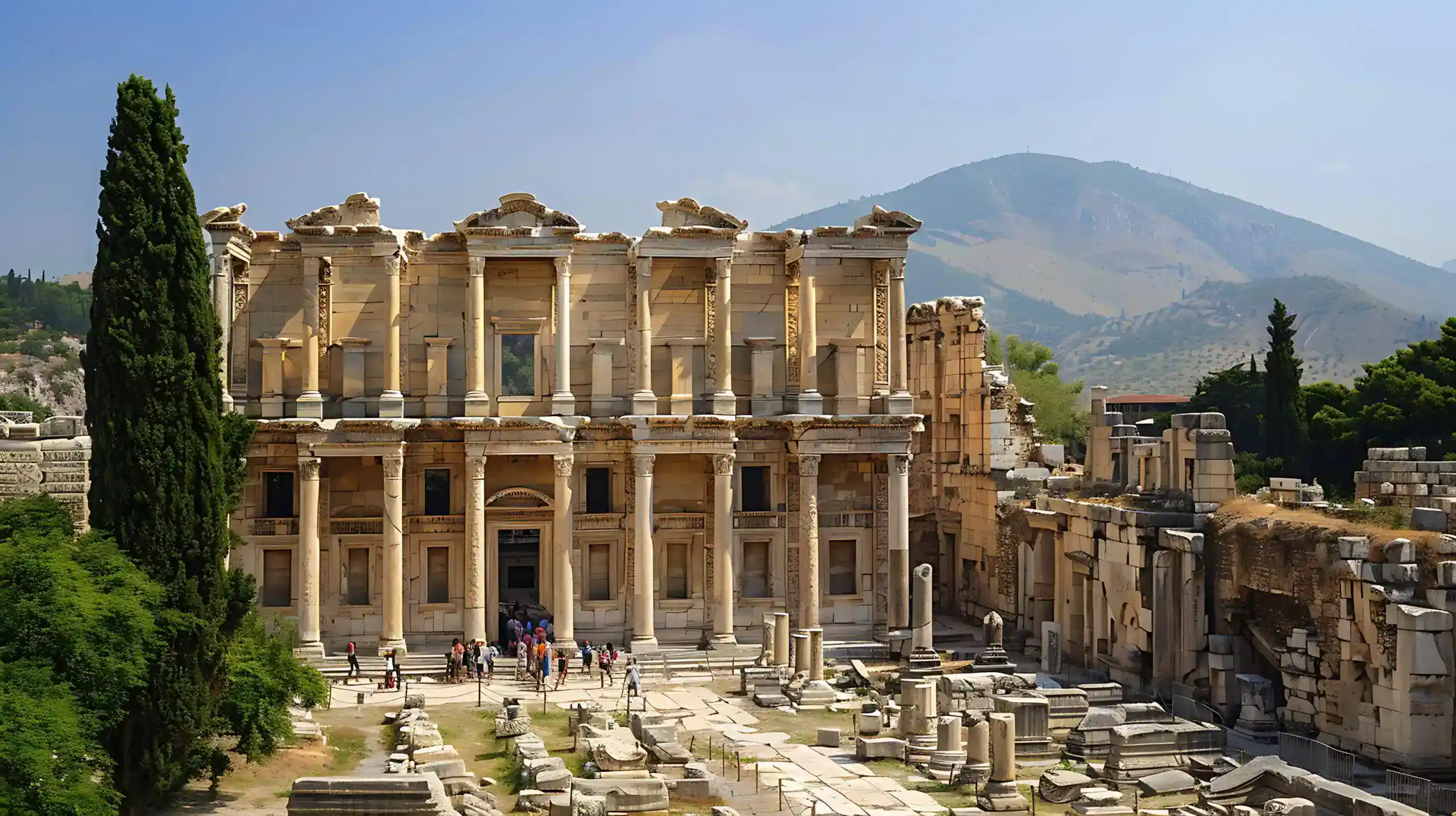
The presence of such intellectual figures contributed to the city’s reputation as a place of learning and culture. Ephesus was home to numerous schools of philosophy, where ideas about the nature of the universe, the gods, and human existence were debated and developed. The city’s libraries, including the renowned Library of Celsus, housed thousands of scrolls and manuscripts, making Ephesus a key center of knowledge in the ancient world.

The Legacy of Ephesus: A Cultural Crossroads
The legacy of Ephesus as a cultural crossroads between East and West is still evident in the ruins that remain today. The city’s rich history of cultural fusion, religious diversity, and intellectual achievement continues to captivate historians, archaeologists, and visitors from around the world. Ephesus stands as a testament to the power of cultural exchange and the enduring impact of a city that, at its height, was one of the most important and vibrant centers of the ancient world.
The blend of Greek, Roman, and Anatolian influences that characterized Ephesus has left a lasting mark on the city’s identity. From the grand architecture of the Temple of Artemis to the philosophical teachings of Heraclitus, the city’s contributions to art, religion, and thought have resonated through the centuries. Today, Ephesus remains a symbol of the interconnectedness of cultures and the shared heritage of humanity.

This section explores the unique cultural and intellectual environment of Ephesus, highlighting its role as a bridge between Eastern and Western civilizations. The prompts provided can be used to create visual representations that bring each aspect of this narrative to life. If you need more information or further assistance, feel free to ask!
Introduction
Discover the fascinating world of Ephesus as a Cultural Melting Pot: The Intersection of Ea... in ancient Ephesus. This comprehensive guide explores the historical significance, archaeological findings, and cultural impact of this remarkable aspect of Ephesian heritage.
Historical Background
The history of Ephesus as a Cultural Melting Pot: The Intersection of Ea... dates back to the early days of Ephesus. Archaeological evidence suggests that this aspect of Ephesian life played a crucial role in shaping the city's development and cultural identity.
Archaeological Discoveries
Recent excavations have unveiled remarkable findings related to Ephesus as a Cultural Melting Pot: The Intersection of Ea.... These discoveries provide valuable insights into how this aspect of Ephesian life evolved over time.
Cultural Significance
Understanding Ephesus as a Cultural Melting Pot: The Intersection of Ea... is crucial for appreciating the broader cultural context of ancient Ephesus. Its influence extended beyond the city walls, impacting trade, religion, and daily life.
Visitor Information
Today, visitors to Ephesus can explore the remnants of Ephesus as a Cultural Melting Pot: The Intersection of Ea... firsthand. This section provides practical information for making the most of your visit.
Preservation and Future
Ongoing conservation efforts ensure that Ephesus as a Cultural Melting Pot: The Intersection of Ea... remains preserved for future generations. Learn about the challenges and successes in maintaining this important historical site.
Frequently Asked Questions
What is the historical significance of Ephesus as a Cultural Melting Pot: The Intersection of Ea...?
The Ephesus as a Cultural Melting Pot: The Intersection of Ea... holds great historical importance in ancient Ephesus, providing valuable insights into the city's cultural and social development.
What can visitors see related to Ephesus as a Cultural Melting Pot: The Intersection of Ea... today?
Visitors to Ephesus can explore well-preserved remains and artifacts related to Ephesus as a Cultural Melting Pot: The Intersection of Ea..., offering a glimpse into the ancient world.
When is the best time to visit Ephesus as a Cultural Melting Pot: The Intersection of Ea...?
The best time to visit is during the spring (April-May) or autumn (September-October) when the weather is mild and crowds are smaller.
Frequently Asked Questions
What is the historical significance of Ephesus as a Cultural Melting Pot: The Intersection of Ea...?
The Ephesus as a Cultural Melting Pot: The Intersection of Ea... holds great historical importance in ancient Ephesus, providing valuable insights into the city's cultural and social development.
What can visitors see related to Ephesus as a Cultural Melting Pot: The Intersection of Ea... today?
Visitors to Ephesus can explore well-preserved remains and artifacts related to Ephesus as a Cultural Melting Pot: The Intersection of Ea..., offering a glimpse into the ancient world.
When is the best time to visit Ephesus as a Cultural Melting Pot: The Intersection of Ea...?
The best time to visit is during the spring (April-May) or autumn (September-October) when the weather is mild and crowds are smaller.
Frequently Asked Questions
What is the historical significance of Ephesus as a Cultural Melting Pot: The Intersection of Ea...?
The Ephesus as a Cultural Melting Pot: The Intersection of Ea... holds great historical importance in ancient Ephesus, providing valuable insights into the city's cultural and social development.
What can visitors see related to Ephesus as a Cultural Melting Pot: The Intersection of Ea... today?
Visitors to Ephesus can explore well-preserved remains and artifacts related to Ephesus as a Cultural Melting Pot: The Intersection of Ea..., offering a glimpse into the ancient world.
When is the best time to visit Ephesus as a Cultural Melting Pot: The Intersection of Ea...?
The best time to visit is during the spring (April-May) or autumn (September-October) when the weather is mild and crowds are smaller.