
Exploring the Sacred and Secular Spaces of Ephesus
Ephesus, a city that thrived for centuries, was home to both sacred and secular spaces that reflected its religious devotion and bustling public life. These spaces illustrate the city's cultural depth, showcasing a society that balanced worship, commerce, and entertainment.
The Temple of Artemis: The Sacred Heart of Ephesus
The Temple of Artemis was one of the Seven Wonders of the Ancient World, drawing pilgrims from across the Mediterranean. Dedicated to the goddess Artemis, it was rebuilt multiple times and represented the spiritual core of Ephesus. Archaeological excavations have revealed remnants of its monumental columns and intricate carvings, bearing testimony to the temple's grandeur and the city's religious significance. The Temple of Artemis was not only a place of worship but also a central hub for commerce and culture. Markets and festivals were held in its vicinity, bringing together people from diverse backgrounds. This sacred space symbolized the city's connection to its patron goddess and provided a backdrop for important cultural events, including the annual Procession of Artemis, which celebrated the goddess's influence over the region.
The Great Theatre: A Place for Performance and Assembly
Another significant space in Ephesus was the Great Theatre, which seated up to 25,000 spectators. Initially built during the Hellenistic period, it was later expanded by the Romans. This massive structure served not only as an entertainment venue but also as a meeting place for political gatherings. It hosted dramatic performances, gladiatorial contests, and public assemblies, reflecting Ephesus's role as a social and political hub. The theatre's architectural design highlights Roman influence, with tiers of seating that provided an unobstructed view of the stage. Its prominent location along the Harbour Street linked it to the heart of the city's commercial activities, demonstrating the integration of sacred and secular spaces within the urban layout
The Sacred Way and Curetes Street: Pathways of Ritual and Commerce
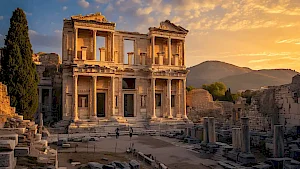
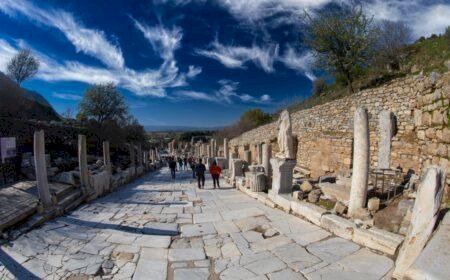
The Sacred Way connected the Temple of Artemis to other parts of the city, serving as a ceremonial path for religious processions. Alongside it ran Curetes Street, a major thoroughfare lined with statues, fountains, and shops. This street was a focal point for daily life, bustling with merchants, locals, and visitors. The Heracles Gate, located at one end of the street, marked the transition between the sacred and secular parts of the city. Curetes Street also featured several smaller temples, shrines, and public buildings, illustrating how Ephesus blended religious devotion with commercial activities. The street’s mosaics, inscriptions, and sculptures reflect the artistic and cultural achievements of its inhabitants, while the presence of shops and taverns highlights the city’s role as a center of commerce.
Secular Spaces: The Agora and Public Baths
The State Agora and the Commercial Agora were essential parts of the city's secular spaces, where trade, administration, and civic life thrived. The State Agora hosted government buildings and meeting places for city officials, while the Commercial Agora served as a bustling marketplace for merchants and artisans. These agoras symbolized the city’s economic power and its integration into regional and international trade networks. Ephesus was also renowned for its public bath complexes, such as the Scholastikia Baths. These baths offered citizens a place to relax, socialize, and conduct business. They were elaborately designed with marble floors, mosaics, and hypocaust heating systems, reflecting the importance of communal bathing in Roman culture.
The Basilica of St. John: A Shift to Christianity
In the Byzantine era, Ephesus became a major center for Christianity, and the Basilica of St. John on Ayasuluk Hill emerged as a significant sacred space. Built by Emperor Justinian, it was believed to be the burial site of St. John the Apostle. This church became a place of pilgrimage and solidified Ephesus's role in the Christian world. The basilica’s architecture, with its domes and mosaics, represented the city’s transition from a polytheistic society to a Christian center.
Legacy of Ephesus’s Sacred and Secular Spaces
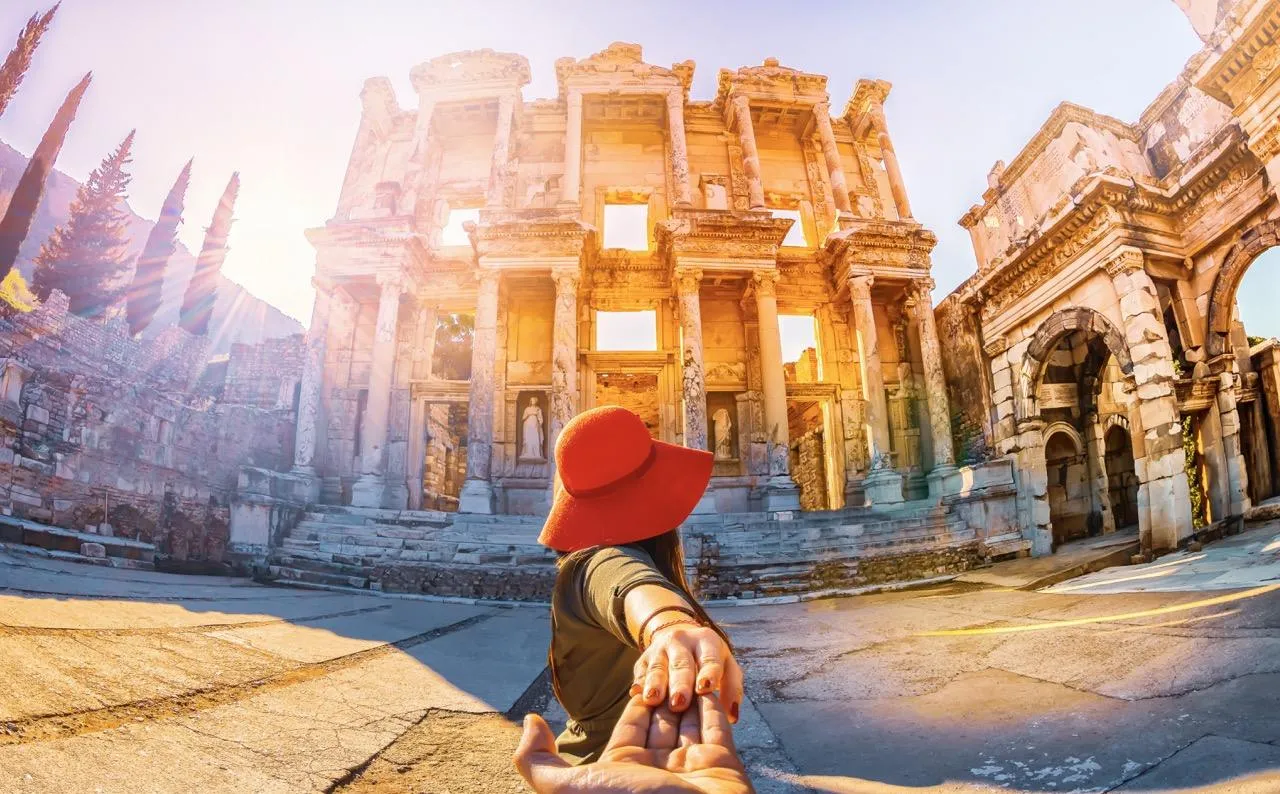
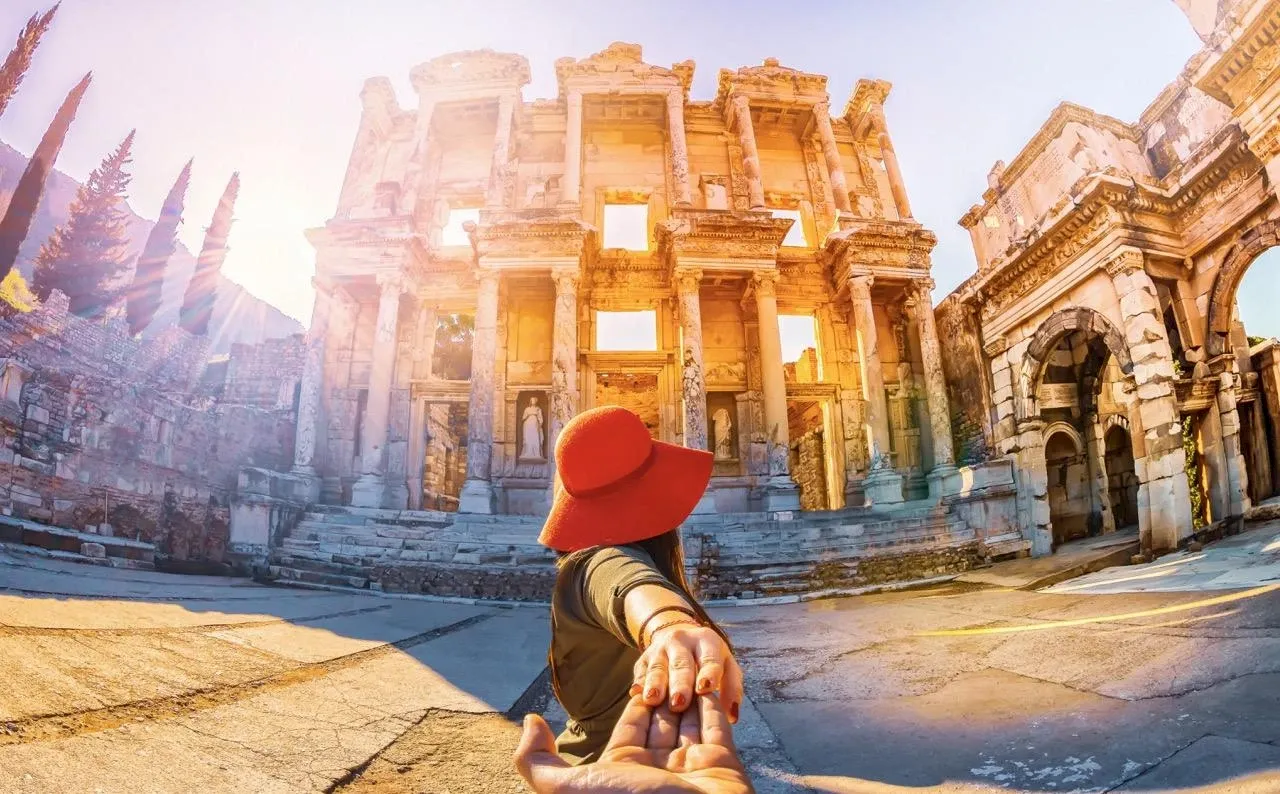
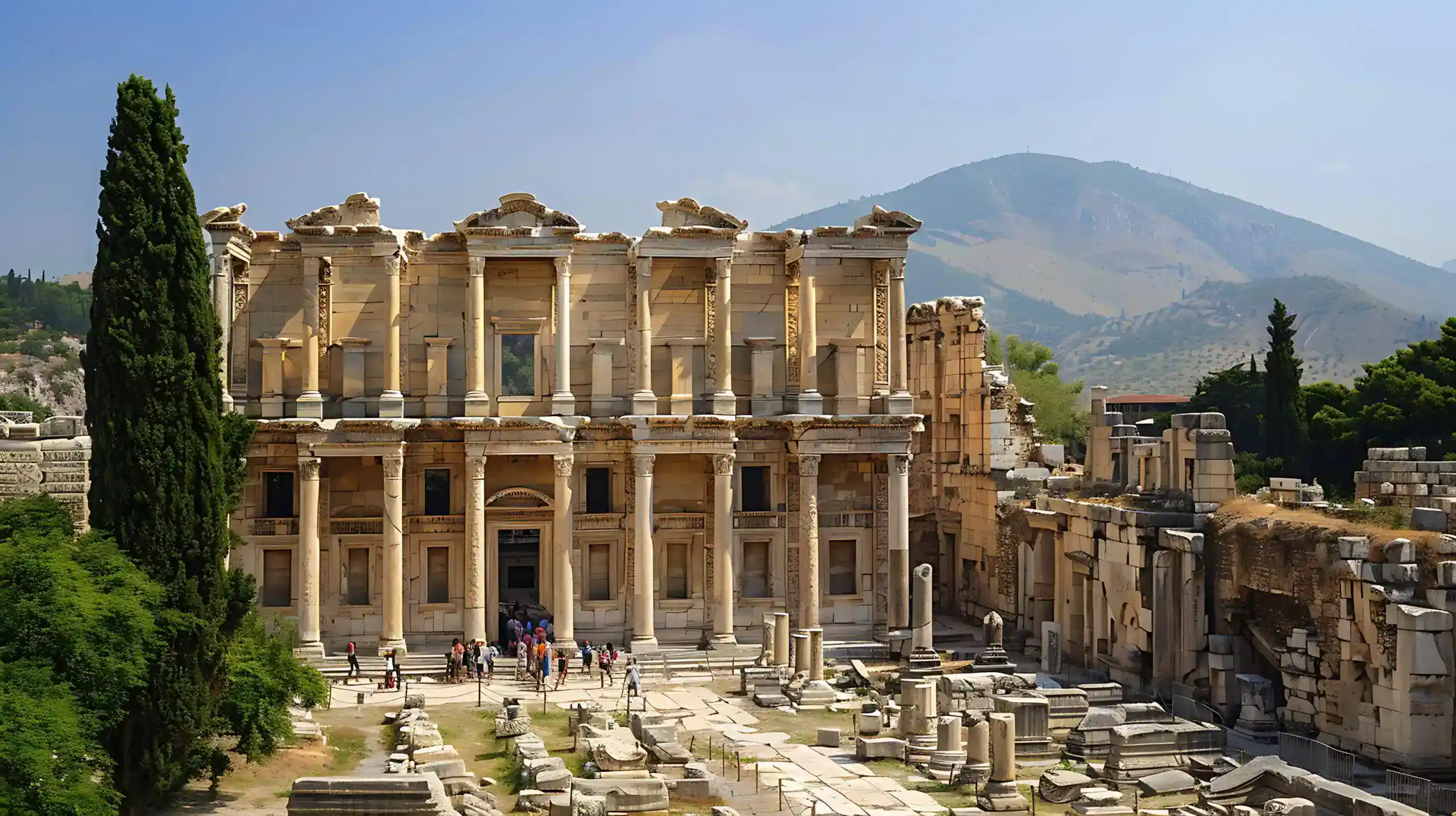
The ruins of Ephesus provide a glimpse into a society that harmonized religious devotion with a thriving public life. The Temple of Artemis and the Basilica of St. John symbolize the city's religious transformation, while the agoras and theatres reflect its economic and social vibrancy. These sacred and secular spaces reveal Ephesus as a microcosm of ancient life, where worship, commerce, and culture coexisted. For additional information on the sacred and secular spaces of Ephesus, you can visit the Wikipedia page on Ephesus.
Introduction
Discover the fascinating world of Exploring the Sacred and Secular Spaces of Ephesus in ancient Ephesus. This comprehensive guide explores the historical significance, archaeological findings, and cultural impact of this remarkable aspect of Ephesian heritage.
Historical Background
The history of Exploring the Sacred and Secular Spaces of Ephesus dates back to the early days of Ephesus. Archaeological evidence suggests that this aspect of Ephesian life played a crucial role in shaping the city's development and cultural identity.
Archaeological Discoveries
Recent excavations have unveiled remarkable findings related to Exploring the Sacred and Secular Spaces of Ephesus. These discoveries provide valuable insights into how this aspect of Ephesian life evolved over time.
Cultural Significance
Understanding Exploring the Sacred and Secular Spaces of Ephesus is crucial for appreciating the broader cultural context of ancient Ephesus. Its influence extended beyond the city walls, impacting trade, religion, and daily life.
Visitor Information
Today, visitors to Ephesus can explore the remnants of Exploring the Sacred and Secular Spaces of Ephesus firsthand. This section provides practical information for making the most of your visit.
Preservation and Future
Ongoing conservation efforts ensure that Exploring the Sacred and Secular Spaces of Ephesus remains preserved for future generations. Learn about the challenges and successes in maintaining this important historical site.
Frequently Asked Questions
What is the historical significance of Exploring the Sacred and Secular Spaces of Ephesus?
The Exploring the Sacred and Secular Spaces of Ephesus holds great historical importance in ancient Ephesus, providing valuable insights into the city's cultural and social development.
What can visitors see related to Exploring the Sacred and Secular Spaces of Ephesus today?
Visitors to Ephesus can explore well-preserved remains and artifacts related to Exploring the Sacred and Secular Spaces of Ephesus, offering a glimpse into the ancient world.
When is the best time to visit Exploring the Sacred and Secular Spaces of Ephesus?
The best time to visit is during the spring (April-May) or autumn (September-October) when the weather is mild and crowds are smaller.
Frequently Asked Questions
What is the historical significance of Exploring the Sacred and Secular Spaces of Ephesus?
The Exploring the Sacred and Secular Spaces of Ephesus holds great historical importance in ancient Ephesus, providing valuable insights into the city's cultural and social development.
What can visitors see related to Exploring the Sacred and Secular Spaces of Ephesus today?
Visitors to Ephesus can explore well-preserved remains and artifacts related to Exploring the Sacred and Secular Spaces of Ephesus, offering a glimpse into the ancient world.
When is the best time to visit Exploring the Sacred and Secular Spaces of Ephesus?
The best time to visit is during the spring (April-May) or autumn (September-October) when the weather is mild and crowds are smaller.
Frequently Asked Questions
What is the historical significance of Exploring the Sacred and Secular Spaces of Ephesus?
The Exploring the Sacred and Secular Spaces of Ephesus holds great historical importance in ancient Ephesus, providing valuable insights into the city's cultural and social development.
What can visitors see related to Exploring the Sacred and Secular Spaces of Ephesus today?
Visitors to Ephesus can explore well-preserved remains and artifacts related to Exploring the Sacred and Secular Spaces of Ephesus, offering a glimpse into the ancient world.
When is the best time to visit Exploring the Sacred and Secular Spaces of Ephesus?
The best time to visit is during the spring (April-May) or autumn (September-October) when the weather is mild and crowds are smaller.