

The Mystical Temple of Diana: Ephesus' Ancient Heart
The Temple of Artemis, known to the Romans as the Temple of Diana, was the spiritual heart of ancient Ephesus. As one of the Seven Wonders of the Ancient World, this grand temple was dedicated to Artemis, the goddess of fertility, nature, and the hunt. In the Roman period, she was also identified with Diana, merging Greek and Roman traditions. The temple drew worshippers from across the Mediterranean, serving as a center of devotion and a symbol of Ephesus’s cultural and religious identity. Today, the ruins of the Temple of Artemis remind visitors of the city’s sacred past and its role as a beacon of faith in the ancient world.
Origins of the Temple and its Divine Patroness
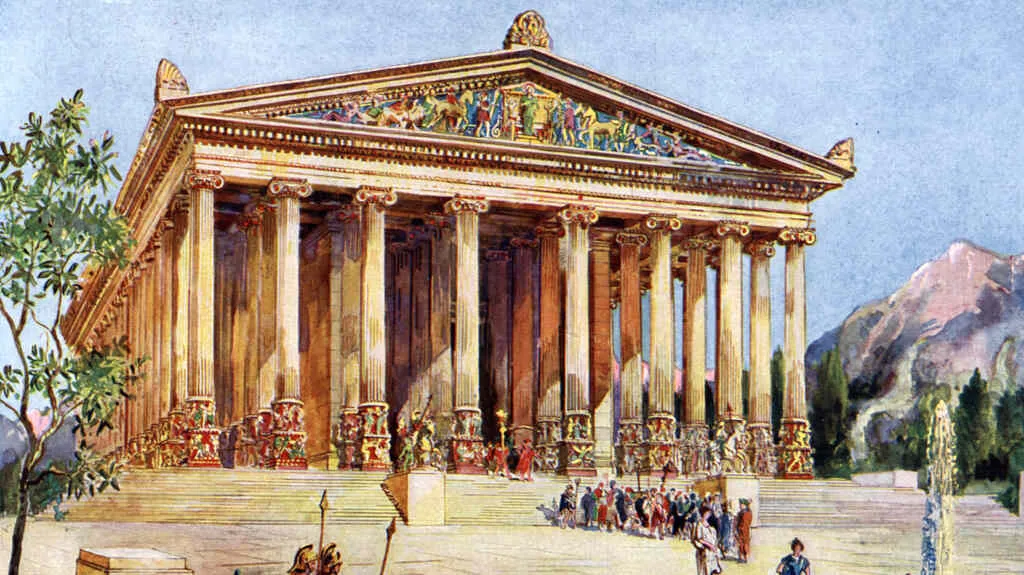
According to legend, the Temple of Artemis was established on a site chosen by the goddess herself. The temple’s original structure may date back as far as the 8th century BC, but it was rebuilt multiple times over the centuries. The most renowned version was commissioned by the Lydian king Croesus around 550 BC, featuring more than 120 columns and standing as a monumental symbol of wealth and devotion. Artemis, revered in Ephesus as a nurturing and powerful deity, was depicted with multiple breasts, symbolizing fertility and abundance. Her cult emphasized her connection to nature, protection, and renewal. As the “Mother of Ephesus,” Artemis was not only worshipped as a huntress but also as a guardian of the city and its people, embodying qualities that made her central to Ephesian life and identity.
Architectural Splendor and Sacred Rituals
The Temple of Artemis was renowned for its size and beauty, adorned with sculpted friezes and intricately carved columns that showcased the artistry of the ancient world. Standing at over 60 feet tall, the temple was a beacon of faith and an architectural marvel, attracting pilgrims who came to worship and offer sacrifices to the goddess. The temple’s grand scale and elegant design reflected the devotion of the Ephesians and their desire to honor Artemis with a structure worthy of her divinity. The temple was not only a place of worship but also a venue for elaborate festivals and rituals. The annual festival of Artemis drew visitors from near and far, featuring processions, music, and sacrifices that honored the goddess’s role as a protector of life. These celebrations reinforced the temple’s importance as a center of religious life, where citizens gathered to express gratitude and seek blessings from the goddess.
The Mystical Power of Artemis
In Ephesus, Artemis was believed to possess mystical powers that could protect the city and its people. The Ephesians regarded her as a divine guardian, capable of ensuring fertility, health, and prosperity. Myths surrounding the goddess highlighted her strength and compassion, and the temple itself was imbued with a sense of sacred energy. Pilgrims sought her favor for blessings on crops, safe childbirth, and protection from misfortune, making the Temple of Artemis a focal point of spiritual devotion. The temple’s association with Artemis also linked Ephesus to the natural world, as the goddess was closely connected to the cycles of nature. Her image, often depicted with animals and surrounded by symbols of fertility, emphasized her role as a life-giver and nurturer, further endearing her to the people of Ephesus.
Destruction and Legacy
The Temple of Artemis faced several destructions throughout its history, most notably when it was burned down by Herostratus in 356 BC in an attempt to achieve fame. Despite being rebuilt, the temple eventually fell to decline as Christianity spread throughout the region. By the 4th century AD, the temple was largely abandoned, and its stones were repurposed for other buildings. Though little remains of the temple today, its legacy endures as one of the ancient world’s most revered religious sites. The Temple of Artemis remains a symbol of Ephesus’s cultural and spiritual heritage, reflecting the city’s devotion and its place in the religious landscape of antiquity. For more on the Temple of Artemis, visit the Wikipedia page on the Temple of Artemis. To explore the ruins of Ephesus and learn more about its sacred history, consider Ephesus Tours, where you can experience the city’s ancient wonders firsthand.
Introduction
Discover the fascinating world of The Mystical Temple of Diana: Ephesus' Ancient Heart in ancient Ephesus. This comprehensive guide explores the historical significance, archaeological findings, and cultural impact of this remarkable aspect of Ephesian heritage.
Historical Background
The history of The Mystical Temple of Diana: Ephesus' Ancient Heart dates back to the early days of Ephesus. Archaeological evidence suggests that this aspect of Ephesian life played a crucial role in shaping the city's development and cultural identity.
Archaeological Discoveries
Recent excavations have unveiled remarkable findings related to The Mystical Temple of Diana: Ephesus' Ancient Heart. These discoveries provide valuable insights into how this aspect of Ephesian life evolved over time.
Cultural Significance
Understanding The Mystical Temple of Diana: Ephesus' Ancient Heart is crucial for appreciating the broader cultural context of ancient Ephesus. Its influence extended beyond the city walls, impacting trade, religion, and daily life.
Visitor Information
Today, visitors to Ephesus can explore the remnants of The Mystical Temple of Diana: Ephesus' Ancient Heart firsthand. This section provides practical information for making the most of your visit.
Preservation and Future
Ongoing conservation efforts ensure that The Mystical Temple of Diana: Ephesus' Ancient Heart remains preserved for future generations. Learn about the challenges and successes in maintaining this important historical site.
Frequently Asked Questions
What is the historical significance of The Mystical Temple of Diana: Ephesus' Ancient Heart?
The The Mystical Temple of Diana: Ephesus' Ancient Heart holds great historical importance in ancient Ephesus, providing valuable insights into the city's cultural and social development.
What can visitors see related to The Mystical Temple of Diana: Ephesus' Ancient Heart today?
Visitors to Ephesus can explore well-preserved remains and artifacts related to The Mystical Temple of Diana: Ephesus' Ancient Heart, offering a glimpse into the ancient world.
When is the best time to visit The Mystical Temple of Diana: Ephesus' Ancient Heart?
The best time to visit is during the spring (April-May) or autumn (September-October) when the weather is mild and crowds are smaller.
Frequently Asked Questions
What is the historical significance of The Mystical Temple of Diana: Ephesus' Ancient Heart?
The The Mystical Temple of Diana: Ephesus' Ancient Heart holds great historical importance in ancient Ephesus, providing valuable insights into the city's cultural and social development.
What can visitors see related to The Mystical Temple of Diana: Ephesus' Ancient Heart today?
Visitors to Ephesus can explore well-preserved remains and artifacts related to The Mystical Temple of Diana: Ephesus' Ancient Heart, offering a glimpse into the ancient world.
When is the best time to visit The Mystical Temple of Diana: Ephesus' Ancient Heart?
The best time to visit is during the spring (April-May) or autumn (September-October) when the weather is mild and crowds are smaller.
Frequently Asked Questions
What is the historical significance of The Mystical Temple of Diana: Ephesus' Ancient Heart?
The The Mystical Temple of Diana: Ephesus' Ancient Heart holds great historical importance in ancient Ephesus, providing valuable insights into the city's cultural and social development.
What can visitors see related to The Mystical Temple of Diana: Ephesus' Ancient Heart today?
Visitors to Ephesus can explore well-preserved remains and artifacts related to The Mystical Temple of Diana: Ephesus' Ancient Heart, offering a glimpse into the ancient world.
When is the best time to visit The Mystical Temple of Diana: Ephesus' Ancient Heart?
The best time to visit is during the spring (April-May) or autumn (September-October) when the weather is mild and crowds are smaller.