

Tracing the Footsteps of Ancient Travelers in Ephesus and Beyond
Ephesus, with its grand architecture and strategic location on the Aegean coast, has been a magnet for travelers for thousands of years. In ancient times, it was a bustling port city that welcomed traders, pilgrims, philosophers, and adventurers from across the known world. Today, visitors can follow in the footsteps of these ancient travelers, exploring not only Ephesus but also the surrounding sites that reveal the rich cultural tapestry of the region. Journeying through these historic landmarks offers a chance to connect with the experiences and stories of those who came before.
Ephesus: A Crossroads of Cultures
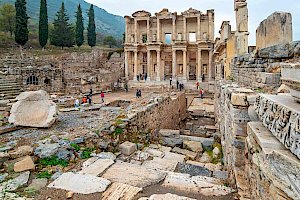
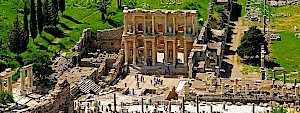
Ancient travelers to Ephesus would have encountered a vibrant city that blended Greek, Roman, and local Anatolian influences. The city was home to the magnificent Temple of Artemis, one of the Seven Wonders of the Ancient World, which drew pilgrims from far and wide. The marble streets of Ephesus were lined with shops, theaters, and public baths, offering visitors a taste of cosmopolitan life. The Library of Celsus, built to honor the Roman senator Tiberius Julius Celsus, would have been a highlight for scholars and intellectuals. Housing thousands of scrolls, the library stood as a symbol of the city’s dedication to knowledge and learning. For those following in the footsteps of ancient travelers, exploring these ruins provides a glimpse into a world where faith, commerce, and culture intersected.
Priene and Miletus: Centers of Knowledge and Worship
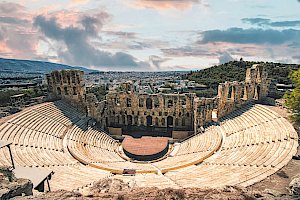
Traveling south from Ephesus, visitors would arrive at Priene, an ancient Greek city known for its impressive Temple of Athena. Set on a hillside, Priene offered stunning views of the Meander River valley and was admired for its urban layout. Ancient travelers might have visited the temple to pay homage to Athena, seeking guidance and protection from the goddess. A short distance further, the city of Miletus was famous for its philosophers, including Thales, one of the earliest figures in Greek thought. Miletus’s theater, with its grand seating, provided a venue for public gatherings, performances, and debates. This city served as a gateway to the wider world, connecting travelers with cultures from across the Mediterranean. Today, visitors can walk through the ruins of Miletus, imagining the lively discussions and bustling trade that once filled its streets.
Didyma: Seeking Prophecy at the Temple of Apollo
Many ancient travelers journeyed to Didyma to consult the oracle at the Temple of Apollo. This temple was one of the most important religious centers in the ancient world, attracting those who sought answers and guidance from the gods. The massive columns and intricate carvings of the temple remain awe-inspiring, evoking the sense of mystery and reverence that ancient visitors would have felt. The oracle at Didyma offered predictions that influenced the lives of individuals and the decisions of rulers. Following the path of these ancient seekers, modern visitors can explore the ruins of Didyma and connect with the spiritual heritage of this sacred place.
The Monastic Heritage of Lake Bafa
As they continued their journey, ancient travelers might have stopped at Lake Bafa, a peaceful oasis surrounded by mountains. This area became a center for Christian hermits and monks in the Byzantine period, and the lake is dotted with monasteries, rock carvings, and ancient tombs. The serene landscape provided a retreat for those seeking solitude and spiritual reflection, contrasting with the bustling cities nearby. Today, Lake Bafa offers a similar sense of tranquility for those looking to escape the busy tourist sites. Visitors can hike along its shores, explore ancient ruins, and experience the natural beauty that has attracted travelers for centuries.
Following the Ancient Routes of Anatolia
Traveling through the ancient sites around Ephesus allows modern visitors to trace the paths taken by those who journeyed through Anatolia in search of knowledge, faith, and new opportunities. Each city and sanctuary holds a unique story, reflecting the diverse cultures and histories that have shaped this land. By exploring these sites, travelers can connect with the experiences of ancient visitors, feeling the timeless allure of Turkey’s historic landscape. To learn more about Ephesus and the surrounding historic sites, visit the Wikipedia page on Ephesus. For a guided tour of these ancient routes, consider Ephesus Tours, where you can immerse yourself in the stories and legacies of those who walked these paths before you.
Introduction
Discover the fascinating world of Tracing the Footsteps of Ancient Travelers in Ephesus and... in ancient Ephesus. This comprehensive guide explores the historical significance, archaeological findings, and cultural impact of this remarkable aspect of Ephesian heritage.
Historical Background
The history of Tracing the Footsteps of Ancient Travelers in Ephesus and... dates back to the early days of Ephesus. Archaeological evidence suggests that this aspect of Ephesian life played a crucial role in shaping the city's development and cultural identity.
Archaeological Discoveries
Recent excavations have unveiled remarkable findings related to Tracing the Footsteps of Ancient Travelers in Ephesus and.... These discoveries provide valuable insights into how this aspect of Ephesian life evolved over time.
Cultural Significance
Understanding Tracing the Footsteps of Ancient Travelers in Ephesus and... is crucial for appreciating the broader cultural context of ancient Ephesus. Its influence extended beyond the city walls, impacting trade, religion, and daily life.
Visitor Information
Today, visitors to Ephesus can explore the remnants of Tracing the Footsteps of Ancient Travelers in Ephesus and... firsthand. This section provides practical information for making the most of your visit.
Preservation and Future
Ongoing conservation efforts ensure that Tracing the Footsteps of Ancient Travelers in Ephesus and... remains preserved for future generations. Learn about the challenges and successes in maintaining this important historical site.
Frequently Asked Questions
What is the historical significance of Tracing the Footsteps of Ancient Travelers in Ephesus and...?
The Tracing the Footsteps of Ancient Travelers in Ephesus and... holds great historical importance in ancient Ephesus, providing valuable insights into the city's cultural and social development.
What can visitors see related to Tracing the Footsteps of Ancient Travelers in Ephesus and... today?
Visitors to Ephesus can explore well-preserved remains and artifacts related to Tracing the Footsteps of Ancient Travelers in Ephesus and..., offering a glimpse into the ancient world.
When is the best time to visit Tracing the Footsteps of Ancient Travelers in Ephesus and...?
The best time to visit is during the spring (April-May) or autumn (September-October) when the weather is mild and crowds are smaller.
Frequently Asked Questions
What is the historical significance of Tracing the Footsteps of Ancient Travelers in Ephesus and...?
The Tracing the Footsteps of Ancient Travelers in Ephesus and... holds great historical importance in ancient Ephesus, providing valuable insights into the city's cultural and social development.
What can visitors see related to Tracing the Footsteps of Ancient Travelers in Ephesus and... today?
Visitors to Ephesus can explore well-preserved remains and artifacts related to Tracing the Footsteps of Ancient Travelers in Ephesus and..., offering a glimpse into the ancient world.
When is the best time to visit Tracing the Footsteps of Ancient Travelers in Ephesus and...?
The best time to visit is during the spring (April-May) or autumn (September-October) when the weather is mild and crowds are smaller.
Frequently Asked Questions
What is the historical significance of Tracing the Footsteps of Ancient Travelers in Ephesus and...?
The Tracing the Footsteps of Ancient Travelers in Ephesus and... holds great historical importance in ancient Ephesus, providing valuable insights into the city's cultural and social development.
What can visitors see related to Tracing the Footsteps of Ancient Travelers in Ephesus and... today?
Visitors to Ephesus can explore well-preserved remains and artifacts related to Tracing the Footsteps of Ancient Travelers in Ephesus and..., offering a glimpse into the ancient world.
When is the best time to visit Tracing the Footsteps of Ancient Travelers in Ephesus and...?
The best time to visit is during the spring (April-May) or autumn (September-October) when the weather is mild and crowds are smaller.