

Ephesus Through British Eyes: A 17th Century Travel Tale
In the 17th century, Ephesus was a site of fascination for European travelers, especially those from Britain, who embarked on journeys to explore the remnants of ancient civilizations. For British explorers of the time, Ephesus represented a connection to the classical world, where history, mythology, and adventure converged. As they walked among the ruins of the Temple of Artemis and the Great Theatre, these travelers documented their experiences, offering us a glimpse into how Ephesus was perceived through British eyes during an era when the allure of the ancient world captivated the imagination.
The Allure of the Temple of Artemis
By the 17th century, the Temple of Artemis was largely in ruins, yet it remained a place of wonder. British travelers marveled at the site of what had once been one of the Seven Wonders of the Ancient World. Accounts from this period reflect a sense of awe and reverence, as explorers attempted to envision the grandeur that had once stood before them. They noted the remaining fragments and imagined the temple’s original form, with its towering columns and elaborate statues dedicated to the goddess of the hunt. For these travelers, the Temple of Artemis was not only an architectural marvel but also a symbol of ancient religious devotion. The writings of British visitors often highlight the contrast between the temple’s faded glory and its legendary status, evoking a sense of both nostalgia and curiosity.
Exploring the Great Theatre
The Great Theatre, capable of seating thousands, was a major attraction for British visitors in the 17th century. Walking through the overgrown ruins, they could almost hear echoes of ancient voices from the past—actors performing classical dramas and orators addressing the crowds. The theater’s impressive size and design made a lasting impression, symbolizing the cultural richness of Ephesus. British travelers often remarked on the theater’s state of decay, contrasting its present condition with the lively scenes it once hosted. In their accounts, they reflected on the transience of human endeavors, marveling at the remnants of a civilization that had once flourished. For these adventurers, the Great Theatre offered a moment of introspection, as they pondered the legacies of those who had walked these paths long before.
Walking Among the Ruins
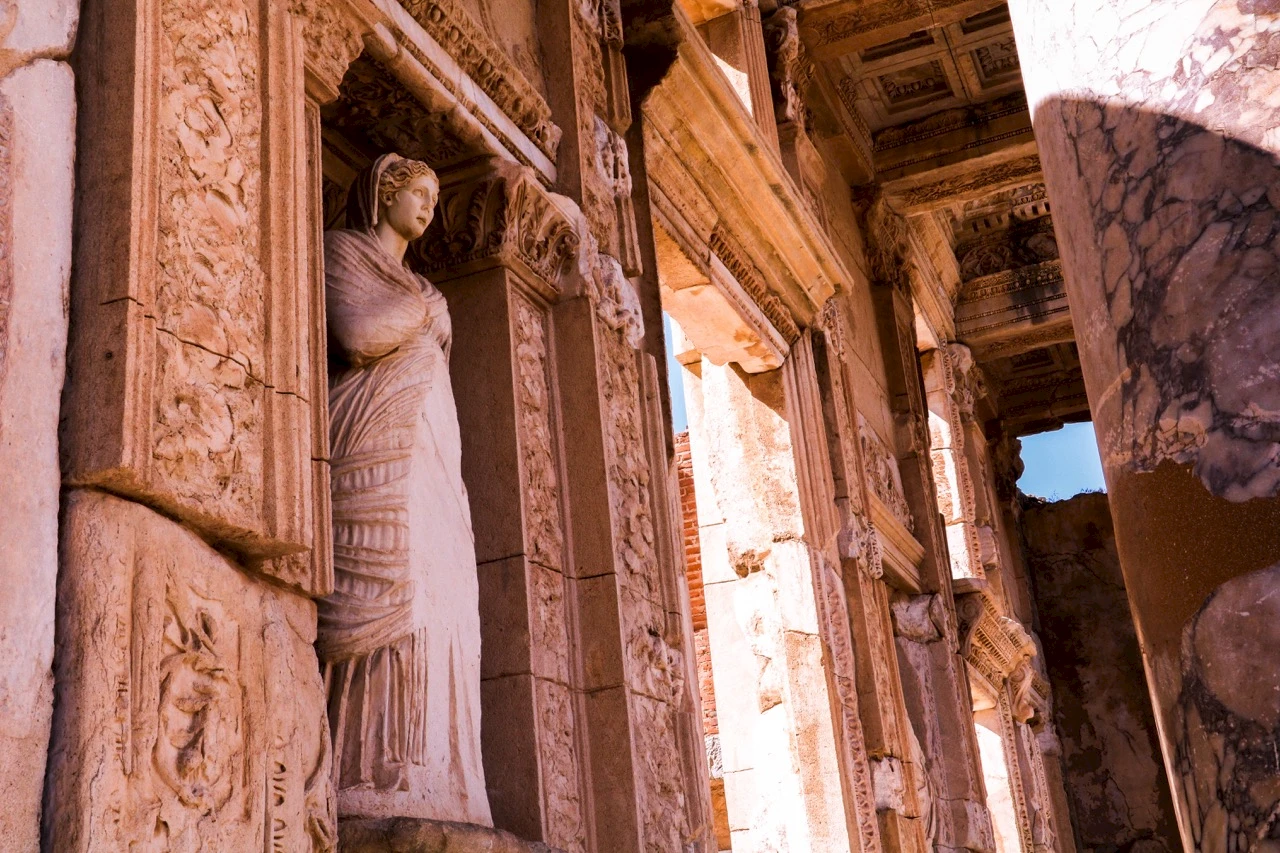
The 17th-century British experience of Ephesus was one of exploration and discovery. Travelers navigated dirt paths lined with wild vegetation, encountering scattered statues, broken columns, and weathered inscriptions. They took note of the remnants of public baths, libraries, and temples, piecing together a vision of what life in Ephesus must have been like. Their observations reveal a sense of wonder at the sophistication of Roman engineering and Greek artistry. Many British visitors viewed their journey through Ephesus as an educational pilgrimage, reflecting the growing interest in classical studies that characterized the era. They carried back stories of the city’s legendary past, inspiring others to embark on similar journeys to witness the marvels of ancient Anatolia for themselves.
The Legacy of British Travelers in Ephesus
The accounts of 17th-century British travelers contributed to the West’s fascination with Ephesus and the ancient world. These early explorers were among the first to document the ruins, offering insights that would later guide archaeologists and historians. Their stories not only fueled interest in classical antiquity but also laid the groundwork for future excavations that would bring Ephesus’s history to light. Today, Ephesus continues to captivate visitors from around the world. The impressions of those 17th-century British travelers serve as a reminder of the city’s enduring allure—a place where ancient wonders inspire reverence and curiosity across generations. For more on the history and exploration of Ephesus, visit the Wikipedia page on Ephesus. To experience the city’s legendary ruins yourself, consider a guided tour with Ephesus Tours, where the timeless beauty of Ephesus brings history to life.
Introduction
Discover the fascinating world of Ephesus Through British Eyes: A 17th Century Travel Tale in ancient Ephesus. This comprehensive guide explores the historical significance, archaeological findings, and cultural impact of this remarkable aspect of Ephesian heritage.
Historical Background
The history of Ephesus Through British Eyes: A 17th Century Travel Tale dates back to the early days of Ephesus. Archaeological evidence suggests that this aspect of Ephesian life played a crucial role in shaping the city's development and cultural identity.
Archaeological Discoveries
Recent excavations have unveiled remarkable findings related to Ephesus Through British Eyes: A 17th Century Travel Tale. These discoveries provide valuable insights into how this aspect of Ephesian life evolved over time.
Cultural Significance
Understanding Ephesus Through British Eyes: A 17th Century Travel Tale is crucial for appreciating the broader cultural context of ancient Ephesus. Its influence extended beyond the city walls, impacting trade, religion, and daily life.
Visitor Information
Today, visitors to Ephesus can explore the remnants of Ephesus Through British Eyes: A 17th Century Travel Tale firsthand. This section provides practical information for making the most of your visit.
Preservation and Future
Ongoing conservation efforts ensure that Ephesus Through British Eyes: A 17th Century Travel Tale remains preserved for future generations. Learn about the challenges and successes in maintaining this important historical site.
Frequently Asked Questions
What is the historical significance of Ephesus Through British Eyes: A 17th Century Travel Tale?
The Ephesus Through British Eyes: A 17th Century Travel Tale holds great historical importance in ancient Ephesus, providing valuable insights into the city's cultural and social development.
What can visitors see related to Ephesus Through British Eyes: A 17th Century Travel Tale today?
Visitors to Ephesus can explore well-preserved remains and artifacts related to Ephesus Through British Eyes: A 17th Century Travel Tale, offering a glimpse into the ancient world.
When is the best time to visit Ephesus Through British Eyes: A 17th Century Travel Tale?
The best time to visit is during the spring (April-May) or autumn (September-October) when the weather is mild and crowds are smaller.
Frequently Asked Questions
What is the historical significance of Ephesus Through British Eyes: A 17th Century Travel Tale?
The Ephesus Through British Eyes: A 17th Century Travel Tale holds great historical importance in ancient Ephesus, providing valuable insights into the city's cultural and social development.
What can visitors see related to Ephesus Through British Eyes: A 17th Century Travel Tale today?
Visitors to Ephesus can explore well-preserved remains and artifacts related to Ephesus Through British Eyes: A 17th Century Travel Tale, offering a glimpse into the ancient world.
When is the best time to visit Ephesus Through British Eyes: A 17th Century Travel Tale?
The best time to visit is during the spring (April-May) or autumn (September-October) when the weather is mild and crowds are smaller.
Frequently Asked Questions
What is the historical significance of Ephesus Through British Eyes: A 17th Century Travel Tale?
The Ephesus Through British Eyes: A 17th Century Travel Tale holds great historical importance in ancient Ephesus, providing valuable insights into the city's cultural and social development.
What can visitors see related to Ephesus Through British Eyes: A 17th Century Travel Tale today?
Visitors to Ephesus can explore well-preserved remains and artifacts related to Ephesus Through British Eyes: A 17th Century Travel Tale, offering a glimpse into the ancient world.
When is the best time to visit Ephesus Through British Eyes: A 17th Century Travel Tale?
The best time to visit is during the spring (April-May) or autumn (September-October) when the weather is mild and crowds are smaller.