

How to Get Into Ephesus in Ancient Ephesus
Learn how to get into Ephesus, including transportation options, entry fees, and tips for a smooth visit to this ancient archaeological site. Ephesus is one of the most significant archaeological sites in Turkey and is easily accessible from nearby towns like Kuşadası and Selçuk. Here’s a comprehensive guide on how to get into Ephesus, covering transportation options, entry details, and tips for a hassle-free visit.
1. Transportation Options
From Kuşadası
- Dolmuş (Shared Minibus):
- Description: The dolmuş is a convenient and affordable option for traveling from Kuşadası to Ephesus.
- Duration: The journey takes about 30-40 minutes.
- Departure Points: Dolmuşes depart regularly from the main bus station or central locations in Kuşadası. Look for signs indicating routes to Selçuk or Ephesus.
- Taxi:
- Description: Taxis provide a more direct and private option for getting to Ephesus.
- Cost: The fare can vary, so it's advisable to agree on a price before starting the journey.
- Rental Car:
- Description: Renting a car gives you flexibility and allows you to explore at your own pace.
- Duration: The drive from Kuşadası to Ephesus takes approximately 30 minutes.
- Parking: There is parking available near the entrance to the archaeological site.
From Selçuk
- Walking:
- Description: Ephesus is about a 20-minute walk from Selçuk. This option allows you to enjoy the scenic countryside and local atmosphere.
- Taxi or Dolmuş:
- Description: Both taxis and dolmuşes are available in Selçuk for a quick ride to the entrance of Ephesus.
2. Entry Fees and Hours
Entry Fees:
- Cost: The entrance fee to the Ephesus archaeological site is typically around 200 Turkish lira (price may vary, so check the latest rates before your visit). If you plan to visit the Terrace Houses, an additional fee is required.
Hours:
- Opening Hours: Ephesus usually opens at 8:00 AM and closes at 7:00 PM in the summer months (April to October). The hours are slightly shorter in the winter. It’s advisable to check the official website or local listings for any changes.
3. What to Expect at the Entrance
- Ticket Purchase: Tickets can be purchased at the entrance. It’s a good idea to have some local currency (Turkish lira) for entry fees, as card payments may not always be accepted.
- Security Check: Be prepared for a security check at the entrance, which may include bag inspections.
4. Tips for a Smooth Visit
- Plan Your Visit: Arrive early to avoid crowds, especially during peak tourist seasons. Early morning visits also allow you to enjoy cooler temperatures.
- Bring Water: Carry a refillable water bottle to stay hydrated, especially during warmer months.
- Wear Comfortable Shoes: The site involves a lot of walking, often on uneven surfaces, so comfortable footwear is essential.
- Download a Map: Consider downloading a map or a self-guided tour app to help navigate the archaeological site and learn about key attractions.
5. Nearby Attractions
After exploring Ephesus, consider visiting these nearby sites:
- Ephesus Archaeological Museum: Located in Selçuk, this museum features a collection of artifacts from the ancient city.
- Basilica of St. John: A significant early Christian site believed to be the burial place of St. John the Apostle.
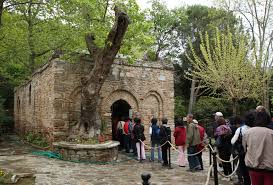
- House of the Virgin Mary: A pilgrimage site located a short distance from Ephesus, believed to be the last residence of Mary.
6. Conclusion
Getting into Ephesus is straightforward and accessible for travelers. With various transportation options, reasonable entry fees, and useful tips for planning your visit, you can enjoy a memorable experience exploring the ancient ruins of this remarkable city. Whether you’re traveling from Kuşadası or Selçuk, Ephesus offers a wealth of history and culture waiting to be discovered!
Introduction
Discover the fascinating world of How to Get Into Ephesus in Ancient Ephesus in ancient Ephesus. This comprehensive guide explores the historical significance, archaeological findings, and cultural impact of this remarkable aspect of Ephesian heritage.
Historical Background
The history of How to Get Into Ephesus in Ancient Ephesus dates back to the early days of Ephesus. Archaeological evidence suggests that this aspect of Ephesian life played a crucial role in shaping the city's development and cultural identity.
Archaeological Discoveries
Recent excavations have unveiled remarkable findings related to How to Get Into Ephesus in Ancient Ephesus. These discoveries provide valuable insights into how this aspect of Ephesian life evolved over time.
Cultural Significance
Understanding How to Get Into Ephesus in Ancient Ephesus is crucial for appreciating the broader cultural context of ancient Ephesus. Its influence extended beyond the city walls, impacting trade, religion, and daily life.
Visitor Information
Today, visitors to Ephesus can explore the remnants of How to Get Into Ephesus in Ancient Ephesus firsthand. This section provides practical information for making the most of your visit.
Preservation and Future
Ongoing conservation efforts ensure that How to Get Into Ephesus in Ancient Ephesus remains preserved for future generations. Learn about the challenges and successes in maintaining this important historical site.
Frequently Asked Questions
What is the historical significance of How to Get Into Ephesus in Ancient Ephesus?
The How to Get Into Ephesus in Ancient Ephesus holds great historical importance in ancient Ephesus, providing valuable insights into the city's cultural and social development.
What can visitors see related to How to Get Into Ephesus in Ancient Ephesus today?
Visitors to Ephesus can explore well-preserved remains and artifacts related to How to Get Into Ephesus in Ancient Ephesus, offering a glimpse into the ancient world.
When is the best time to visit How to Get Into Ephesus in Ancient Ephesus?
The best time to visit is during the spring (April-May) or autumn (September-October) when the weather is mild and crowds are smaller.
Frequently Asked Questions
What is the historical significance of How to Get Into Ephesus in Ancient Ephesus?
The How to Get Into Ephesus in Ancient Ephesus holds great historical importance in ancient Ephesus, providing valuable insights into the city's cultural and social development.
What can visitors see related to How to Get Into Ephesus in Ancient Ephesus today?
Visitors to Ephesus can explore well-preserved remains and artifacts related to How to Get Into Ephesus in Ancient Ephesus, offering a glimpse into the ancient world.
When is the best time to visit How to Get Into Ephesus in Ancient Ephesus?
The best time to visit is during the spring (April-May) or autumn (September-October) when the weather is mild and crowds are smaller.
Frequently Asked Questions
What is the historical significance of How to Get Into Ephesus in Ancient Ephesus?
The How to Get Into Ephesus in Ancient Ephesus holds great historical importance in ancient Ephesus, providing valuable insights into the city's cultural and social development.
What can visitors see related to How to Get Into Ephesus in Ancient Ephesus today?
Visitors to Ephesus can explore well-preserved remains and artifacts related to How to Get Into Ephesus in Ancient Ephesus, offering a glimpse into the ancient world.
When is the best time to visit How to Get Into Ephesus in Ancient Ephesus?
The best time to visit is during the spring (April-May) or autumn (September-October) when the weather is mild and crowds are smaller.