
The Rediscovery of Ephesus
The search for Ephesus began in earnest during the early 19th century, sparked by reports of ancient ruins near the modern town of Selçuk. In 1863, John Turtle Wood, a British architect and engineer, began his search for the Temple of Artemis, one of the Seven Wonders of the Ancient World. After years of effort, in 1869, he discovered the remnants of the temple, which marked the beginning of Ephesus's rediscovery. This major breakthrough ignited global interest in the city.
In 1895, the Austrian Archaeological Institute took over the excavations, led by archaeologists like Otto Benndorf. Their systematic approach uncovered the Library of Celsus, the Great Theatre, and residential areas, as well as other important public and religious structures. Over the past century, Ephesus has become one of the most well-preserved ancient cities, with ongoing work revealing more about its vibrant past.
Archaeological Techniques Used in Ephesus
The methods used to uncover the secrets of Ephesus have evolved significantly over the years. Today, archaeologists employ advanced technologies to explore the site with greater precision and less disruption to the remains. Key techniques include:
- Ground-Penetrating Radar (GPR): This non-invasive method allows archaeologists to detect buried structures without disturbing the soil, aiding in the mapping of the city’s layout before excavation begins.
- 3D Laser Scanning: This technology creates highly accurate digital models of structures like the Library of Celsus and the Great Theatre, providing valuable data for preservation and study.
- Digital Mapping: Using satellite imagery and Geographic Information Systems (GIS), archaeologists have mapped Ephesus in remarkable detail, revealing the full scope of the city’s development over time.
- Conservation Techniques: Sophisticated methods ensure the preservation of delicate artifacts, statues, and mosaics, protecting them from environmental damage for future generations.
Major Discoveries in Ephesus
-
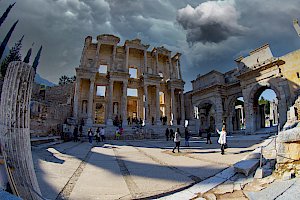
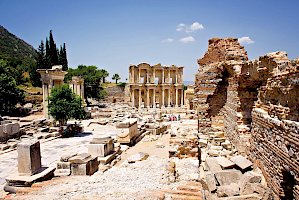
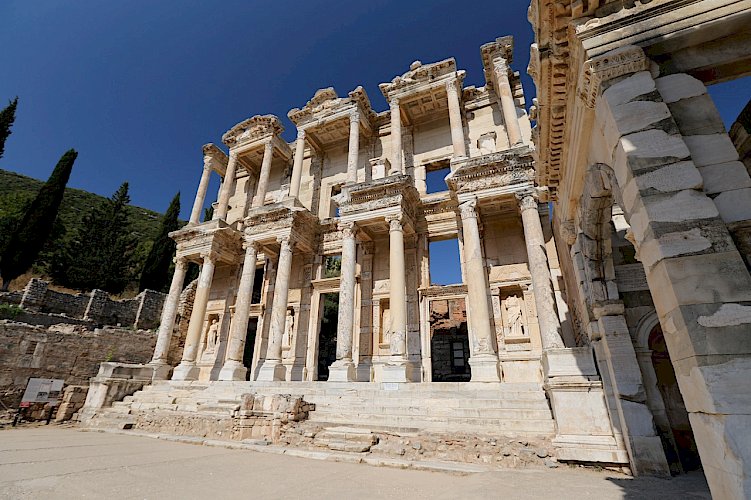
The Library of Celsus: A Monument to Knowledge The Library of Celsus, built in the 2nd century CE in honor of Tiberius Julius Celsus Polemaeanus, is one of the most iconic discoveries at Ephesus. The library housed over 12,000 scrolls and served as a major intellectual center. Archaeologists have reconstructed the elaborate façade, adorned with columns and statues representing wisdom and knowledge, showcasing the Roman commitment to culture and learning.
-
The Great Theatre: A Venue for Entertainment and Spiritual Discourse The Great Theatre of Ephesus, one of the largest in the ancient world, seated 25,000 spectators. It hosted theatrical performances, gladiatorial contests, and public meetings. The Apostle Paul is said to have preached here, illustrating its importance not just as a cultural venue, but also as a place for religious and political discourse.
-
The Temple of Artemis: A Wonder Lost to Time The Temple of Artemis, one of the Seven Wonders of the Ancient World, was dedicated to the goddess Artemis. Though largely destroyed, excavations have uncovered fragments of columns and statues, shedding light on the temple's grand size and its importance as a pilgrimage site. The remains of this once colossal structure continue to attract archaeologists and visitors alike.
-
The Terrace Houses: Homes of the Elite The Terrace Houses offer a fascinating look into the luxurious lives of Ephesus’s wealthiest citizens. These multi-story homes, built on terraces overlooking the city, feature intricate mosaics, frescoes, and an advanced heating system. Artifacts uncovered within these homes offer insights into the social stratification and domestic life in ancient Ephesus.
-
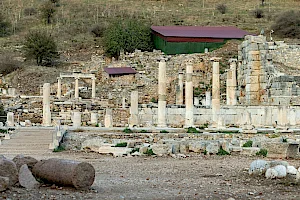
The Agora: A Hub of Commerce and Politics The agora was the economic heart of Ephesus. The Commercial Agora and the State Agora were bustling centers where merchants and politicians gathered. Excavations have uncovered shops, warehouses, and administrative buildings, revealing the economic vitality of Ephesus and its strategic role as a key trading hub.
Ongoing Excavations and New Findings
Archaeological work continues in Ephesus, with recent projects focused on exploring new areas of the city. Notable ongoing discoveries include:
- The Church of Mary: This early Christian church, believed to have hosted the Third Ecumenical Council in 431 CE, is shedding light on Christianity’s spread in Ephesus.
- Residential Areas: New excavations of homes and neighborhoods are revealing the social structures and lifestyles of Ephesus’s inhabitants.
- The Prytaneion: The Prytaneion, where the eternal flame of Hestia burned, was the administrative heart of the city. Excavations here have provided more information on Ephesus’s government and public life.
The Cultural Significance of Ephesus
The archaeological findings in Ephesus offer valuable insights into the city’s role as a cultural melting pot, where Greek, Roman, and early Christian influences converged. The ruins of temples, theatres, and libraries reflect Ephesus’s status as a major cultural, intellectual, and religious center in the ancient world. The Apostle Paul’s time in Ephesus, the Book of Revelation's mention of the city, and the belief that the Virgin Mary lived here add spiritual and historical dimensions to the city’s significance.
Preserving Ephesus for Future Generations
As one of Turkey’s most visited archaeological sites, Ephesus requires ongoing conservation efforts. The Turkish government and international organizations are committed to preserving the site and protecting it from environmental and human damage. Through the work of archaeologists and conservators, Ephesus’s rich cultural heritage is safeguarded for future generations.
Visiting Ephesus Today
Ephesus remains a popular destination for tourists and pilgrims alike. To make the most of your visit:
- Arrive Early: Ephesus can get crowded, so visiting early will allow you to explore with fewer people.
- Wear Comfortable Shoes: The site covers a large area with uneven streets, so good walking shoes are essential.
- Bring Sun Protection: Ephesus is open and exposed, so sunscreen, a hat, and water are necessary, especially during the summer.
- Take a Guided Tour: To fully appreciate the site’s history, consider joining a guided tour, which offers insights into the significance of the ruins.
Conclusion
The archaeological discoveries in Ephesus provide a rich and detailed picture of the city’s history, culture, and role in the ancient world. From the grand Library of Celsus to the bustling Terrace Houses, each discovery helps us understand the complexity and vibrancy of ancient Ephesus. With ongoing excavations and new technologies, we continue to uncover more about this remarkable city, ensuring that its legacy endures for future generations to explore and appreciate.