
Artemis in Ephesus: The Great Temple and Its Significance
The ancient city of Ephesus, located in what is now modern-day Turkey, was once home to one of the most magnificent temples ever constructed—the Great Temple of Artemis. Known as one of the Seven Wonders of the Ancient World, this temple was more than just an architectural feat; it was a symbol of religious devotion, cultural identity, and the power of the goddess Artemis.
The Construction of the Great Temple
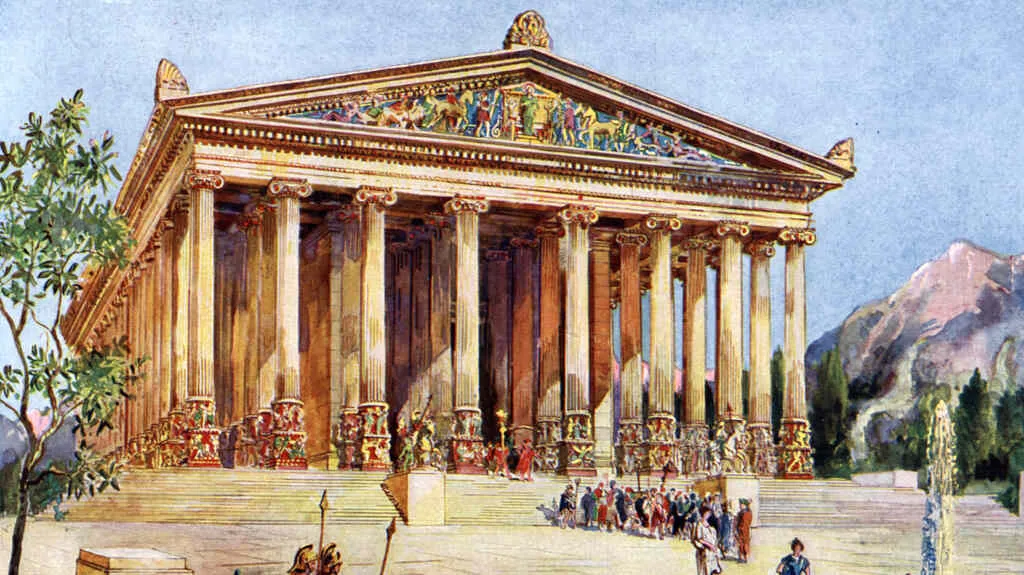
The Temple of Artemis, also known as the Artemision, was built around 550 BC under the guidance of the Lydian king Croesus. The temple was designed by the Greek architect Chersiphron and his son Metagenes, who sought to create a structure worthy of the goddess of the hunt and the wilderness. Measuring approximately 115 meters in length and 55 meters in width, the temple was adorned with 127 Ionic columns, each standing over 18 meters tall. These columns not only supported the massive roof but also symbolized the grandeur and majesty of Artemis herself.
The construction of the temple was an immense undertaking, requiring the labor of thousands of workers and the use of the finest materials, including marble, gold, and precious stones. The temple’s opulent design reflected the wealth and power of Ephesus, as well as the city’s deep devotion to Artemis, who was believed to protect the city and its inhabitants.

The Cultural and Religious Significance
The Temple of Artemis was not just a place of worship; it was the heart of Ephesian society. As the largest building in the ancient world at the time, it attracted pilgrims from across the Mediterranean, who came to pay homage to Artemis and seek her protection. The temple also served as a major financial center, where vast sums of money were deposited for safekeeping under the watchful eye of the goddess.
The significance of the temple extended beyond religious practices. It was a cultural hub where festivals, athletic competitions, and artistic performances were held. The annual festival of Artemis, known as Artemisia, was one of the most important events in Ephesus, drawing crowds from all over the region to celebrate with feasting, music, and games. The festival honored Artemis’s role as the protector of the city and reinforced the social and political unity of the Ephesian people.

The Destruction and Legacy of the Temple
Despite its grandeur, the Temple of Artemis faced numerous challenges throughout its history. In 356 BC, a man named Herostratus set fire to the temple in a bid for fame, reducing much of the structure to ruins. The temple was later rebuilt by Alexander the Great, only to be destroyed again during a Gothic invasion in 262 AD. Over the centuries, the temple’s remains were gradually dismantled, with its stones repurposed for other buildings.
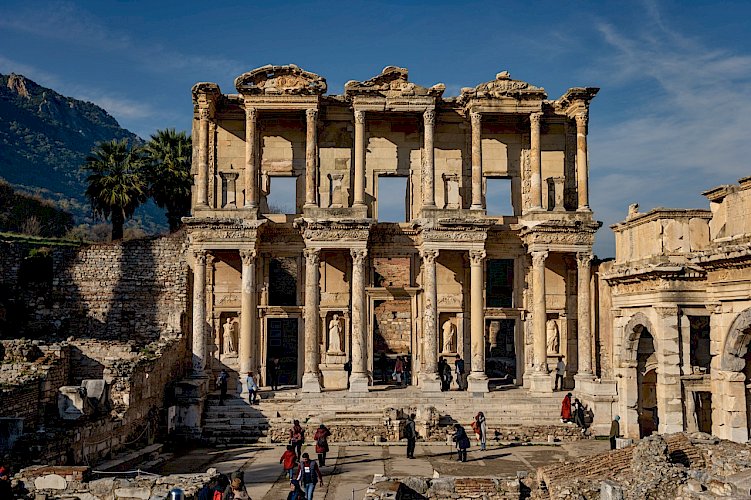
Today, only a few columns and fragments of the temple remain, but its legacy continues to inspire awe and reverence. The Temple of Artemis is remembered as one of the greatest architectural achievements of the ancient world, a symbol of the devotion and ingenuity of the people who built it. The site of the temple is now an important archaeological site, attracting scholars and tourists who seek to understand its historical and cultural significance.

Artemis’s Enduring Influence
Even though the Temple of Artemis no longer stands as it once did, the goddess’s influence remains strong. Artemis continues to be a powerful symbol of independence, strength, and protection, qualities that resonate with people across cultures and generations. Her legacy is preserved not only in the ruins of her temple but also in the stories, art, and traditions that celebrate her divine power.
The worship of Artemis in Ephesus was a testament to the city’s deep spiritual connection to the goddess, a connection that has endured through the ages. Whether as a protector of the wilderness, a guardian of women and children, or a symbol of the moon, Artemis’s presence in Ephesus is a reminder of the enduring power of myth and the timeless appeal of the divine.

Introduction
Discover the fascinating world of Artemis in Ephesus: The Great Temple and Its Significance in ancient Ephesus. This comprehensive guide explores the historical significance, archaeological findings, and cultural impact of this remarkable aspect of Ephesian heritage.
Historical Background
The history of Artemis in Ephesus: The Great Temple and Its Significance dates back to the early days of Ephesus. Archaeological evidence suggests that this aspect of Ephesian life played a crucial role in shaping the city's development and cultural identity.
Archaeological Discoveries
Recent excavations have unveiled remarkable findings related to Artemis in Ephesus: The Great Temple and Its Significance. These discoveries provide valuable insights into how this aspect of Ephesian life evolved over time.
Cultural Significance
Understanding Artemis in Ephesus: The Great Temple and Its Significance is crucial for appreciating the broader cultural context of ancient Ephesus. Its influence extended beyond the city walls, impacting trade, religion, and daily life.
Visitor Information
Today, visitors to Ephesus can explore the remnants of Artemis in Ephesus: The Great Temple and Its Significance firsthand. This section provides practical information for making the most of your visit.
Preservation and Future
Ongoing conservation efforts ensure that Artemis in Ephesus: The Great Temple and Its Significance remains preserved for future generations. Learn about the challenges and successes in maintaining this important historical site.
Frequently Asked Questions
What is the historical significance of Artemis in Ephesus: The Great Temple and Its Significance?
The Artemis in Ephesus: The Great Temple and Its Significance holds great historical importance in ancient Ephesus, providing valuable insights into the city's cultural and social development.
What can visitors see related to Artemis in Ephesus: The Great Temple and Its Significance today?
Visitors to Ephesus can explore well-preserved remains and artifacts related to Artemis in Ephesus: The Great Temple and Its Significance, offering a glimpse into the ancient world.
When is the best time to visit Artemis in Ephesus: The Great Temple and Its Significance?
The best time to visit is during the spring (April-May) or autumn (September-October) when the weather is mild and crowds are smaller.
Frequently Asked Questions
What is the historical significance of Artemis in Ephesus: The Great Temple and Its Significance?
The Artemis in Ephesus: The Great Temple and Its Significance holds great historical importance in ancient Ephesus, providing valuable insights into the city's cultural and social development.
What can visitors see related to Artemis in Ephesus: The Great Temple and Its Significance today?
Visitors to Ephesus can explore well-preserved remains and artifacts related to Artemis in Ephesus: The Great Temple and Its Significance, offering a glimpse into the ancient world.
When is the best time to visit Artemis in Ephesus: The Great Temple and Its Significance?
The best time to visit is during the spring (April-May) or autumn (September-October) when the weather is mild and crowds are smaller.
Frequently Asked Questions
What is the historical significance of Artemis in Ephesus: The Great Temple and Its Significance?
The Artemis in Ephesus: The Great Temple and Its Significance holds great historical importance in ancient Ephesus, providing valuable insights into the city's cultural and social development.
What can visitors see related to Artemis in Ephesus: The Great Temple and Its Significance today?
Visitors to Ephesus can explore well-preserved remains and artifacts related to Artemis in Ephesus: The Great Temple and Its Significance, offering a glimpse into the ancient world.
When is the best time to visit Artemis in Ephesus: The Great Temple and Its Significance?
The best time to visit is during the spring (April-May) or autumn (September-October) when the weather is mild and crowds are smaller.