

The Temple of Artemis at Ephesus: One of the Seven Wonders
Explore the Temple of Artemis at Ephesus, one of the Seven Wonders of the Ancient World. Discover its history, architectural grandeur, cultural significance, and legacy that continues to inspire awe today. The Temple of Artemis at Ephesus, a magnificent structure dedicated to the goddess of fertility and the hunt, is celebrated as one of the Seven Wonders of the Ancient World. Its grand scale, architectural brilliance, and cultural importance make it a significant landmark in the history of ancient civilization. This guide delves into the fascinating story of the Temple of Artemis, exploring its origins, architectural features, historical significance, and enduring legacy.
1. Historical Background
Origins of the Temple:
- The Temple of Artemis was built around 550 BC to honor Artemis, the Greek goddess associated with hunting, wilderness, and childbirth. The first structure dedicated to her was erected in the 10th century BC but was later replaced by the grander temple that is widely recognized today.
Cultural Context:
- Ephesus was a thriving city due to its strategic location on trade routes, attracting merchants and pilgrims. The temple served as a focal point for worship and a center for economic activity, making it a vital part of the city’s identity.
2. Architectural Features
Imposing Structure:
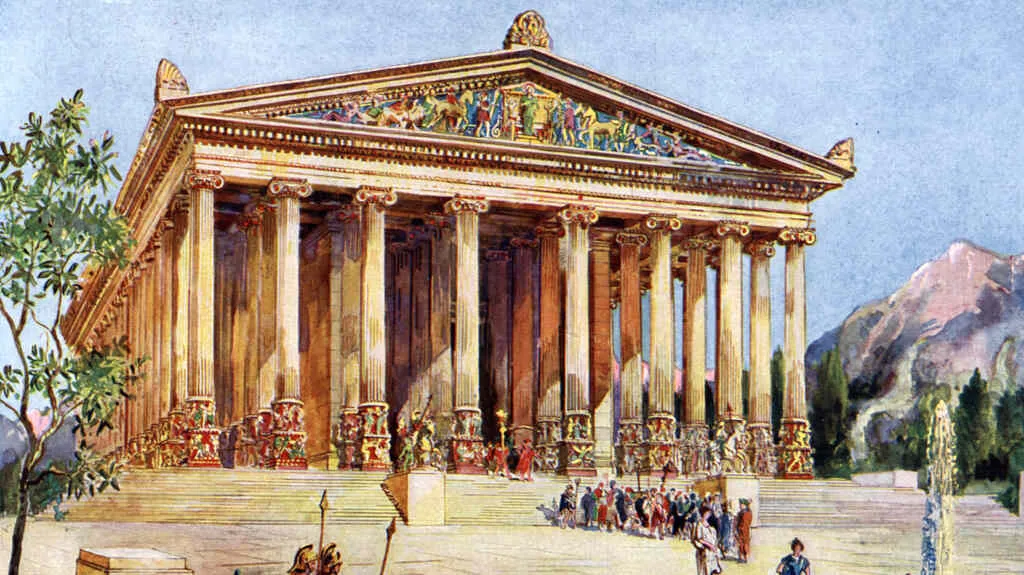
- The Temple of Artemis was an extraordinary feat of engineering, measuring approximately 115 meters long and 55 meters wide. It was adorned with 127 magnificent columns, each about 18 meters tall, creating a breathtaking visual impact.
Design Elements:
- Designed by the architects Chersiphron and his son Metagenes, the temple exhibited a blend of Greek and Near Eastern architectural styles. The use of marble, intricate sculptures, and reliefs decorated its façade, showcasing the artistic skills of the time.
Statue of Artemis:
- The inner sanctum of the temple housed a statue of Artemis, believed to have been adorned with precious metals and stones. This statue was a significant focus of worship and symbolized the goddess's importance to the people of Ephesus.
3. Religious and Economic Significance
Center of Worship:
- The Temple of Artemis was a major religious site, attracting pilgrims from all over the ancient world. It served as a sanctuary where worshippers would come to offer sacrifices and seek blessings from the goddess.
Economic Hub:
- The temple's status as a pilgrimage site boosted Ephesus's economy. Merchants capitalized on the influx of visitors, and the temple became a vital center for trade and commerce, enhancing the city’s prosperity.
4. Decline and Destruction
Natural Disasters:
- The temple suffered damage from earthquakes and other natural disasters over the centuries. Despite these setbacks, it was rebuilt several times, retaining its prominence in Ephesus.
Final Destruction:
- The temple was ultimately destroyed in 262 AD by invading Goths. While it was briefly restored afterward, it never regained its former glory, and by the 5th century AD, it was largely abandoned.
5. Archaeological Discoveries
Excavations:
- Archaeological excavations at the site of the Temple of Artemis have uncovered numerous artifacts, including fragments of the temple’s foundation and remnants of sculptures. These findings provide insights into the temple's construction and its cultural significance.
Modern Interpretation:
- Today, the ruins of the Temple of Artemis include a few standing columns and the foundations of the original structure. The site serves as a reminder of the architectural prowess and religious fervor of the ancient Ephesians.
6. Visiting the Temple of Artemis
Visitor Experience:
- Visitors to Ephesus can explore the site of the Temple of Artemis, located just outside the main archaeological site. While much of the temple is in ruins, the remaining columns and foundation provide a sense of its former grandeur.
Nearby Attractions:
- Combine your visit to the Temple of Artemis with other nearby sites, such as the Ephesus Archaeological Museum, which houses artifacts related to the temple, and the ancient city of Ephesus itself.
7. Conclusion
The Temple of Artemis at Ephesus stands as a monumental testament to the artistic, religious, and cultural achievements of ancient civilizations. Its status as one of the Seven Wonders of the Ancient World reflects the reverence with which the Ephesians held their goddess and the importance of the temple in their daily lives. Although the temple has long since fallen into ruins, its legacy endures, inspiring awe and fascination in all who visit. The story of the Temple of Artemis continues to be a testament to the enduring human quest for beauty, spirituality, and understanding.
Introduction
Discover the fascinating world of The Temple of Artemis at Ephesus: One of the Seven Wonders in ancient Ephesus. This comprehensive guide explores the historical significance, archaeological findings, and cultural impact of this remarkable aspect of Ephesian heritage.
Cultural Significance
Understanding The Temple of Artemis at Ephesus: One of the Seven Wonders is crucial for appreciating the broader cultural context of ancient Ephesus. Its influence extended beyond the city walls, impacting trade, religion, and daily life.
Visitor Information
Today, visitors to Ephesus can explore the remnants of The Temple of Artemis at Ephesus: One of the Seven Wonders firsthand. This section provides practical information for making the most of your visit.
Preservation and Future
Ongoing conservation efforts ensure that The Temple of Artemis at Ephesus: One of the Seven Wonders remains preserved for future generations. Learn about the challenges and successes in maintaining this important historical site.
Frequently Asked Questions
What is the historical significance of The Temple of Artemis at Ephesus: One of the Seven Wonders?
The The Temple of Artemis at Ephesus: One of the Seven Wonders holds great historical importance in ancient Ephesus, providing valuable insights into the city's cultural and social development.
What can visitors see related to The Temple of Artemis at Ephesus: One of the Seven Wonders today?
Visitors to Ephesus can explore well-preserved remains and artifacts related to The Temple of Artemis at Ephesus: One of the Seven Wonders, offering a glimpse into the ancient world.
When is the best time to visit The Temple of Artemis at Ephesus: One of the Seven Wonders?
The best time to visit is during the spring (April-May) or autumn (September-October) when the weather is mild and crowds are smaller.
Frequently Asked Questions
What is the historical significance of The Temple of Artemis at Ephesus: One of the Seven Wonders?
The The Temple of Artemis at Ephesus: One of the Seven Wonders holds great historical importance in ancient Ephesus, providing valuable insights into the city's cultural and social development.
What can visitors see related to The Temple of Artemis at Ephesus: One of the Seven Wonders today?
Visitors to Ephesus can explore well-preserved remains and artifacts related to The Temple of Artemis at Ephesus: One of the Seven Wonders, offering a glimpse into the ancient world.
When is the best time to visit The Temple of Artemis at Ephesus: One of the Seven Wonders?
The best time to visit is during the spring (April-May) or autumn (September-October) when the weather is mild and crowds are smaller.
Frequently Asked Questions
What is the historical significance of The Temple of Artemis at Ephesus: One of the Seven Wonders?
The The Temple of Artemis at Ephesus: One of the Seven Wonders holds great historical importance in ancient Ephesus, providing valuable insights into the city's cultural and social development.
What can visitors see related to The Temple of Artemis at Ephesus: One of the Seven Wonders today?
Visitors to Ephesus can explore well-preserved remains and artifacts related to The Temple of Artemis at Ephesus: One of the Seven Wonders, offering a glimpse into the ancient world.
When is the best time to visit The Temple of Artemis at Ephesus: One of the Seven Wonders?
The best time to visit is during the spring (April-May) or autumn (September-October) when the weather is mild and crowds are smaller.