
The Gate of Hercules: Ephesus’ Mythical Entrance
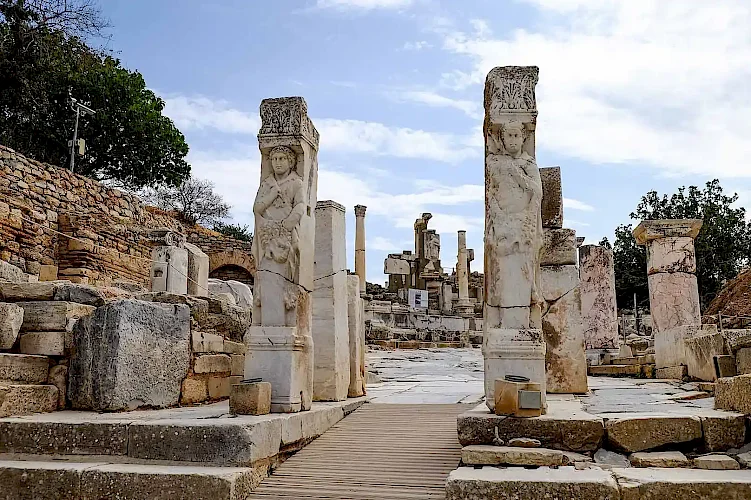
The Gate of Hercules stands as an impressive entrance to the ancient city of Ephesus, marking the boundary between the sacred and the secular. Named after the mythical hero Hercules, this gate not only served a practical purpose but also held significant cultural and spiritual meaning for the inhabitants of Ephesus. As visitors approach this monumental structure, they are greeted with a sense of history and a connection to the legends that shaped the ancient world.
1. Historical Significance of the Gate
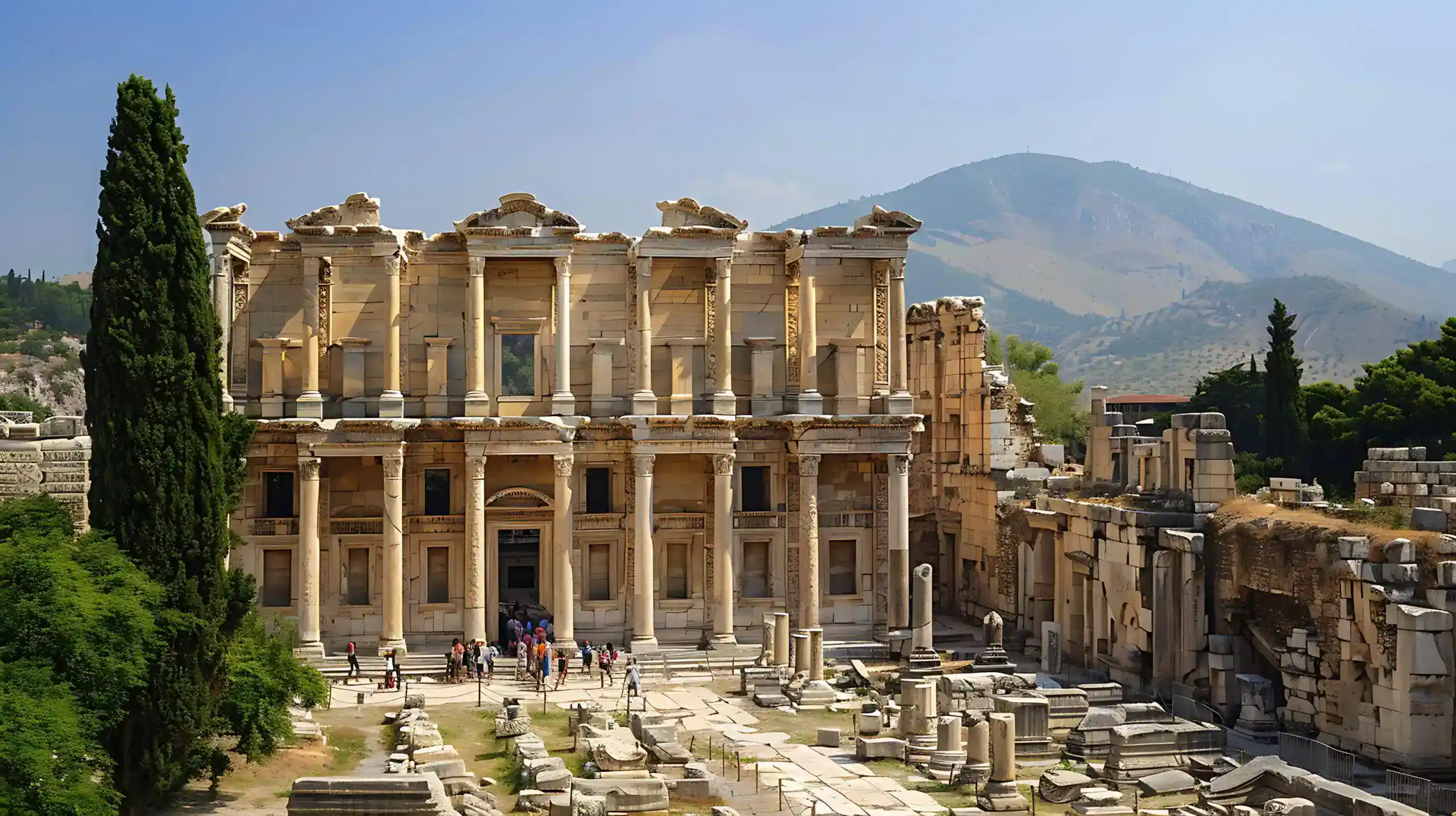
Constructed during the Roman period, the Gate of Hercules was part of a larger network of entry points into Ephesus. It was strategically located near the Temple of Artemis and the main thoroughfare of Curetes Street, connecting important religious and commercial sites. The gate’s position underscores its role as a crucial entry point for pilgrims, merchants, and travelers arriving in the city. Architectural Features: The gate features beautiful Corinthian columns and intricate reliefs that depict various scenes from mythology. Its design reflects the grandeur of Roman architecture and showcases the artistic skills of ancient craftsmen. The gate was not just an entrance; it was a statement of Ephesus’ wealth and cultural significance within the Roman Empire.
2. Mythological Connections
The naming of the gate after Hercules ties it to the rich tapestry of Greek and Roman mythology. Hercules, known for his strength and heroic deeds, was a prominent figure in the pantheon of gods and heroes. In Ephesus, Hercules represented bravery and protection, qualities that resonated with the city’s citizens. Mythology often intertwined with daily life in Ephesus, and the gate served as a reminder of the legends that shaped the identity of the city. As a point of entry, it was believed to offer blessings and protection to those who passed through, making it not only a physical structure but also a spiritual one.
3. Cultural Significance in Ephesus
The Gate of Hercules played a vital role in the social and cultural life of Ephesus. As visitors entered the city through this monumental gateway, they were stepping into a vibrant hub of commerce, religion, and culture. The gate was often the site of public gatherings, processions, and festivals that celebrated the city’s patron deities and honored its rich history. Surrounding the gate were shops and public buildings, creating a bustling atmosphere that reflected the city’s economic vitality. The gateway symbolized the connection between the sacred and the everyday, allowing citizens and visitors alike to experience the depth of Ephesus’ cultural heritage.
4. Visiting the Gate of Hercules Today
Today, the Gate of Hercules remains a fascinating feature of Ephesus, drawing visitors eager to explore its historical significance and architectural beauty. While some of the gate's original structures have weathered over time, the remnants still evoke a sense of grandeur and connection to the past. What to Look For:
- Reliefs and Inscriptions: Examine the detailed carvings that depict mythological scenes and ancient inscriptions that tell the stories of the past.
- Surrounding Structures: Explore the nearby ruins, including the Temple of Artemis and Curetes Street, to get a full sense of the gate's historical context.
Conclusion The Gate of Hercules stands as a mythical entrance to the ancient city of Ephesus, embodying the intersection of history, mythology, and culture. As visitors walk through this impressive structure, they can reflect on the legends that shaped Ephesus and the significance of this gateway in the lives of its citizens. Ephesus, with its rich heritage and storied past, continues to inspire awe and curiosity in those who venture to explore its ancient streets.
For more information about the Gate of Hercules and the history of Ephesus, visit the Wikipedia page on Ephesus.
Introduction
Discover the fascinating world of The Gate of Hercules: Ephesus’ Mythical Entrance in ancient Ephesus. This comprehensive guide explores the historical significance, archaeological findings, and cultural impact of this remarkable aspect of Ephesian heritage.
Historical Background
The history of The Gate of Hercules: Ephesus’ Mythical Entrance dates back to the early days of Ephesus. Archaeological evidence suggests that this aspect of Ephesian life played a crucial role in shaping the city's development and cultural identity.
Archaeological Discoveries
Recent excavations have unveiled remarkable findings related to The Gate of Hercules: Ephesus’ Mythical Entrance. These discoveries provide valuable insights into how this aspect of Ephesian life evolved over time.
Visitor Information
Today, visitors to Ephesus can explore the remnants of The Gate of Hercules: Ephesus’ Mythical Entrance firsthand. This section provides practical information for making the most of your visit.
Preservation and Future
Ongoing conservation efforts ensure that The Gate of Hercules: Ephesus’ Mythical Entrance remains preserved for future generations. Learn about the challenges and successes in maintaining this important historical site.
Frequently Asked Questions
What is the historical significance of The Gate of Hercules: Ephesus’ Mythical Entrance?
The The Gate of Hercules: Ephesus’ Mythical Entrance holds great historical importance in ancient Ephesus, providing valuable insights into the city's cultural and social development.
What can visitors see related to The Gate of Hercules: Ephesus’ Mythical Entrance today?
Visitors to Ephesus can explore well-preserved remains and artifacts related to The Gate of Hercules: Ephesus’ Mythical Entrance, offering a glimpse into the ancient world.
When is the best time to visit The Gate of Hercules: Ephesus’ Mythical Entrance?
The best time to visit is during the spring (April-May) or autumn (September-October) when the weather is mild and crowds are smaller.
Frequently Asked Questions
What is the historical significance of The Gate of Hercules: Ephesus’ Mythical Entrance?
The The Gate of Hercules: Ephesus’ Mythical Entrance holds great historical importance in ancient Ephesus, providing valuable insights into the city's cultural and social development.
What can visitors see related to The Gate of Hercules: Ephesus’ Mythical Entrance today?
Visitors to Ephesus can explore well-preserved remains and artifacts related to The Gate of Hercules: Ephesus’ Mythical Entrance, offering a glimpse into the ancient world.
When is the best time to visit The Gate of Hercules: Ephesus’ Mythical Entrance?
The best time to visit is during the spring (April-May) or autumn (September-October) when the weather is mild and crowds are smaller.
Frequently Asked Questions
What is the historical significance of The Gate of Hercules: Ephesus’ Mythical Entrance?
The The Gate of Hercules: Ephesus’ Mythical Entrance holds great historical importance in ancient Ephesus, providing valuable insights into the city's cultural and social development.
What can visitors see related to The Gate of Hercules: Ephesus’ Mythical Entrance today?
Visitors to Ephesus can explore well-preserved remains and artifacts related to The Gate of Hercules: Ephesus’ Mythical Entrance, offering a glimpse into the ancient world.
When is the best time to visit The Gate of Hercules: Ephesus’ Mythical Entrance?
The best time to visit is during the spring (April-May) or autumn (September-October) when the weather is mild and crowds are smaller.