
Romance and Rivalry in Ephesus: The Story of Saronia and ...
In ancient Ephesus, a city known for its grand temples and complex social fabric, two women stood at the center of a powerful story: Saronia, a devoted priestess of Artemis, and Nika, a Roman matron. Their lives were intertwined in a tale of romance, rivalry, and ambition, each driven by her own desires and beliefs. The story of Saronia and Nika reflects the tensions between love and power in a city where devotion to the goddess and personal aspirations often clashed.
Saronia: A Priestess Bound by Faith
Saronia, a former slave from Sidon, had risen to become a priestess of the Temple of Artemis. Her devotion to the goddess was unwavering, and she found strength in her role, drawing a sense of purpose from the rituals and duties she performed. Known for her beauty and grace, Saronia captivated those around her, including Chios, a Greek artist who admired her deeply. But her commitment to Artemis was a source of tension, as it often set her at odds with others, particularly Nika, who saw Saronia as a rival.
Nika: Ambition and Desire
Nika, a wealthy Roman matron, was both captivated and threatened by Saronia. Nika’s life in Ephesus was marked by privilege, yet she harbored ambitions beyond the typical roles of Roman women. Her interest in Chios and her influence in the city’s social circles brought her into direct conflict with Saronia. Jealous of the attention that Saronia commanded, Nika saw the priestess as an obstacle to her own desires, fueling a rivalry that would shape both their lives.
A Tension of Love and Jealousy
The rivalry between Saronia and Nika was fueled by their mutual affection for Chios, who found himself caught between their affections. His admiration for Saronia’s spiritual devotion and Nika’s charisma created a complex dynamic, one that reflected the broader societal tensions within Ephesus. The two women’s conflict underscored the challenges faced by those whose lives intersected at the crossroads of faith and personal ambition. For Saronia, her love was tempered by her loyalty to Artemis, while Nika’s ambitions led her to vie for influence through romance and social standing. Their story is a testament to the ways in which love, power, and rivalry can converge, shaping the lives of those who walk the ancient streets of Ephesus.
The Legacy of Saronia and Nika in Ephesus
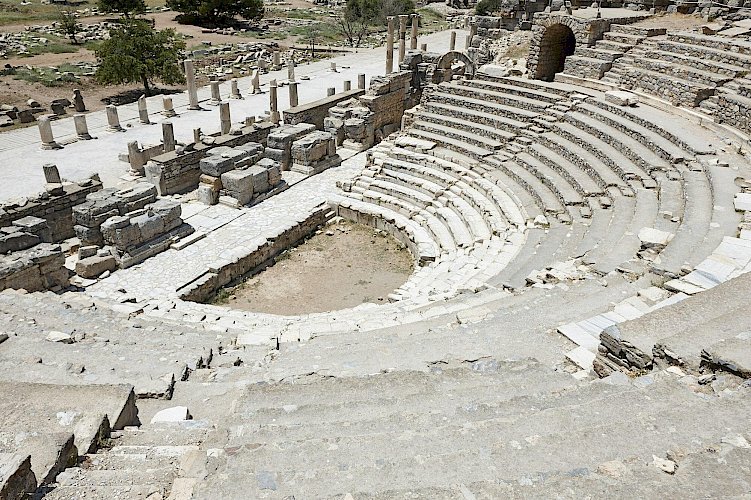
Today, visitors to Ephesus can feel the echoes of lives like those of Saronia and Nika, whose stories reflect the timeless struggles of devotion, jealousy, and the pursuit of personal fulfillment. Walking through the ruins of the Temple of Artemis and the city’s grand structures, one is reminded of the powerful forces that shaped Ephesus—forces that continue to resonate with modern visitors. To explore the history and spiritual heritage of Ephesus, visit the Wikipedia page on Ephesus. For those interested in experiencing the city’s storied past firsthand, Ephesus Tours offers guided tours that bring these ancient tales to life.
Introduction
Discover the fascinating world of Romance and Rivalry in Ephesus: The Story of Saronia and ... in ancient Ephesus. This comprehensive guide explores the historical significance, archaeological findings, and cultural impact of this remarkable aspect of Ephesian heritage.
Historical Background
The history of Romance and Rivalry in Ephesus: The Story of Saronia and ... dates back to the early days of Ephesus. Archaeological evidence suggests that this aspect of Ephesian life played a crucial role in shaping the city's development and cultural identity.
Archaeological Discoveries
Recent excavations have unveiled remarkable findings related to Romance and Rivalry in Ephesus: The Story of Saronia and .... These discoveries provide valuable insights into how this aspect of Ephesian life evolved over time.
Cultural Significance
Understanding Romance and Rivalry in Ephesus: The Story of Saronia and ... is crucial for appreciating the broader cultural context of ancient Ephesus. Its influence extended beyond the city walls, impacting trade, religion, and daily life.
Visitor Information
Today, visitors to Ephesus can explore the remnants of Romance and Rivalry in Ephesus: The Story of Saronia and ... firsthand. This section provides practical information for making the most of your visit.
Preservation and Future
Ongoing conservation efforts ensure that Romance and Rivalry in Ephesus: The Story of Saronia and ... remains preserved for future generations. Learn about the challenges and successes in maintaining this important historical site.
Frequently Asked Questions
What is the historical significance of Romance and Rivalry in Ephesus: The Story of Saronia and ...?
The Romance and Rivalry in Ephesus: The Story of Saronia and ... holds great historical importance in ancient Ephesus, providing valuable insights into the city's cultural and social development.
What can visitors see related to Romance and Rivalry in Ephesus: The Story of Saronia and ... today?
Visitors to Ephesus can explore well-preserved remains and artifacts related to Romance and Rivalry in Ephesus: The Story of Saronia and ..., offering a glimpse into the ancient world.
When is the best time to visit Romance and Rivalry in Ephesus: The Story of Saronia and ...?
The best time to visit is during the spring (April-May) or autumn (September-October) when the weather is mild and crowds are smaller.
Frequently Asked Questions
What is the historical significance of Romance and Rivalry in Ephesus: The Story of Saronia and ...?
The Romance and Rivalry in Ephesus: The Story of Saronia and ... holds great historical importance in ancient Ephesus, providing valuable insights into the city's cultural and social development.
What can visitors see related to Romance and Rivalry in Ephesus: The Story of Saronia and ... today?
Visitors to Ephesus can explore well-preserved remains and artifacts related to Romance and Rivalry in Ephesus: The Story of Saronia and ..., offering a glimpse into the ancient world.
When is the best time to visit Romance and Rivalry in Ephesus: The Story of Saronia and ...?
The best time to visit is during the spring (April-May) or autumn (September-October) when the weather is mild and crowds are smaller.
Frequently Asked Questions
What is the historical significance of Romance and Rivalry in Ephesus: The Story of Saronia and ...?
The Romance and Rivalry in Ephesus: The Story of Saronia and ... holds great historical importance in ancient Ephesus, providing valuable insights into the city's cultural and social development.
What can visitors see related to Romance and Rivalry in Ephesus: The Story of Saronia and ... today?
Visitors to Ephesus can explore well-preserved remains and artifacts related to Romance and Rivalry in Ephesus: The Story of Saronia and ..., offering a glimpse into the ancient world.
When is the best time to visit Romance and Rivalry in Ephesus: The Story of Saronia and ...?
The best time to visit is during the spring (April-May) or autumn (September-October) when the weather is mild and crowds are smaller.