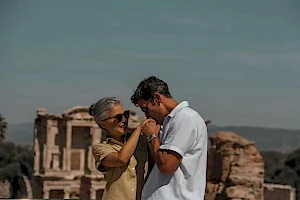


The Rise and Fall of Ephesus: An Ancient City’s Journey
Ephesus, an ancient city on the western coast of modern-day Turkey, stands as a remarkable testament to the ingenuity and resilience of human civilization. Once a thriving metropolis, Ephesus rose to prominence as a major trade hub and cultural center before succumbing to the forces of nature, shifting trade routes, and political upheaval. This is the story of Ephesus—a city that bridged the ancient and modern worlds.
The Rise of Ephesus
Strategic Location
Ephesus’ ascent to greatness was largely due to its strategic location. Nestled at the mouth of the Cayster River and near the Aegean Sea, the city served as a vital link between East and West. Its proximity to key maritime routes made it a bustling port for goods, ideas, and cultures. Merchants from across the Mediterranean and beyond brought spices, textiles, and other commodities, enriching the city’s economy and cultural landscape.
Architectural Marvels
Ephesus became synonymous with architectural and engineering brilliance. Among its most iconic landmarks was the Temple of Artemis, one of the Seven Wonders of the Ancient World. This grand structure not only symbolized the city’s wealth but also its religious significance. The Library of Celsus, the Great Theatre, and the Marble Road further showcased the city’s advanced urban planning and commitment to grandeur.
Cultural and Religious Hub
Ephesus was not just an economic powerhouse; it was also a center of culture, learning, and spirituality. The city was a melting pot where Greek, Roman, and Anatolian traditions converged. The Temple of Artemis attracted pilgrims from far and wide, while the Great Theatre hosted public debates, plays, and political gatherings. Ephesus was also an early hub for Christianity, with significant figures such as St. Paul and St. John leaving their mark on the city.
The Fall of Ephesus
Environmental Challenges
Despite its many advantages, Ephesus faced significant environmental challenges that contributed to its decline. The gradual silting of the Cayster River made the city’s harbor increasingly difficult to navigate. Over time, the once-thriving port became landlocked, cutting Ephesus off from the maritime trade routes that were its lifeblood.
Shifting Trade Routes
As the harbor deteriorated, global trade patterns shifted. Other cities along the Aegean and Mediterranean coasts rose to prominence, eclipsing Ephesus. The decline of its economic importance weakened the city’s ability to maintain its infrastructure and cultural institutions.
Political and Social Turmoil
The fall of Ephesus was further hastened by political instability and invasions. The city changed hands multiple times, from the Greeks to the Romans, and later the Byzantines and Ottomans. Each transition brought new challenges, including wars, administrative neglect, and shifting priorities that left Ephesus increasingly marginalized.
Archaeological Findings
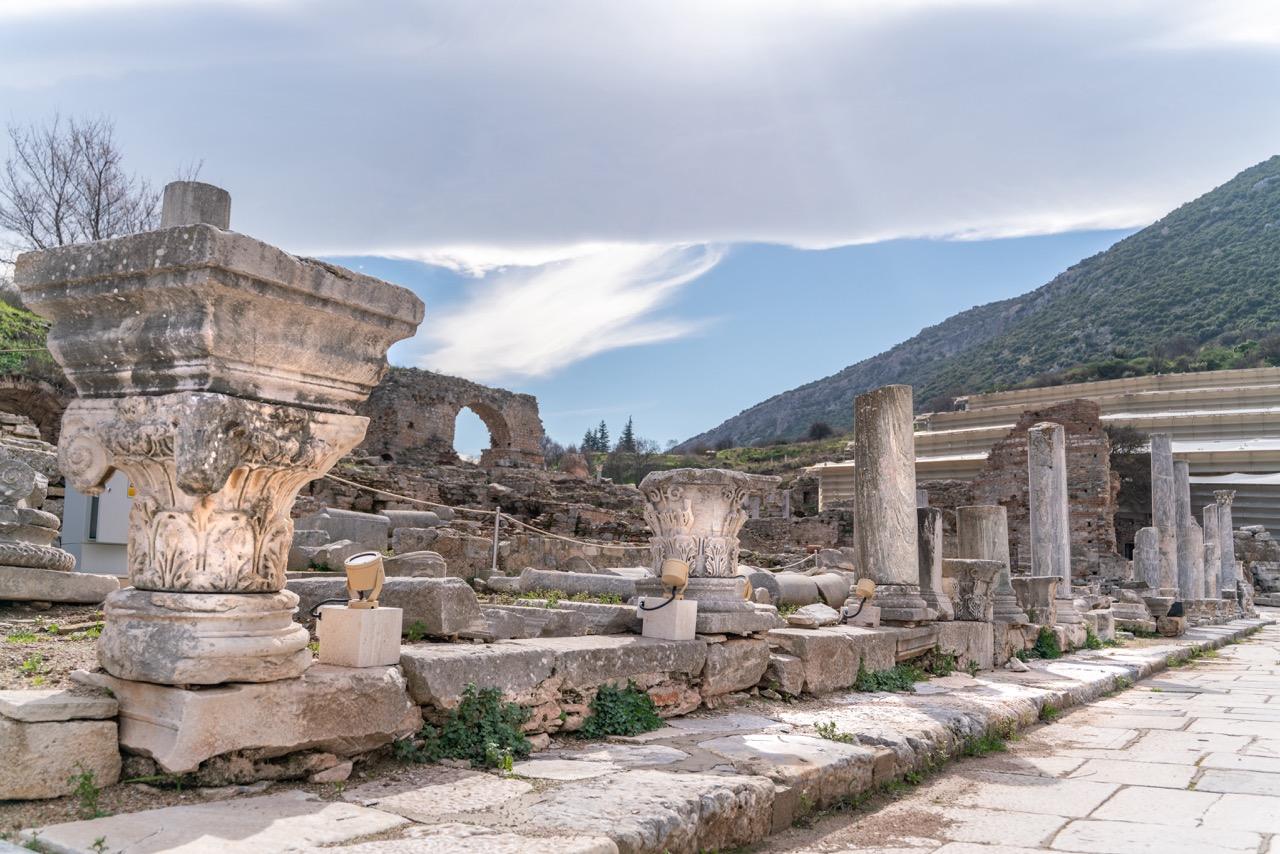
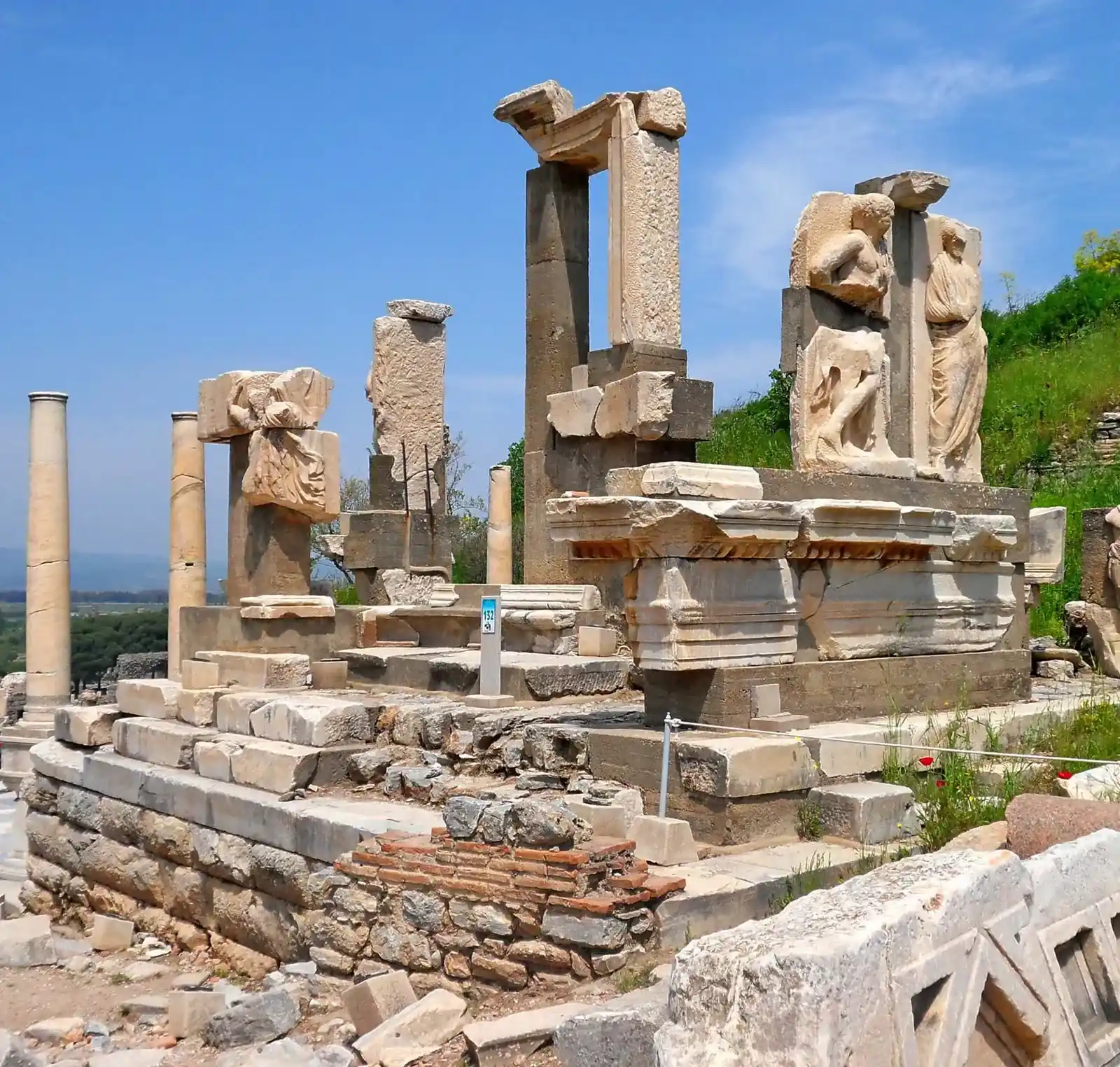
The ruins of Ephesus tell a compelling story of its rise and fall. Excavations have uncovered artifacts, inscriptions, and structures that offer insights into daily life, governance, and the city’s decline. The Temple of Artemis, though largely destroyed, remains a focal point for understanding ancient religious practices. The Terrace Houses, with their intricate mosaics and frescoes, reveal the opulence of Ephesian elites.
Perhaps most striking is the Harbor Street, a poignant reminder of how environmental changes can reshape a city’s destiny. Once bustling with traders and sailors, it now lies far from the sea, a symbol of Ephesus’ lost glory.
Lessons from the Fall of Ephesus
Ephesus’ journey offers valuable lessons for modern societies. It highlights the importance of sustainable urban planning and environmental stewardship. The city’s decline due to siltation underscores the need for proactive measures to address environmental challenges. Additionally, the shifting trade routes remind us of the impermanence of economic dominance, emphasizing the need for adaptability and resilience.
The role of political stability in fostering prosperity is another critical takeaway. Ephesus flourished when it was part of a stable and well-governed empire but faltered during periods of turmoil and neglect.
Visiting Ephesus Today
Modern visitors to Ephesus can walk through its well-preserved ruins and experience the grandeur of its past. Key attractions include:
-
The Library of Celsus: An architectural gem and a symbol of knowledge and learning.
-
The Great Theatre: A massive structure that once hosted 25,000 spectators.
-
The Temple of Artemis: Though mostly in ruins, its site remains awe-inspiring.
-
The Terrace Houses: Offering a glimpse into the luxurious lives of ancient elites.
Tips for Visitors
-
Best Time to Visit: Spring (April-May) and autumn (September-October) offer mild weather and smaller crowds.
-
Guided Tours: Consider hiring a knowledgeable guide to uncover the rich history hidden in the ruins.
-
Nearby Attractions: Combine your visit with nearby sites like the House of the Virgin Mary and the ancient city of Priene.
Conclusion
The rise and fall of Ephesus encapsulate the complexities of human civilization—its triumphs, challenges, and enduring legacy. From its strategic beginnings to its ultimate decline, Ephesus remains a powerful reminder of the forces that shape societies. Visiting this ancient city is not just a journey through history but also an opportunity to reflect on the lessons it holds for the present and future. Plan your trip to Ephesus today and immerse yourself in the story of a city that once stood at the crossroads of the ancient world.