

A Walk Down the Avenue of the Curetes: Ephesus’ Process...
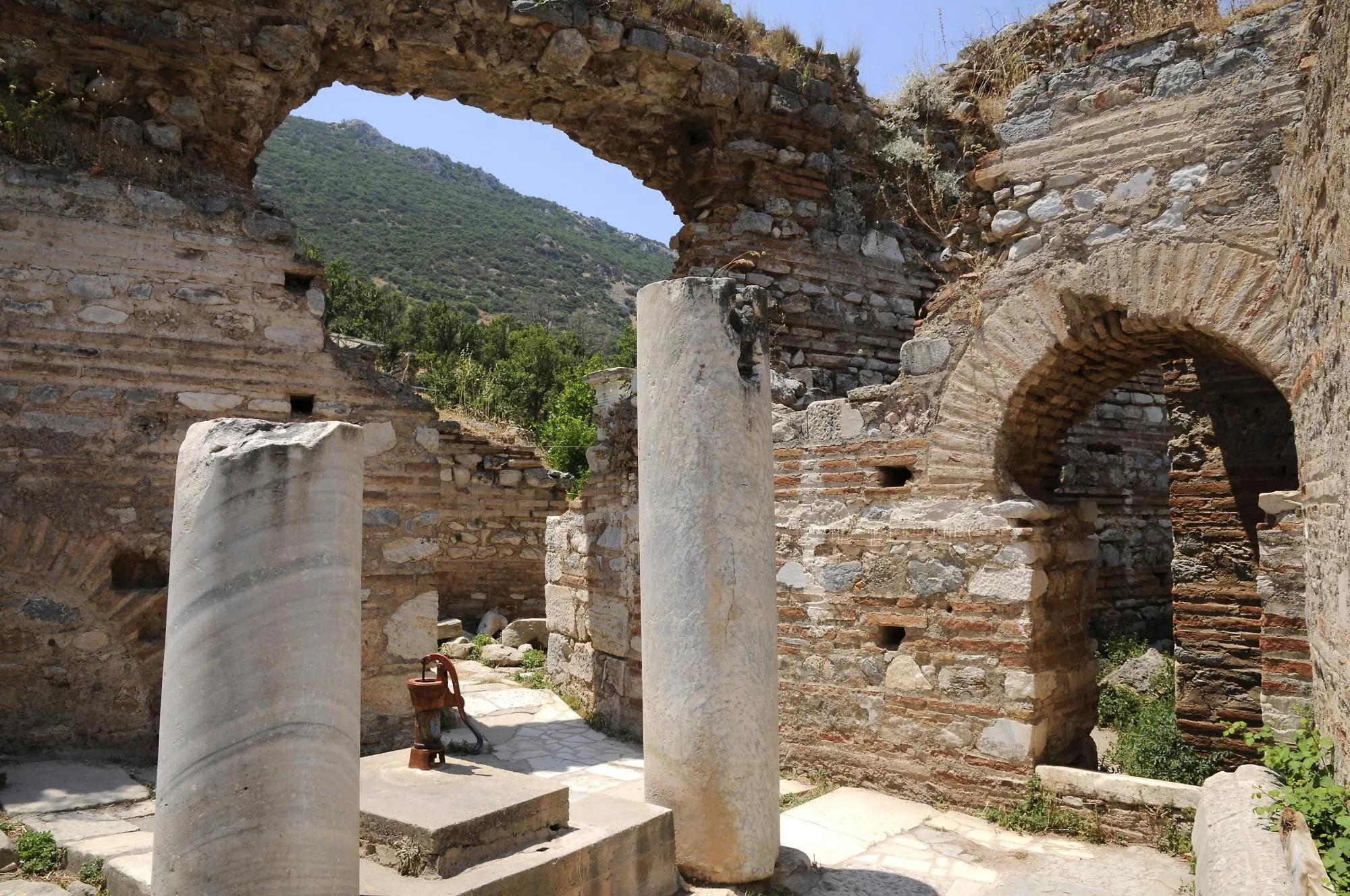
The Avenue of the Curetes, one of Ephesus' most famous streets, offers visitors a fascinating journey through the ancient city. Known for its impressive statues, temples, and decorative monuments, this street served as a main processional path for religious and civic parades. Walking down the Avenue of the Curetes is like stepping into a time capsule, where each structure tells a story of the city’s past, its people, and the beliefs that shaped its culture.
1. The Gate of Hercules: An Iconic Entrance
Entering the Avenue of the Curetes through the Gate of Hercules, you are greeted by the remnants of a once-grand archway. The gate features reliefs depicting Hercules, symbolizing strength and protection. As you walk under this arch, you are following in the footsteps of Ephesians who once strolled down this path, admiring the city’s architectural wonders and participating in processions honoring gods, emperors, and local heroes.
2. The Temples Along Curetes Street
Lining the Avenue of the Curetes are several temples dedicated to various gods and emperors. One of the most remarkable is the Temple of Hadrian, a beautiful structure built in honor of the Roman emperor. This temple features a well-preserved arch and reliefs that depict mythological scenes, showcasing the artistry and religious devotion of ancient Ephesus. Nearby, the Temple of Domitian stands as another reminder of the city’s close ties to the Roman Empire. Highlights of the Temples:
- Temple of Hadrian: Known for its elegant Corinthian columns and intricate reliefs of mythological figures.
- Temple of Domitian: Once a grand structure honoring the emperor, reflecting Ephesus’ loyalty to Rome.
3. The Nymphaeum of Trajan: A Grand Fountain
Continuing along the avenue, you’ll come to the Nymphaeum of Trajan, an elaborate fountain dedicated to Emperor Trajan. This structure once featured a large pool and a statue of Trajan, symbolizing his importance to the city. The nymphaeum provided fresh water to the citizens and served as a gathering place for social interactions. The fountain’s intricate designs reflect the blend of utility and beauty that characterized public structures in Ephesus.
4. The Sculptures and Statues Along the Path
Curetes Street was adorned with statues and reliefs depicting the city’s gods, heroes, and notable figures. As you walk down this path, you’ll pass pedestals that once held statues of local elites and Roman emperors, as well as mythological figures like Apollo and Artemis. These sculptures were more than decorative; they reinforced the city’s religious and cultural identity, reminding Ephesians of their history and beliefs. Statue Highlights:
- Reliefs of Apollo and Artemis: Reflecting the city’s spiritual heritage and its devotion to the goddess Artemis.
- Honorary Columns and Inscriptions: Marking the achievements of prominent citizens and honoring the emperors.
5. The Terrace Houses: Life of the Elite
Off to the side of Curetes Street are the Terrace Houses, which were home to Ephesus’ wealthy citizens. These multi-story houses featured impressive mosaics, frescoes, and advanced heating systems, reflecting the luxury of Ephesian life. Walking through these homes, you can imagine the daily routines of Ephesus’ elite as they strolled down Curetes Street, participating in civic life and attending festivals honoring the city’s gods and emperors. Inside the Terrace Houses:
- Mosaic Floors: Stunning designs that adorned the homes of the city’s upper class.
- Frescoed Walls: Beautiful paintings depicting scenes from mythology and everyday life.
6. The Processional Role of Curetes Street
Curetes Street was more than just a thoroughfare—it was a processional path for religious and civic ceremonies. During festivals, the avenue would come alive with music, banners, and worshippers carrying statues of the gods. The citizens of Ephesus would gather here to celebrate the city’s heritage, honoring Artemis and other deities who protected the city. The processions would often culminate at the Temple of Artemis or in other sacred sites within the city, reflecting Ephesus’ spiritual significance. Conclusion A walk down the Avenue of the Curetes is a journey into the heart of ancient Ephesus. From the Gate of Hercules to the Terrace Houses, each step reveals the layers of history, religion, and culture that made this city a thriving center of the ancient world. As you explore the statues, temples, and fountains that line this path, you connect with the vibrant spirit of Ephesus, a city that once pulsed with life, devotion, and celebration.
For more information on Ephesus and the Avenue of the Curetes, visit the Wikipedia page on Ephesus.
Introduction
Discover the fascinating world of A Walk Down the Avenue of the Curetes: Ephesus’ Process... in ancient Ephesus. This comprehensive guide explores the historical significance, archaeological findings, and cultural impact of this remarkable aspect of Ephesian heritage.
Historical Background
The history of A Walk Down the Avenue of the Curetes: Ephesus’ Process... dates back to the early days of Ephesus. Archaeological evidence suggests that this aspect of Ephesian life played a crucial role in shaping the city's development and cultural identity.
Archaeological Discoveries
Recent excavations have unveiled remarkable findings related to A Walk Down the Avenue of the Curetes: Ephesus’ Process.... These discoveries provide valuable insights into how this aspect of Ephesian life evolved over time.
Cultural Significance
Understanding A Walk Down the Avenue of the Curetes: Ephesus’ Process... is crucial for appreciating the broader cultural context of ancient Ephesus. Its influence extended beyond the city walls, impacting trade, religion, and daily life.
Visitor Information
Today, visitors to Ephesus can explore the remnants of A Walk Down the Avenue of the Curetes: Ephesus’ Process... firsthand. This section provides practical information for making the most of your visit.
Preservation and Future
Ongoing conservation efforts ensure that A Walk Down the Avenue of the Curetes: Ephesus’ Process... remains preserved for future generations. Learn about the challenges and successes in maintaining this important historical site.
Frequently Asked Questions
What is the historical significance of A Walk Down the Avenue of the Curetes: Ephesus’ Process...?
The A Walk Down the Avenue of the Curetes: Ephesus’ Process... holds great historical importance in ancient Ephesus, providing valuable insights into the city's cultural and social development.
What can visitors see related to A Walk Down the Avenue of the Curetes: Ephesus’ Process... today?
Visitors to Ephesus can explore well-preserved remains and artifacts related to A Walk Down the Avenue of the Curetes: Ephesus’ Process..., offering a glimpse into the ancient world.
When is the best time to visit A Walk Down the Avenue of the Curetes: Ephesus’ Process...?
The best time to visit is during the spring (April-May) or autumn (September-October) when the weather is mild and crowds are smaller.
Frequently Asked Questions
What is the historical significance of A Walk Down the Avenue of the Curetes: Ephesus’ Process...?
The A Walk Down the Avenue of the Curetes: Ephesus’ Process... holds great historical importance in ancient Ephesus, providing valuable insights into the city's cultural and social development.
What can visitors see related to A Walk Down the Avenue of the Curetes: Ephesus’ Process... today?
Visitors to Ephesus can explore well-preserved remains and artifacts related to A Walk Down the Avenue of the Curetes: Ephesus’ Process..., offering a glimpse into the ancient world.
When is the best time to visit A Walk Down the Avenue of the Curetes: Ephesus’ Process...?
The best time to visit is during the spring (April-May) or autumn (September-October) when the weather is mild and crowds are smaller.
Frequently Asked Questions
What is the historical significance of A Walk Down the Avenue of the Curetes: Ephesus’ Process...?
The A Walk Down the Avenue of the Curetes: Ephesus’ Process... holds great historical importance in ancient Ephesus, providing valuable insights into the city's cultural and social development.
What can visitors see related to A Walk Down the Avenue of the Curetes: Ephesus’ Process... today?
Visitors to Ephesus can explore well-preserved remains and artifacts related to A Walk Down the Avenue of the Curetes: Ephesus’ Process..., offering a glimpse into the ancient world.
When is the best time to visit A Walk Down the Avenue of the Curetes: Ephesus’ Process...?
The best time to visit is during the spring (April-May) or autumn (September-October) when the weather is mild and crowds are smaller.