

Can I tour Ephesus on my own? in Ancient Ephesus
Ephesus, one of the most famous archaeological sites in the world, offers visitors a chance to walk through history, experiencing the grandeur of the Roman Empire, the architectural marvels of the Greeks, and the spiritual significance of early Christianity. If you’re planning a visit to Ephesus, you might wonder, "Can I tour Ephesus on my own?" The answer is yes, and in this detailed guide, we’ll explain how you can independently explore this ancient city while making the most of your visit. This guide covers everything from essential information about Ephesus, entrance fees, how to get there, the best way to navigate the site, must-see attractions, and practical tips for ensuring a smooth and enriching experience. Whether you’re a history buff or a casual traveler, exploring Ephesus on your own can be a rewarding and flexible way to discover one of Turkey’s greatest cultural treasures.
Table of Contents
- Introduction to Ephesus
- Can You Tour Ephesus on Your Own?
- Entrance Fees for Ephesus in 2024
- How to Get to Ephesus
- How to Explore Ephesus Independently
- Top Attractions in Ephesus
- Practical Tips for Touring Ephesus
- Nearby Attractions
- Frequently Asked Questions
1. Introduction to Ephesus
Ephesus, or Efes in Turkish, is an ancient city located in modern-day Turkey, near the town of Selçuk in the Izmir province. Founded in the 10th century BC by Ionian Greeks, Ephesus flourished under the Roman Empire and became the capital of the Roman province of Asia. With a population of over 250,000 at its peak, it was one of the largest cities in the Mediterranean, famous for its commerce, religion, and culture. Ephesus is home to numerous well-preserved monuments, including the Library of Celsus, the Great Theatre, the Temple of Hadrian, and the remains of the Temple of Artemis, one of the Seven Wonders of the Ancient World. The city also holds a significant place in Christian history, having been mentioned in the New Testament and visited by figures such as St. Paul and St. John. Today, Ephesus is a UNESCO World Heritage Site and attracts millions of visitors each year, making it one of the top tourist destinations in Turkey.
2. Can You Tour Ephesus on Your Own?
Yes, you can absolutely tour Ephesus on your own! While guided tours are available and can provide in-depth historical context, many travelers choose to explore the site independently. Touring Ephesus without a guide allows you to go at your own pace, spend as much time as you want at each monument, and create a personalized experience. Ephesus is well-signposted, and there are plenty of information boards throughout the site, giving you enough historical context to understand the significance of the structures. That said, it’s always a good idea to do some research beforehand or bring a guidebook to make the most of your visit. For those who enjoy autonomy and flexibility, self-touring Ephesus can be a deeply rewarding experience. In this guide, we’ll provide all the information you need to tour Ephesus independently, including the best routes, must-see attractions, and practical tips for a successful visit.
3. Entrance Fees for Ephesus in 2024
For those planning to visit Ephesus in 2024, here are the current entrance fees:
- General Admission to Ephesus: 700 Turkish Lira (TRY) per person
- Terrace Houses Admission: 400 TRY per person (requires a separate ticket)
- House of the Virgin Mary: 250 TRY per person (located nearby)
Children under the age of 12 can enter free of charge, and discounted rates are available for students and Turkish citizens with a Müzekart (Museum Card). Tickets can be purchased at the main entrance, and you can pay by credit or debit card. To avoid long lines during peak season, it’s a good idea to buy your tickets online in advance. Additionally, be sure to check the operating hours, as they vary depending on the season.
4. How to Get to Ephesus
Ephesus is located near Selçuk, which is well-connected by road and public transportation. Whether you’re coming from a major city like Izmir or a resort town like Kuşadası, getting to Ephesus is relatively easy.
- By Air: The nearest airport to Ephesus is Izmir Adnan Menderes Airport (ADB), which is about 60 kilometers from Selçuk. From the airport, you can take a bus, rent a car, or hire a taxi. The journey takes around an hour by car.
- By Bus: Buses run frequently from Izmir and Kuşadası to Selçuk. The bus ride from Izmir takes about 1.5 hours, while it’s only a 30-minute trip from Kuşadası.
- By Car: Renting a car is a great option if you prefer the flexibility of driving. From Izmir, the drive to Ephesus takes about one hour. There is ample parking available near the entrance to the archaeological site.
Once you arrive in Selçuk, you can either take a taxi to Ephesus or walk the 3 kilometers to the site entrance.
5. How to Explore Ephesus Independently
Touring Ephesus on your own gives you the freedom to create your own itinerary and spend time at the monuments that interest you most. Here are some tips to help you plan your self-guided tour:
1. Download a Map or Guidebook
Before your visit, download a map of the Ephesus site or purchase a guidebook. These resources will provide detailed information about the history and significance of each monument, helping you navigate the sprawling site and make the most of your visit.
2. Start Early
Ephesus can get crowded, especially during peak tourist season. To avoid the crowds and the midday heat, aim to arrive early in the morning. The site opens at 8:00 AM, so getting there right when it opens will give you the best chance to explore the ruins without too many people around.
3. Plan Your Route
Ephesus is large, and it can take several hours to explore everything. While you can wander around freely, it’s a good idea to plan a route that takes you past all the major attractions, including the Library of Celsus, the Great Theatre, and Curetes Street. Don’t forget to visit the Terrace Houses, which require a separate ticket but offer a fascinating look into the lives of Ephesus’ wealthy citizens.
4. Take Your Time
One of the advantages of touring Ephesus on your own is that you can take your time. Pause to take in the details of the ancient architecture, read the informational plaques, and imagine what life was like in this once-bustling city. There’s no need to rush from one monument to the next.
6. Top Attractions in Ephesus
Ephesus is home to a wealth of incredible monuments and ruins. Here are the top attractions you won’t want to miss on your self-guided tour:
1. The Library of Celsus
The Library of Celsus is one of the most iconic structures in Ephesus. Built in 117 AD to honor Tiberius Julius Celsus Polemaeanus, a Roman senator, the library once held over 12,000 scrolls. Its magnificent façade, with its ornate columns and statues, is remarkably well-preserved and is a favorite spot for photographs【56†source】.
2. The Great Theatre
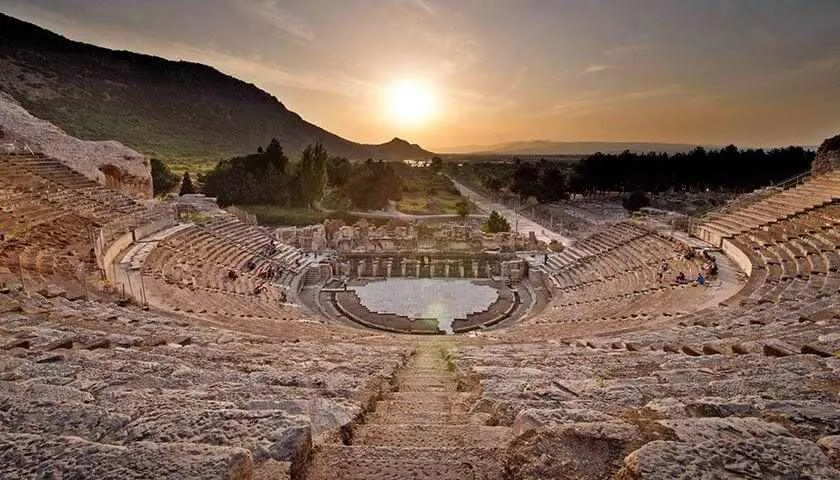
The Great Theatre of Ephesus is another highlight. Built during the Hellenistic period and expanded by the Romans, the theatre could seat up to 25,000 people. It was used for dramatic performances, gladiator contests, and public assemblies. Be sure to climb to the top for a panoramic view of the entire site.
3. The Temple of Artemis
Although only a few columns remain today, the Temple of Artemis was once one of the Seven Wonders of the Ancient World. This grand temple was dedicated to the goddess Artemis and served as a major religious center in the ancient world.
4. Curetes Street
Walking along Curetes Street is like stepping back in time. This ancient street was lined with shops, fountains, and statues, connecting the Library of Celsus to other important structures. Along the way, you’ll see various statues and monuments that provide a glimpse into daily life in ancient Ephesus.
5. The Terrace Houses
Located on the slopes of Bülbül Hill, the Terrace Houses were once home to the wealthy citizens of Ephesus. These houses feature beautifully preserved mosaics, frescoes, and private baths, offering a fascinating look into the luxurious lifestyle of Ephesus’ elite. A separate ticket (400 TRY) is required to visit the Terrace Houses, but they’re well worth the extra cost.
7. Practical Tips for Touring Ephesus
- Best Time to Visit: The best time to visit Ephesus is in the spring (April to June) or fall (September to November), when the weather is pleasant, and the crowds are smaller. Summer can be very hot, with temperatures exceeding 35°C (95°F), so be sure to bring plenty of water and sunscreen if you visit during this time.
- What to Wear: Wear comfortable shoes, as you’ll be walking on uneven terrain. Lightweight, breathable clothing is recommended, especially during the warmer months. A hat and sunglasses are also a good idea, as there is limited shade within the site.
- Bring Snacks and Water: There are limited food and drink options inside the archaeological site, so it’s a good idea to bring snacks and water with you. There are small cafes near the entrance where you can grab a quick bite before or after your tour.
- Plan for a Half-Day Visit: To fully explore Ephesus, including the Terrace Houses, you should plan to spend at least three to four hours at the site. If you’re visiting nearby attractions like the House of the Virgin Mary or the Basilica of St. John, allocate a full day.
8. Nearby Attractions
Once you’ve finished exploring Ephesus, there are several nearby attractions worth visiting:
1. The House of the Virgin Mary
Located about 9 kilometers from Ephesus, the House of the Virgin Mary is believed to be the final home of Mary, the mother of Jesus. It’s a significant pilgrimage site for Christians and offers a peaceful retreat from the bustling ruins of Ephesus.
2. Basilica of St. John
In nearby Selçuk, you can visit the Basilica of St. John, where the apostle John is said to be buried. The basilica offers panoramic views of the surrounding area and is a great spot for photos.
3. The Ephesus Museum
The Ephesus Museum in Selçuk houses many of the artifacts discovered during excavations at Ephesus, including statues, coins, and everyday objects used by the city’s inhabitants.
9. Frequently Asked Questions
Q: Can I tour Ephesus on my own? A: Yes, Ephesus is well-signposted, and you can easily tour the site on your own. There are informational boards at most of the major attractions, and you can download a map or bring a guidebook to help you navigate the site. Q: How long should I spend at Ephesus? A: Plan to spend at least three to four hours exploring Ephesus. If you want to visit the Terrace Houses and other nearby attractions, allocate a full day. Q: What’s the best time of day to visit Ephesus? A: The best time to visit is early in the morning when the site opens at 8:00 AM. This will help you avoid the crowds and the midday heat.
Conclusion
Touring Ephesus on your own is a fantastic way to explore one of the most impressive archaeological sites in the world. With its stunning ruins, rich history, and beautiful surroundings, Ephesus offers a unique glimpse into life in the ancient world. Whether you’re interested in Roman architecture, early Christianity, or simply want to experience the grandeur of this ancient city, Ephesus is a must-see destination for any traveler in Turkey. For more information on Ephesus, you can explore Wikipedia’s page on Ephesus.
Historical Background
The history of Can I tour Ephesus on my own? in Ancient Ephesus dates back to the early days of Ephesus. Archaeological evidence suggests that this aspect of Ephesian life played a crucial role in shaping the city's development and cultural identity.
Archaeological Discoveries
Recent excavations have unveiled remarkable findings related to Can I tour Ephesus on my own? in Ancient Ephesus. These discoveries provide valuable insights into how this aspect of Ephesian life evolved over time.
Cultural Significance
Understanding Can I tour Ephesus on my own? in Ancient Ephesus is crucial for appreciating the broader cultural context of ancient Ephesus. Its influence extended beyond the city walls, impacting trade, religion, and daily life.
Visitor Information
Today, visitors to Ephesus can explore the remnants of Can I tour Ephesus on my own? in Ancient Ephesus firsthand. This section provides practical information for making the most of your visit.
Preservation and Future
Ongoing conservation efforts ensure that Can I tour Ephesus on my own? in Ancient Ephesus remains preserved for future generations. Learn about the challenges and successes in maintaining this important historical site.
Frequently Asked Questions
What is the historical significance of Can I tour Ephesus on my own? in Ancient Ephesus?
The Can I tour Ephesus on my own? in Ancient Ephesus holds great historical importance in ancient Ephesus, providing valuable insights into the city's cultural and social development.
What can visitors see related to Can I tour Ephesus on my own? in Ancient Ephesus today?
Visitors to Ephesus can explore well-preserved remains and artifacts related to Can I tour Ephesus on my own? in Ancient Ephesus, offering a glimpse into the ancient world.
When is the best time to visit Can I tour Ephesus on my own? in Ancient Ephesus?
The best time to visit is during the spring (April-May) or autumn (September-October) when the weather is mild and crowds are smaller.
Frequently Asked Questions
What is the historical significance of Can I tour Ephesus on my own? in Ancient Ephesus?
The Can I tour Ephesus on my own? in Ancient Ephesus holds great historical importance in ancient Ephesus, providing valuable insights into the city's cultural and social development.
What can visitors see related to Can I tour Ephesus on my own? in Ancient Ephesus today?
Visitors to Ephesus can explore well-preserved remains and artifacts related to Can I tour Ephesus on my own? in Ancient Ephesus, offering a glimpse into the ancient world.
When is the best time to visit Can I tour Ephesus on my own? in Ancient Ephesus?
The best time to visit is during the spring (April-May) or autumn (September-October) when the weather is mild and crowds are smaller.
Frequently Asked Questions
What is the historical significance of Can I tour Ephesus on my own? in Ancient Ephesus?
The Can I tour Ephesus on my own? in Ancient Ephesus holds great historical importance in ancient Ephesus, providing valuable insights into the city's cultural and social development.
What can visitors see related to Can I tour Ephesus on my own? in Ancient Ephesus today?
Visitors to Ephesus can explore well-preserved remains and artifacts related to Can I tour Ephesus on my own? in Ancient Ephesus, offering a glimpse into the ancient world.
When is the best time to visit Can I tour Ephesus on my own? in Ancient Ephesus?
The best time to visit is during the spring (April-May) or autumn (September-October) when the weather is mild and crowds are smaller.