

Discover the Scholastikia Baths: Ephesus’ Luxury Bathhouse
Ephesus, a city renowned for its sophisticated architecture and advanced public amenities, was home to one of the most luxurious bathhouses of the Roman erathe Scholastikia Baths. These baths were more than just a place to bathe; they were a social and cultural hub, where citizens gathered to relax, converse, and enjoy the amenities of a thriving ancient city. This post delves into the history and features of the Scholastikia Baths, offering a glimpse into the luxurious lifestyle of ancient Ephesus.
1. A Center of Social Life
Built in the 1st century AD and later expanded in the 4th century, the Scholastikia Baths were among the largest and most elaborate bathhouses in Ephesus. Named after a wealthy woman named Scholastikia, who financed significant renovations, the baths included multiple rooms designed for relaxation and socializing. The Romans viewed bathing as a communal activity, and bathhouses like the Scholastikia were vital to daily life, serving as places to meet friends, conduct business, and stay updated on city affairs. What to Experience:
- A Glimpse into Roman Social Life: Learn about the cultural importance of bathhouses as community gathering spots.
- Historical Insight: Explore how the baths served as a space for relaxation and social engagement, highlighting the sophisticated lifestyle of Ephesus.
2. The Bathing Rooms: From Hot to Cold
The Scholastikia Baths featured a sequence of rooms, each designed with a specific purpose. Visitors began in the apodyterium (changing room), where they prepared for their bath. From there, they moved to the tepidarium (warm room) to acclimate their bodies. The next stop was the caldarium (hot room), which featured heated floors and walls, creating a steam-filled environment that allowed bathers to cleanse their skin and open their pores. Finally, the frigidarium (cold room) provided a refreshing plunge, concluding the bathing ritual with invigorating cold water. Key Rooms to See:
- Caldarium: A hot room with heated floors and walls, offering a steam bath experience.
- Frigidarium: The cold room where bathers took a dip to cool down, completing their visit.
- Tepidarium: A warm transition room where visitors acclimated before entering the hot bath.
3. Luxurious Design and Decor
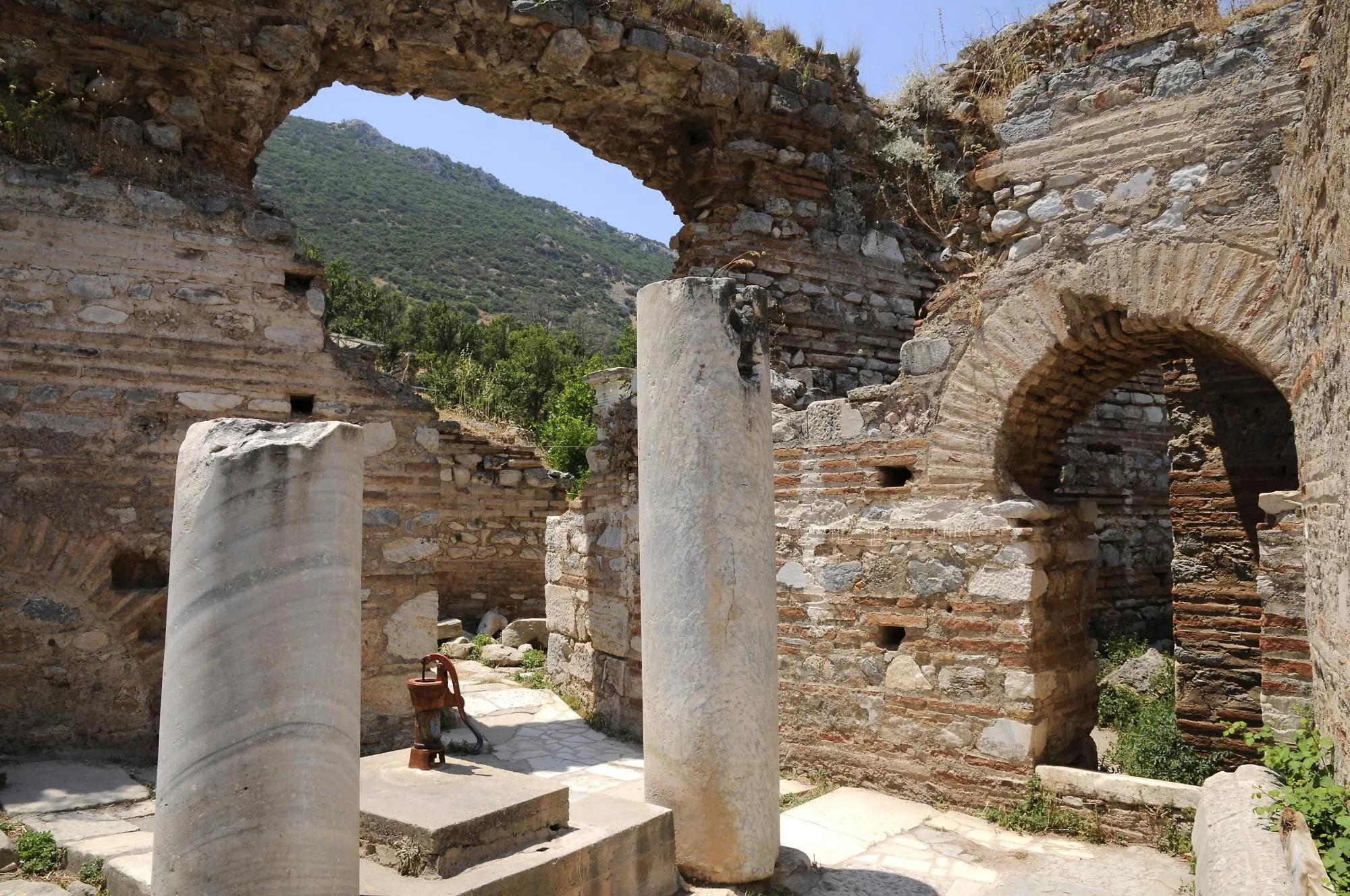
The Scholastikia Baths were built with beautiful marble, mosaics, and elaborate statues, showcasing the artistry of Roman Ephesus. The walls were adorned with colorful frescoes depicting scenes from mythology, and the floors featured intricate mosaics. Columns lined the central hallways, adding a touch of grandeur to the space. Additionally, the bathhouse utilized an advanced hypocaust system, where hot air circulated beneath the floors to provide central heating. This innovation not only enhanced comfort but also reflected the Roman mastery of engineering and architecture. Highlights:
- Mosaics and Frescoes: Enjoy the intricate artwork that decorated the walls and floors.
- Hypocaust Heating System: Learn about the advanced Roman heating technique that kept the baths warm and inviting.
- Statues and Columns: Admire the remnants of statues that once adorned the bathhouse, showcasing Roman artistic tastes.
4. Beyond Bathing: Additional Amenities
The Scholastikia Baths offered more than just bathing rooms. The complex included exercise areas (palaestra), a library, and even spaces for massages and beauty treatments. These additional amenities transformed the bathhouse into a luxurious wellness center where Ephesians could enjoy a holistic experience. The palaestra allowed visitors to engage in physical activities like wrestling and gymnastics before bathing, making the baths a center for both body and mind. Additional Amenities:
- Palaestra: An open courtyard for physical exercise and sports.
- Massage Rooms: Spaces where bathers could enjoy massages, complete with oils and treatments.
- Reading Rooms: Areas for relaxation and intellectual pursuits, with access to scrolls and texts.
Conclusion The Scholastikia Baths are a testament to the luxurious lifestyle enjoyed by the citizens of ancient Ephesus. More than just a place for bathing, this bathhouse served as a community center, a wellness retreat, and a space for relaxation and socialization. Today, visitors can walk through the remains of the Scholastikia Baths and imagine the daily life of an Ephesian, where architecture, culture, and leisure intertwined to create a sophisticated and vibrant society.
For more on Ephesus and its public amenities, visit the Wikipedia page on Ephesus.
Introduction
Discover the fascinating world of Discover the Scholastikia Baths: Ephesus’ Luxury Bathhouse in ancient Ephesus. This comprehensive guide explores the historical significance, archaeological findings, and cultural impact of this remarkable aspect of Ephesian heritage.
Historical Background
The history of Discover the Scholastikia Baths: Ephesus’ Luxury Bathhouse dates back to the early days of Ephesus. Archaeological evidence suggests that this aspect of Ephesian life played a crucial role in shaping the city's development and cultural identity.
Archaeological Discoveries
Recent excavations have unveiled remarkable findings related to Discover the Scholastikia Baths: Ephesus’ Luxury Bathhouse. These discoveries provide valuable insights into how this aspect of Ephesian life evolved over time.
Cultural Significance
Understanding Discover the Scholastikia Baths: Ephesus’ Luxury Bathhouse is crucial for appreciating the broader cultural context of ancient Ephesus. Its influence extended beyond the city walls, impacting trade, religion, and daily life.
Visitor Information
Today, visitors to Ephesus can explore the remnants of Discover the Scholastikia Baths: Ephesus’ Luxury Bathhouse firsthand. This section provides practical information for making the most of your visit.
Preservation and Future
Ongoing conservation efforts ensure that Discover the Scholastikia Baths: Ephesus’ Luxury Bathhouse remains preserved for future generations. Learn about the challenges and successes in maintaining this important historical site.
Frequently Asked Questions
What is the historical significance of Discover the Scholastikia Baths: Ephesus’ Luxury Bathhouse?
The Discover the Scholastikia Baths: Ephesus’ Luxury Bathhouse holds great historical importance in ancient Ephesus, providing valuable insights into the city's cultural and social development.
What can visitors see related to Discover the Scholastikia Baths: Ephesus’ Luxury Bathhouse today?
Visitors to Ephesus can explore well-preserved remains and artifacts related to Discover the Scholastikia Baths: Ephesus’ Luxury Bathhouse, offering a glimpse into the ancient world.
When is the best time to visit Discover the Scholastikia Baths: Ephesus’ Luxury Bathhouse?
The best time to visit is during the spring (April-May) or autumn (September-October) when the weather is mild and crowds are smaller.
Frequently Asked Questions
What is the historical significance of Discover the Scholastikia Baths: Ephesus’ Luxury Bathhouse?
The Discover the Scholastikia Baths: Ephesus’ Luxury Bathhouse holds great historical importance in ancient Ephesus, providing valuable insights into the city's cultural and social development.
What can visitors see related to Discover the Scholastikia Baths: Ephesus’ Luxury Bathhouse today?
Visitors to Ephesus can explore well-preserved remains and artifacts related to Discover the Scholastikia Baths: Ephesus’ Luxury Bathhouse, offering a glimpse into the ancient world.
When is the best time to visit Discover the Scholastikia Baths: Ephesus’ Luxury Bathhouse?
The best time to visit is during the spring (April-May) or autumn (September-October) when the weather is mild and crowds are smaller.
Frequently Asked Questions
What is the historical significance of Discover the Scholastikia Baths: Ephesus’ Luxury Bathhouse?
The Discover the Scholastikia Baths: Ephesus’ Luxury Bathhouse holds great historical importance in ancient Ephesus, providing valuable insights into the city's cultural and social development.
What can visitors see related to Discover the Scholastikia Baths: Ephesus’ Luxury Bathhouse today?
Visitors to Ephesus can explore well-preserved remains and artifacts related to Discover the Scholastikia Baths: Ephesus’ Luxury Bathhouse, offering a glimpse into the ancient world.
When is the best time to visit Discover the Scholastikia Baths: Ephesus’ Luxury Bathhouse?
The best time to visit is during the spring (April-May) or autumn (September-October) when the weather is mild and crowds are smaller.