

Discovering the Sacred Spaces of Ephesus
Explore the sacred spaces of Ephesus, including ancient temples, churches, and sites of religious significance. Discover the rich spiritual heritage of this iconic city. Ephesus, renowned for its magnificent ruins and rich history, is also a city steeped in spirituality and religious significance. From the grand temples dedicated to ancient deities to the early Christian churches, Ephesus is home to a variety of sacred spaces that reflect the diverse beliefs of its inhabitants throughout the ages. This guide will take you on a journey to discover the sacred spaces of Ephesus, exploring their significance and the stories they tell.
1. The Temple of Artemis
Overview: The Temple of Artemis, one of the Seven Wonders of the Ancient World, was dedicated to the goddess Artemis, the protector of the city and its people.
Significance:
- Religious Center: The temple served as a major pilgrimage site, attracting worshippers from across the Mediterranean who sought the favor of Artemis for fertility, prosperity, and protection.
- Cultural Impact: As a symbol of Ephesus's wealth and devotion, the temple played a vital role in the city’s identity and was a focal point of local festivals and religious ceremonies.
Current State:
- Although only a few columns and ruins remain today, the site continues to attract visitors eager to connect with its historical and spiritual heritage.
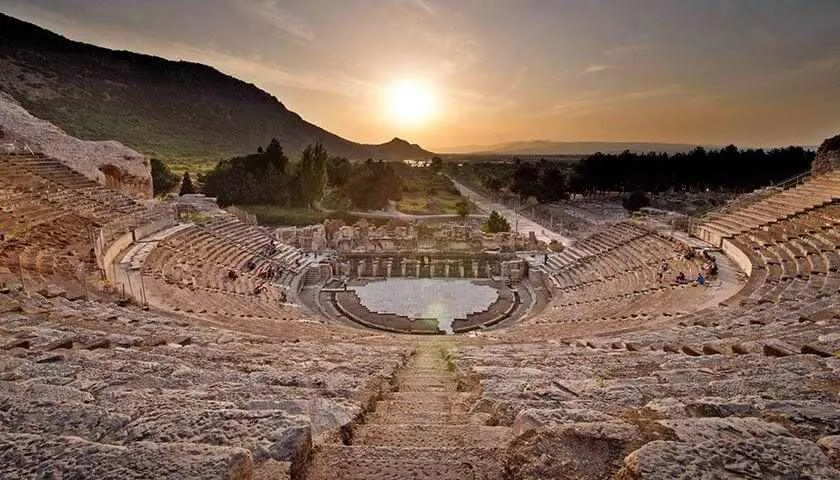
2. The Great Theatre
Overview: While primarily known for its entertainment functions, the Great Theatre also held religious significance.
Significance:
- Public Gatherings: The theatre was a venue for public assemblies and events, including discussions on religious matters, showcasing the interplay between culture and faith in Ephesus.
- Performances: Religious dramas and performances dedicated to deities were staged here, further solidifying the theatre's role in the spiritual life of the city.
Photography Tips:
- Capture the theatre’s grandeur from different angles, especially during sunset, to highlight its architectural beauty against the sky.
3. The Basilica of St. John
Overview: This basilica was built in the 6th century CE over the purported burial site of John the Apostle, a significant figure in early Christianity.
Significance:
- Christian Heritage: The basilica symbolizes the importance of Ephesus in the early Christian church, serving as a major center of Christian worship and pilgrimage.
- Pilgrimage Site: It became a significant destination for Christians seeking to honor St. John and explore the roots of their faith.
Features:
- The remains of the basilica include a grand entrance, a baptistery, and intricate mosaics that showcase early Christian artistry.
4. The House of the Virgin Mary
Overview: Located on the slopes of Mount Koressos, this site is believed to be the last residence of Mary, mother of Jesus.
Significance:
- Spiritual Importance: Recognized by both the Catholic and Orthodox churches, it attracts pilgrims from around the world who come to honor Mary’s legacy and seek spiritual solace.
- Historical Context: The site is often linked to early Christian history, as it is believed that John the Apostle brought Mary to Ephesus after the crucifixion of Jesus.
Visitor Experience:
- The site features a chapel, prayer area, and beautiful gardens, providing a peaceful atmosphere for reflection and worship.
5. The Temple of Domitian
Overview: This temple was dedicated to the Roman Emperor Domitian and served as a place of worship for the imperial cult.
Significance:
- Emperor Worship: The temple reflected the political power of the Roman Empire, where citizens were expected to show reverence to the emperor as a deity.
- Civic Rituals: It played a role in the religious and civic life of Ephesus, where rituals dedicated to Domitian were performed.
Current State:
- Although in ruins, the site remains a significant testament to the fusion of politics and religion in ancient Rome.
6. The Agora
Overview: The Agora served as the commercial and civic center of Ephesus but also had religious significance.
Significance:
- Public Worship: The Agora was a place for public gatherings and discussions, including those related to religious matters.
- Civic and Religious Activities: It hosted various ceremonies and events, blending economic and spiritual life in Ephesus.
Conclusion
Ephesus is a city rich in sacred spaces that reflect its diverse spiritual heritage. From the grandeur of the Temple of Artemis to the solemnity of the Basilica of St. John and the peace of the House of the Virgin Mary, each site tells a unique story of faith and devotion. Exploring these sacred spaces allows visitors to connect with the profound history of Ephesus and appreciate the interplay between religion and daily life in this remarkable ancient city. Whether you are seeking spiritual inspiration or simply wishing to explore the historical significance of these sites, Ephesus offers a journey through time that resonates with the enduring power of belief.
Introduction
Discover the fascinating world of Discovering the Sacred Spaces of Ephesus in ancient Ephesus. This comprehensive guide explores the historical significance, archaeological findings, and cultural impact of this remarkable aspect of Ephesian heritage.
Historical Background
The history of Discovering the Sacred Spaces of Ephesus dates back to the early days of Ephesus. Archaeological evidence suggests that this aspect of Ephesian life played a crucial role in shaping the city's development and cultural identity.
Archaeological Discoveries
Recent excavations have unveiled remarkable findings related to Discovering the Sacred Spaces of Ephesus. These discoveries provide valuable insights into how this aspect of Ephesian life evolved over time.
Cultural Significance
Understanding Discovering the Sacred Spaces of Ephesus is crucial for appreciating the broader cultural context of ancient Ephesus. Its influence extended beyond the city walls, impacting trade, religion, and daily life.
Visitor Information
Today, visitors to Ephesus can explore the remnants of Discovering the Sacred Spaces of Ephesus firsthand. This section provides practical information for making the most of your visit.
Preservation and Future
Ongoing conservation efforts ensure that Discovering the Sacred Spaces of Ephesus remains preserved for future generations. Learn about the challenges and successes in maintaining this important historical site.
Frequently Asked Questions
What is the historical significance of Discovering the Sacred Spaces of Ephesus?
The Discovering the Sacred Spaces of Ephesus holds great historical importance in ancient Ephesus, providing valuable insights into the city's cultural and social development.
What can visitors see related to Discovering the Sacred Spaces of Ephesus today?
Visitors to Ephesus can explore well-preserved remains and artifacts related to Discovering the Sacred Spaces of Ephesus, offering a glimpse into the ancient world.
When is the best time to visit Discovering the Sacred Spaces of Ephesus?
The best time to visit is during the spring (April-May) or autumn (September-October) when the weather is mild and crowds are smaller.
Frequently Asked Questions
What is the historical significance of Discovering the Sacred Spaces of Ephesus?
The Discovering the Sacred Spaces of Ephesus holds great historical importance in ancient Ephesus, providing valuable insights into the city's cultural and social development.
What can visitors see related to Discovering the Sacred Spaces of Ephesus today?
Visitors to Ephesus can explore well-preserved remains and artifacts related to Discovering the Sacred Spaces of Ephesus, offering a glimpse into the ancient world.
When is the best time to visit Discovering the Sacred Spaces of Ephesus?
The best time to visit is during the spring (April-May) or autumn (September-October) when the weather is mild and crowds are smaller.
Frequently Asked Questions
What is the historical significance of Discovering the Sacred Spaces of Ephesus?
The Discovering the Sacred Spaces of Ephesus holds great historical importance in ancient Ephesus, providing valuable insights into the city's cultural and social development.
What can visitors see related to Discovering the Sacred Spaces of Ephesus today?
Visitors to Ephesus can explore well-preserved remains and artifacts related to Discovering the Sacred Spaces of Ephesus, offering a glimpse into the ancient world.
When is the best time to visit Discovering the Sacred Spaces of Ephesus?
The best time to visit is during the spring (April-May) or autumn (September-October) when the weather is mild and crowds are smaller.