

Exploring the Ancient Markets of Ephesus: Trade and Commerce
Discover the ancient markets of Ephesus and their significance in trade and commerce. Explore how these bustling hubs shaped the economy and daily life in this iconic city. Ephesus, once a thriving metropolis of the ancient world, was not only known for its stunning architecture and religious significance but also for its bustling markets that served as centers of trade and commerce. These markets played a crucial role in the city's economy, connecting it to distant lands and cultures. This guide will explore the ancient markets of Ephesus, their significance, and the impact they had on the daily lives of its inhabitants.
1. The Agora: Heart of Ephesus' Commerce
Overview: The Agora of Ephesus served as the main marketplace and public space where citizens gathered for trade, socializing, and civic activities.
Significance:
- Commercial Hub: The Agora was the center of economic life in Ephesus, bustling with merchants selling a variety of goods, including textiles, pottery, food, and luxury items.
- Civic Space: It was also a place for public meetings, political discussions, and social interactions, reflecting the vibrant community life in Ephesus.
Key Features:
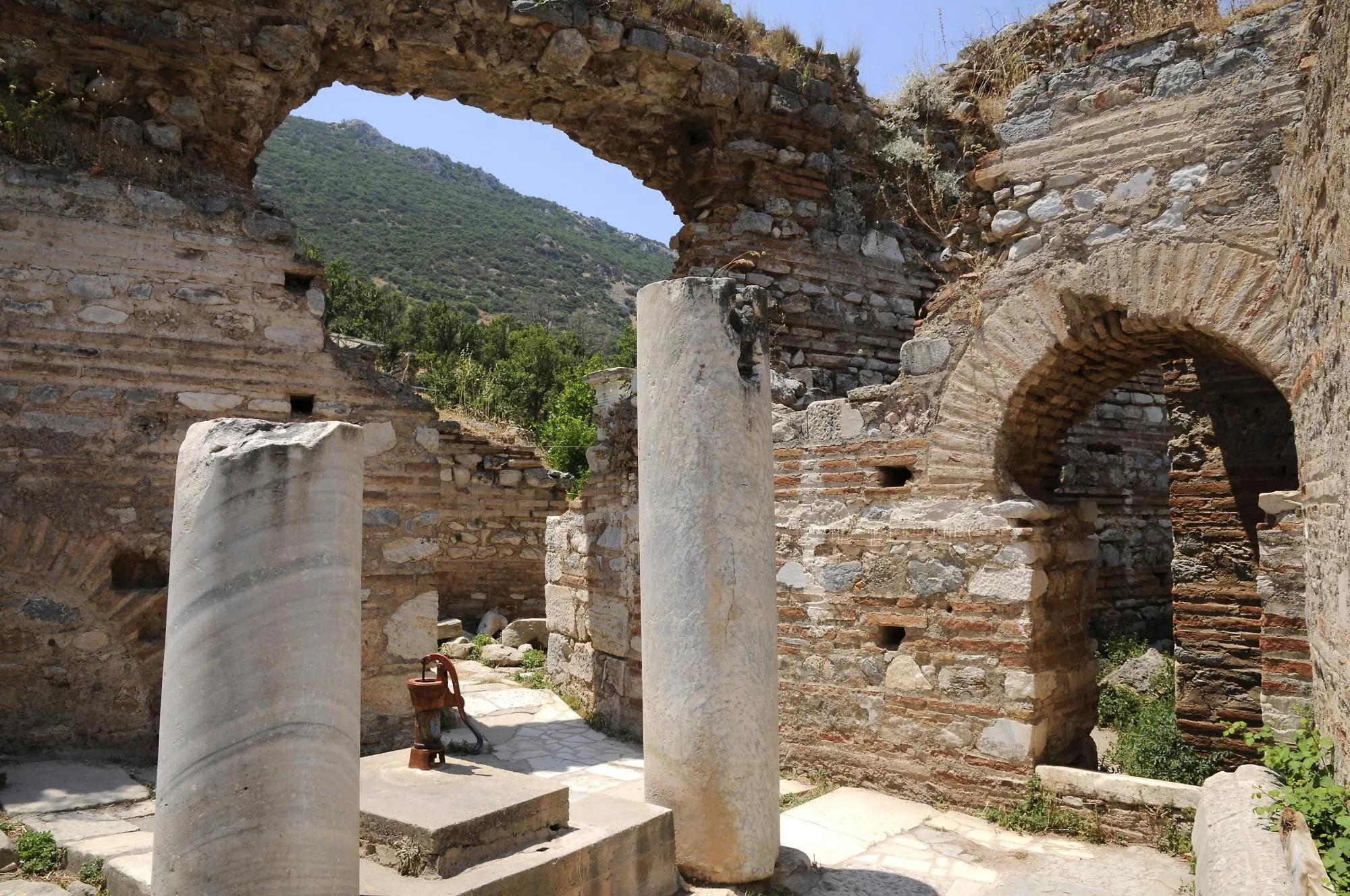
- Architectural Design: The Agora featured colonnaded porticos, providing shade and shelter for shoppers and traders. The layout included shops, stalls, and open spaces for gathering.
- Market Stalls: Archaeological evidence suggests that various stalls were set up for selling goods, with merchants displaying their wares for potential buyers.
2. The Commercial Agora
Overview: Adjacent to the main Agora, the Commercial Agora focused specifically on trade and commerce.
Significance:
- Economic Activities: This area facilitated a wide range of commercial activities, including the exchange of goods and services, and served as a marketplace for local artisans and traders.
- Cultural Exchange: The Commercial Agora was a melting pot of cultures, with merchants from various regions trading goods, which fostered cultural exchanges and interactions.
Key Features:
- Columns and Shops: The architectural design included rows of shops lined with columns, providing an organized space for traders.
- Marketplace Atmosphere: The vibrant atmosphere of the Commercial Agora was filled with the sounds of bargaining, the scents of spices, and the colors of textiles, creating a lively environment.
3. Trade Goods and Economic Influence
Overview: The markets of Ephesus were not just places of commerce; they were vital to the city’s economy and influenced trade networks throughout the ancient world.
Types of Goods:
- Local Products: Ephesus produced a variety of goods, including olive oil, wine, and textiles, which were sold in the markets and exported to other regions.
- Imported Goods: The city’s strategic location along trade routes allowed for the importation of luxury items such as silks, spices, and precious metals from distant lands like Persia and Egypt.
Economic Impact:
- Wealth Generation: The flourishing trade contributed significantly to the wealth of Ephesus, enabling the construction of monumental buildings and the development of public amenities.
- Cultural Exchange: The diverse range of goods available in the markets facilitated cultural exchange and interactions between different civilizations, enriching the social fabric of Ephesus.
4. Social Aspects of the Markets
Overview: The ancient markets of Ephesus were more than just places to buy and sell; they were central to the social life of the city.
Community Gathering:
- Social Interactions: The markets served as meeting places for citizens, where they could socialize, discuss politics, and share news. The Agora was a focal point for community life.
- Festivals and Events: Special events, festivals, and public announcements often took place in the marketplace, drawing crowds and fostering a sense of community.
Cultural Activities:
- Artisans and Craftsmen: Local artisans showcased their skills in the markets, selling handmade goods and crafts. This provided a platform for creative expression and cultural pride.
- Entertainment: The bustling atmosphere often included entertainment, such as street performers, musicians, and storytellers, adding to the vibrant cultural life.
5. Legacy of Ephesus’ Markets
Overview: The ancient markets of Ephesus left a lasting legacy that extends beyond their historical context.
Archaeological Discoveries:
- Excavations: Archaeological excavations have uncovered remnants of the Agora and market stalls, providing insights into the commercial practices and daily life of ancient Ephesians.
- Preservation of History: The ongoing study of these sites helps historians understand the economic, social, and cultural dynamics of Ephesus in its heyday.
Modern Influence:
- Cultural Heritage: The markets of Ephesus have influenced modern marketplaces in Turkey and beyond, reflecting the enduring significance of trade and commerce in human civilization.
- Tourism: Today, the ruins of Ephesus attract millions of visitors, offering a glimpse into the bustling life of the ancient city and its markets.
Conclusion
Exploring the ancient markets of Ephesus reveals a rich tapestry of trade, commerce, and social life that was integral to the city's identity. From the vibrant Agora to the diverse range of goods traded, these markets were not only economic hubs but also vital social spaces that fostered community and cultural exchange. Understanding the significance of these ancient markets enhances the appreciation of Ephesus as a remarkable center of civilization in the ancient world. As you visit Ephesus, take a moment to imagine the bustling life that once filled these spaces, connecting the past to the present.
Introduction
Discover the fascinating world of Exploring the Ancient Markets of Ephesus: Trade and Commerce in ancient Ephesus. This comprehensive guide explores the historical significance, archaeological findings, and cultural impact of this remarkable aspect of Ephesian heritage.
Historical Background
The history of Exploring the Ancient Markets of Ephesus: Trade and Commerce dates back to the early days of Ephesus. Archaeological evidence suggests that this aspect of Ephesian life played a crucial role in shaping the city's development and cultural identity.
Cultural Significance
Understanding Exploring the Ancient Markets of Ephesus: Trade and Commerce is crucial for appreciating the broader cultural context of ancient Ephesus. Its influence extended beyond the city walls, impacting trade, religion, and daily life.
Visitor Information
Today, visitors to Ephesus can explore the remnants of Exploring the Ancient Markets of Ephesus: Trade and Commerce firsthand. This section provides practical information for making the most of your visit.
Preservation and Future
Ongoing conservation efforts ensure that Exploring the Ancient Markets of Ephesus: Trade and Commerce remains preserved for future generations. Learn about the challenges and successes in maintaining this important historical site.
Frequently Asked Questions
What is the historical significance of Exploring the Ancient Markets of Ephesus: Trade and Commerce?
The Exploring the Ancient Markets of Ephesus: Trade and Commerce holds great historical importance in ancient Ephesus, providing valuable insights into the city's cultural and social development.
What can visitors see related to Exploring the Ancient Markets of Ephesus: Trade and Commerce today?
Visitors to Ephesus can explore well-preserved remains and artifacts related to Exploring the Ancient Markets of Ephesus: Trade and Commerce, offering a glimpse into the ancient world.
When is the best time to visit Exploring the Ancient Markets of Ephesus: Trade and Commerce?
The best time to visit is during the spring (April-May) or autumn (September-October) when the weather is mild and crowds are smaller.
Frequently Asked Questions
What is the historical significance of Exploring the Ancient Markets of Ephesus: Trade and Commerce?
The Exploring the Ancient Markets of Ephesus: Trade and Commerce holds great historical importance in ancient Ephesus, providing valuable insights into the city's cultural and social development.
What can visitors see related to Exploring the Ancient Markets of Ephesus: Trade and Commerce today?
Visitors to Ephesus can explore well-preserved remains and artifacts related to Exploring the Ancient Markets of Ephesus: Trade and Commerce, offering a glimpse into the ancient world.
When is the best time to visit Exploring the Ancient Markets of Ephesus: Trade and Commerce?
The best time to visit is during the spring (April-May) or autumn (September-October) when the weather is mild and crowds are smaller.
Frequently Asked Questions
What is the historical significance of Exploring the Ancient Markets of Ephesus: Trade and Commerce?
The Exploring the Ancient Markets of Ephesus: Trade and Commerce holds great historical importance in ancient Ephesus, providing valuable insights into the city's cultural and social development.
What can visitors see related to Exploring the Ancient Markets of Ephesus: Trade and Commerce today?
Visitors to Ephesus can explore well-preserved remains and artifacts related to Exploring the Ancient Markets of Ephesus: Trade and Commerce, offering a glimpse into the ancient world.
When is the best time to visit Exploring the Ancient Markets of Ephesus: Trade and Commerce?
The best time to visit is during the spring (April-May) or autumn (September-October) when the weather is mild and crowds are smaller.