

Exploring the Temple of Artemis: A Wonder of the Ancient ...
The Temple of Artemis, also known as the Artemision, was one of the Seven Wonders of the Ancient World, drawing visitors from across the Mediterranean. Located in Ephesus, this grand temple was dedicated to Artemis, the goddess of the hunt, fertility, and protection. Although little remains of the structure today, its legacy endures as a symbol of ancient architectural brilliance and religious devotion. This post delves into the history, design, and cultural significance of the Temple of Artemis, exploring why it was celebrated as one of the ancient world’s greatest wonders.
1. The History and Significance of the Temple
Built around 550 BC with the support of King Croesus of Lydia, the Temple of Artemis was an immense structure that stood out for its size and beauty. The temple was constructed on marshy ground to protect it from earthquakes, showcasing the ingenuity of its architects. The Ephesians revered Artemis as their protector and patron, and her temple became a central part of the city’s identity. It wasn’t just a religious site—it was also a cultural and economic hub, where festivals, ceremonies, and trade flourished. Over the centuries, the temple was destroyed and rebuilt multiple times. The most famous reconstruction occurred after it was burned down by Herostratus in 356 BC, a fire set deliberately to achieve infamy. The temple was later rebuilt with the support of Alexander the Great, further cementing its reputation as a symbol of resilience and devotion.
2. Architectural Marvel
The Temple of Artemis was an architectural feat, with more than 120 marble columns standing 18 meters high. Each column was intricately carved, featuring ornate designs and reliefs that added to the temple’s grandeur. The structure measured approximately 110 meters in length and 55 meters in width, making it one of the largest temples of the ancient world. The interior of the temple was equally impressive, with a central statue of Artemis adorned in elaborate garments, symbolizing fertility and abundance. Artisans from across the ancient world contributed to the temple’s decorative elements, including gilded sculptures, frescoes, and reliefs depicting scenes from mythology. The blend of artistry and engineering made the Temple of Artemis a true wonder, admired by all who visited.
3. Cultural and Religious Impact
The Temple of Artemis wasn’t just a place of worship; it was also a vital part of the community. Every year, the city held grand festivals in honor of Artemis, featuring processions, music, and athletic competitions. Pilgrims and travelers came from distant lands to pay homage to the goddess, and merchants gathered to trade goods. The temple served as a bank and a sanctuary, reflecting its central role in both the spiritual and economic life of Ephesus. The influence of the Temple of Artemis extended beyond Ephesus. Her worship spread throughout the ancient Mediterranean, and Artemis became associated with other deities, such as the Roman Diana. This connection between different cultural beliefs highlights the temple’s role as a bridge between various ancient traditions.
4. The Temple’s Decline and Legacy
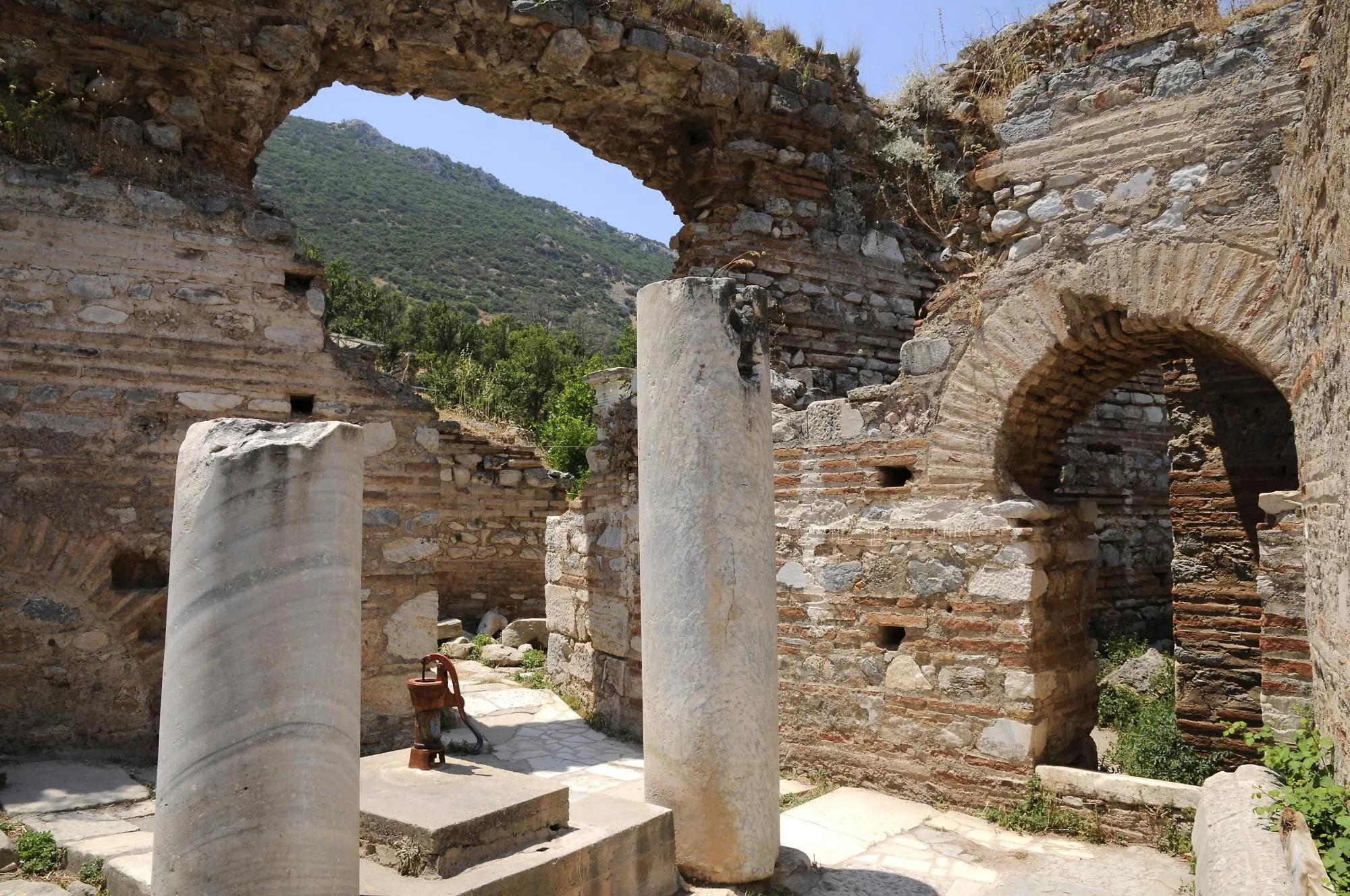
The decline of the Temple of Artemis began in the 3rd century AD when it was destroyed by the Goths. Although it was rebuilt again, the spread of Christianity in the region eventually led to its abandonment. By the end of the Roman Empire, the temple fell into ruin, and its stones were repurposed for other buildings. Today, only a single column and a few scattered remnants remain at the site. However, the temple’s legacy endures, inspiring awe and fascination. Its influence can be seen in literature, art, and architecture, reminding us of a time when it stood as one of the greatest wonders of the ancient world. Conclusion The Temple of Artemis was more than a magnificent structure; it was a testament to the artistry, faith, and resilience of the people of Ephesus. Although little remains of the temple today, its story continues to captivate those who seek to understand the ancient world. By exploring its history and marveling at its legacy, visitors can connect with the spirit of Ephesus and the cultural richness that made the Temple of Artemis a true wonder.
For more information on the Temple of Artemis, visit the Wikipedia page on the Temple of Artemis.
Introduction
Discover the fascinating world of Exploring the Temple of Artemis: A Wonder of the Ancient ... in ancient Ephesus. This comprehensive guide explores the historical significance, archaeological findings, and cultural impact of this remarkable aspect of Ephesian heritage.
Historical Background
The history of Exploring the Temple of Artemis: A Wonder of the Ancient ... dates back to the early days of Ephesus. Archaeological evidence suggests that this aspect of Ephesian life played a crucial role in shaping the city's development and cultural identity.
Archaeological Discoveries
Recent excavations have unveiled remarkable findings related to Exploring the Temple of Artemis: A Wonder of the Ancient .... These discoveries provide valuable insights into how this aspect of Ephesian life evolved over time.
Cultural Significance
Understanding Exploring the Temple of Artemis: A Wonder of the Ancient ... is crucial for appreciating the broader cultural context of ancient Ephesus. Its influence extended beyond the city walls, impacting trade, religion, and daily life.
Visitor Information
Today, visitors to Ephesus can explore the remnants of Exploring the Temple of Artemis: A Wonder of the Ancient ... firsthand. This section provides practical information for making the most of your visit.
Preservation and Future
Ongoing conservation efforts ensure that Exploring the Temple of Artemis: A Wonder of the Ancient ... remains preserved for future generations. Learn about the challenges and successes in maintaining this important historical site.
Frequently Asked Questions
What is the historical significance of Exploring the Temple of Artemis: A Wonder of the Ancient ...?
The Exploring the Temple of Artemis: A Wonder of the Ancient ... holds great historical importance in ancient Ephesus, providing valuable insights into the city's cultural and social development.
What can visitors see related to Exploring the Temple of Artemis: A Wonder of the Ancient ... today?
Visitors to Ephesus can explore well-preserved remains and artifacts related to Exploring the Temple of Artemis: A Wonder of the Ancient ..., offering a glimpse into the ancient world.
When is the best time to visit Exploring the Temple of Artemis: A Wonder of the Ancient ...?
The best time to visit is during the spring (April-May) or autumn (September-October) when the weather is mild and crowds are smaller.
Frequently Asked Questions
What is the historical significance of Exploring the Temple of Artemis: A Wonder of the Ancient ...?
The Exploring the Temple of Artemis: A Wonder of the Ancient ... holds great historical importance in ancient Ephesus, providing valuable insights into the city's cultural and social development.
What can visitors see related to Exploring the Temple of Artemis: A Wonder of the Ancient ... today?
Visitors to Ephesus can explore well-preserved remains and artifacts related to Exploring the Temple of Artemis: A Wonder of the Ancient ..., offering a glimpse into the ancient world.
When is the best time to visit Exploring the Temple of Artemis: A Wonder of the Ancient ...?
The best time to visit is during the spring (April-May) or autumn (September-October) when the weather is mild and crowds are smaller.
Frequently Asked Questions
What is the historical significance of Exploring the Temple of Artemis: A Wonder of the Ancient ...?
The Exploring the Temple of Artemis: A Wonder of the Ancient ... holds great historical importance in ancient Ephesus, providing valuable insights into the city's cultural and social development.
What can visitors see related to Exploring the Temple of Artemis: A Wonder of the Ancient ... today?
Visitors to Ephesus can explore well-preserved remains and artifacts related to Exploring the Temple of Artemis: A Wonder of the Ancient ..., offering a glimpse into the ancient world.
When is the best time to visit Exploring the Temple of Artemis: A Wonder of the Ancient ...?
The best time to visit is during the spring (April-May) or autumn (September-October) when the weather is mild and crowds are smaller.