

The Basilica of St. John: A Meeting Point of Roman Archit...
The Basilica of St. John, located near the ancient city of Ephesus, is a fascinating blend of architectural styles and spiritual heritage. Constructed in the 6th century by the Byzantine Emperor Justinian, the basilica was built over the supposed tomb of St. John the Apostle. While it primarily reflects the Byzantine architectural style, elements of Roman influence are evident throughout the structure. This post explores the architectural significance of the basilica and its role as a spiritual landmark that attracts pilgrims and history enthusiasts alike.
1. The Basilica’s Roman-Influenced Design
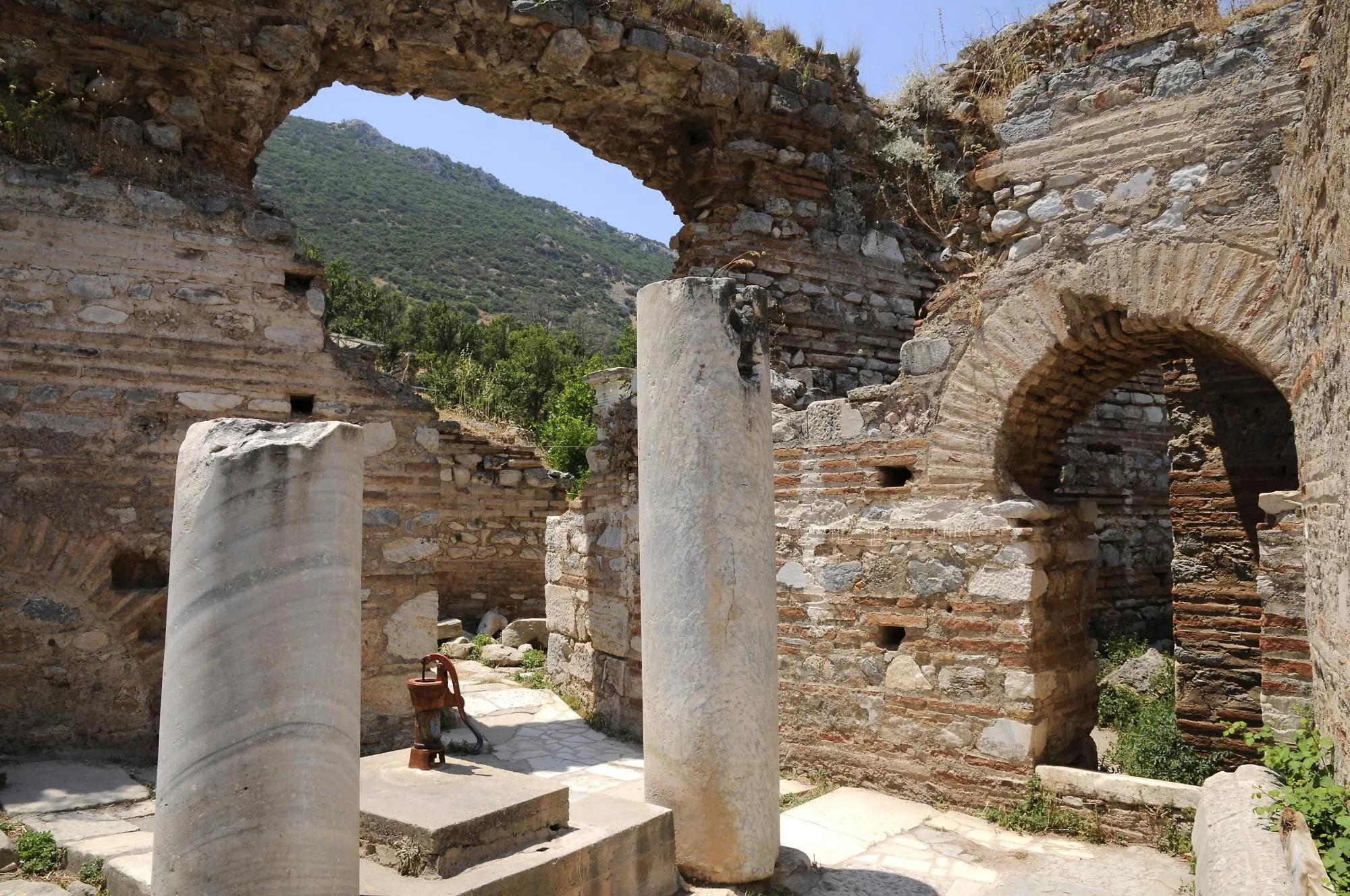
The Basilica of St. John, with its grand, cruciform layout and majestic arches, was inspired by Roman architectural traditions. Though built during the Byzantine period, the basilica incorporates features such as Roman-style arches, large columns, and the use of marble and brick, showcasing the continued influence of Roman engineering. These elements give the basilica a sense of durability and grandeur, reflecting the lasting legacy of Roman architectural principles. Key Architectural Elements:
- Roman Arches: The basilica’s arches, used in its main entrances and windows, reflect the Romans' advanced knowledge of engineering.
- Masonry Work: The combination of brick and marble exemplifies the Roman technique of using durable materials to create structures meant to withstand the test of time.
2. The Basilica’s Byzantine Features
While the basilica incorporates Roman elements, its overall design is distinctly Byzantine. The layout follows a cruciform plan, with domed roofs and a central nave surrounded by columns. These features reflect the Byzantine architectural style that emphasized verticality and the symbolic use of light. The basilica was designed to accommodate large gatherings of worshipers, with wide aisles and high ceilings that created an open and inviting space for religious ceremonies. Notable Byzantine Features:
- Central Dome: A signature of Byzantine architecture, the central dome would have allowed light to filter in, illuminating the interior.
- Decorative Mosaics: Although much of the original decoration has faded, remnants of mosaics suggest a richly adorned interior typical of Byzantine religious structures.
3. The Tomb of St. John: A Pilgrimage Site
According to tradition, the tomb of St. John lies beneath the basilica, making it a site of great spiritual significance. St. John, one of Jesus’ closest disciples, is believed to have spent his final years in Ephesus, where he spread the message of Christianity. The basilica became an important pilgrimage destination, drawing visitors from across the Christian world. The tomb, marked by a marble slab, remains a focal point for visitors who come to pay their respects and connect with the early history of Christianity. What to See at the Tomb:
- The Central Apse: The area around the tomb, marked by columns, provides a solemn space for reflection and prayer.
- Marble Slab Marker: The simple, elegant marker of St. John’s tomb serves as a reminder of his role in spreading Christianity in the ancient world.
4. A Legacy of Religious and Cultural Fusion
The Basilica of St. John represents more than just a place of worship; it is a testament to the fusion of Roman and Byzantine architectural styles and the merging of cultures in Ephesus. The basilica’s construction by Justinian reflects the Byzantine Empire’s commitment to Christianity, while its Roman elements showcase the city’s rich cultural heritage. This blending of styles makes the basilica a unique historical site that illustrates the evolution of architecture and the lasting influence of both empires on the region. Highlights of Cultural Fusion:
- Adaptation of Roman Engineering: Use of arches and masonry techniques that were hallmarks of Roman architecture.
- Byzantine Artistic Flourishes: Elements like mosaics and cross-shaped designs that underscore the spiritual and aesthetic values of the Byzantine period.
Conclusion The Basilica of St. John is a remarkable structure that reflects the architectural and cultural legacy of both the Roman and Byzantine empires. Its design, combining elements from both traditions, serves as a meeting point of history, art, and spirituality. As visitors explore the basilica, they can connect with the legacy of St. John and the rich architectural heritage that defines Ephesus, gaining a deeper appreciation for the city’s role as a bridge between ancient worlds.
For more on the history and significance of Ephesus, visit the Wikipedia page on Ephes
Introduction
Discover the fascinating world of The Basilica of St. John: A Meeting Point of Roman Archit... in ancient Ephesus. This comprehensive guide explores the historical significance, archaeological findings, and cultural impact of this remarkable aspect of Ephesian heritage.
Historical Background
The history of The Basilica of St. John: A Meeting Point of Roman Archit... dates back to the early days of Ephesus. Archaeological evidence suggests that this aspect of Ephesian life played a crucial role in shaping the city's development and cultural identity.
Archaeological Discoveries
Recent excavations have unveiled remarkable findings related to The Basilica of St. John: A Meeting Point of Roman Archit.... These discoveries provide valuable insights into how this aspect of Ephesian life evolved over time.
Cultural Significance
Understanding The Basilica of St. John: A Meeting Point of Roman Archit... is crucial for appreciating the broader cultural context of ancient Ephesus. Its influence extended beyond the city walls, impacting trade, religion, and daily life.
Visitor Information
Today, visitors to Ephesus can explore the remnants of The Basilica of St. John: A Meeting Point of Roman Archit... firsthand. This section provides practical information for making the most of your visit.
Preservation and Future
Ongoing conservation efforts ensure that The Basilica of St. John: A Meeting Point of Roman Archit... remains preserved for future generations. Learn about the challenges and successes in maintaining this important historical site.
Frequently Asked Questions
What is the historical significance of The Basilica of St. John: A Meeting Point of Roman Archit...?
The The Basilica of St. John: A Meeting Point of Roman Archit... holds great historical importance in ancient Ephesus, providing valuable insights into the city's cultural and social development.
What can visitors see related to The Basilica of St. John: A Meeting Point of Roman Archit... today?
Visitors to Ephesus can explore well-preserved remains and artifacts related to The Basilica of St. John: A Meeting Point of Roman Archit..., offering a glimpse into the ancient world.
When is the best time to visit The Basilica of St. John: A Meeting Point of Roman Archit...?
The best time to visit is during the spring (April-May) or autumn (September-October) when the weather is mild and crowds are smaller.
Frequently Asked Questions
What is the historical significance of The Basilica of St. John: A Meeting Point of Roman Archit...?
The The Basilica of St. John: A Meeting Point of Roman Archit... holds great historical importance in ancient Ephesus, providing valuable insights into the city's cultural and social development.
What can visitors see related to The Basilica of St. John: A Meeting Point of Roman Archit... today?
Visitors to Ephesus can explore well-preserved remains and artifacts related to The Basilica of St. John: A Meeting Point of Roman Archit..., offering a glimpse into the ancient world.
When is the best time to visit The Basilica of St. John: A Meeting Point of Roman Archit...?
The best time to visit is during the spring (April-May) or autumn (September-October) when the weather is mild and crowds are smaller.
Frequently Asked Questions
What is the historical significance of The Basilica of St. John: A Meeting Point of Roman Archit...?
The The Basilica of St. John: A Meeting Point of Roman Archit... holds great historical importance in ancient Ephesus, providing valuable insights into the city's cultural and social development.
What can visitors see related to The Basilica of St. John: A Meeting Point of Roman Archit... today?
Visitors to Ephesus can explore well-preserved remains and artifacts related to The Basilica of St. John: A Meeting Point of Roman Archit..., offering a glimpse into the ancient world.
When is the best time to visit The Basilica of St. John: A Meeting Point of Roman Archit...?
The best time to visit is during the spring (April-May) or autumn (September-October) when the weather is mild and crowds are smaller.