

The Cultural Heritage of Ephesus: What to See and Do
Discover the cultural heritage of Ephesus, including its ancient ruins, museums, and activities that highlight the city’s rich history. Explore the best sites to visit and experiences to enjoy in this iconic destination. Ephesus, a UNESCO World Heritage Site, is one of the best-preserved ancient cities in the world, offering a wealth of cultural heritage for visitors to explore. From its stunning ruins and historical sites to its vibrant local culture, Ephesus provides a unique opportunity to step back in time and experience the splendor of ancient civilizations. Here’s a guide to the cultural heritage of Ephesus, including what to see and do during your visit.
1. Explore the Ancient Ruins
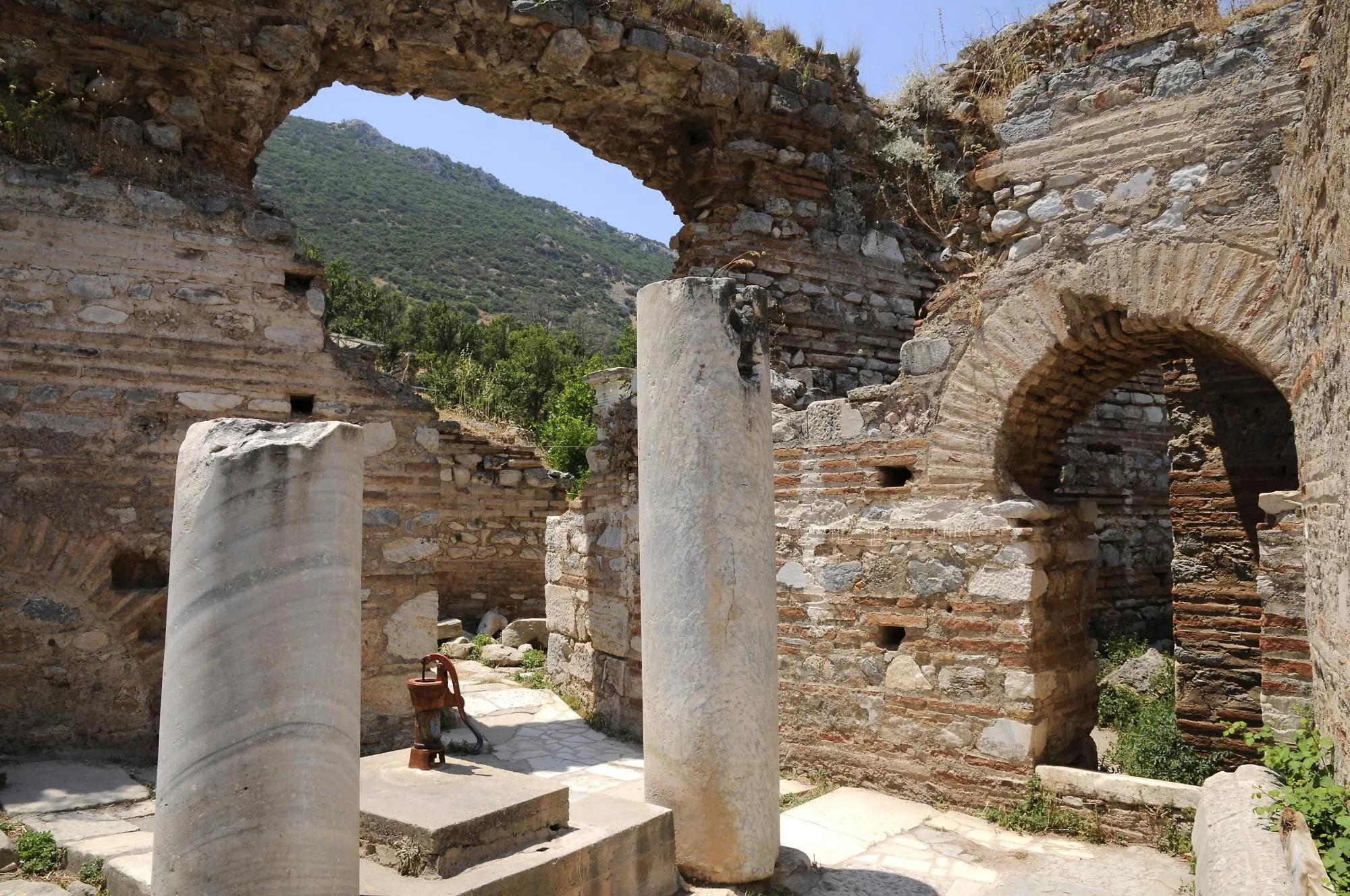
Ephesus Archaeological Site
- Overview: The heart of Ephesus is its archaeological site, where visitors can walk through the ruins of this once-thriving city.
- Must-See Sites:
- Library of Celsus: An architectural marvel and one of the most iconic structures in Ephesus, the Library of Celsus was built in the 2nd century CE and served as a monumental tomb for Tiberius Julius Celsus.
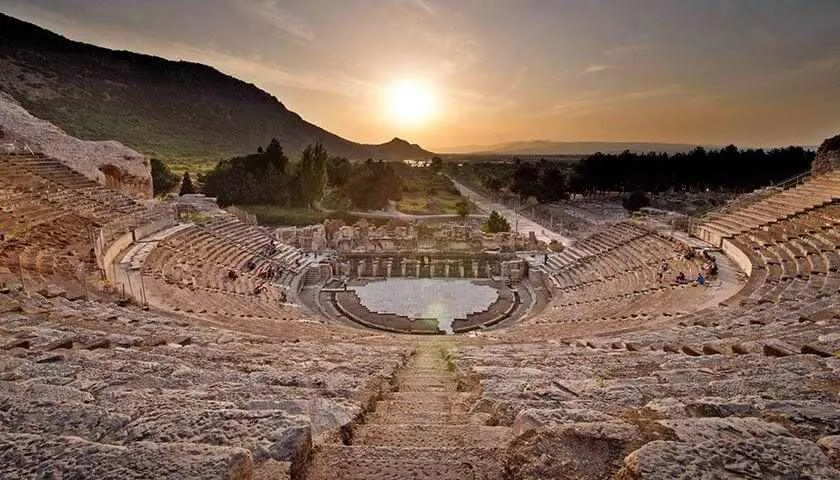
- Great Theatre: This massive amphitheater, capable of seating 25,000 spectators, hosted various performances and events. Its impressive design and excellent acoustics make it a highlight of the site.
- Temple of Artemis: Although only remnants remain, the site of this once-magnificent temple dedicated to the goddess Artemis is a must-visit, as it was one of the Seven Wonders of the Ancient World.
2. Visit the Ephesus Archaeological Museum
Overview
- Location: Situated in nearby Selçuk, this museum houses a comprehensive collection of artifacts discovered during excavations at Ephesus.
- Highlights:
- Statues and Sculptures: The museum features numerous statues, including the famous statue of Artemis, showcasing the artistic achievements of the ancient city.
- Everyday Items: Visitors can see pottery, coins, and tools that provide insights into the daily lives of Ephesus’s inhabitants.
- Roman and Byzantine Artifacts: The collection also includes significant pieces from the Roman and Byzantine periods, illustrating the city’s historical significance.
3. Discover the Terrace Houses
Overview
- Location: Located on the slope of the hill facing the Library of Celsus, the Terrace Houses are often referred to as the “houses of the rich.”
- Significance: These well-preserved homes provide a glimpse into the lives of Ephesus’s elite citizens during the Roman period.
- Highlights:
- Intricate Mosaics: The houses feature stunning mosaics and frescoes, showcasing the artistic talent of the time.
- Advanced Architecture: Visitors can admire the sophisticated architecture, including heating systems and plumbing, highlighting the advancements of ancient engineering.
4. Experience Local Culture
Traditional Turkish Cuisine
- Overview: While exploring Ephesus, take the opportunity to enjoy authentic Turkish cuisine at local restaurants and cafés.
- Must-Try Dishes: Indulge in kebabs, mezes, pide (Turkish pizza), and baklava for a taste of the region’s culinary heritage.
Local Markets
- Overview: Explore the local markets in Selçuk, where you can find handmade crafts, textiles, and local produce.
- Cultural Experience: Interact with local artisans and shopkeepers to experience the vibrant culture of the region and perhaps bring home a unique souvenir.
5. Engage in Cultural Activities
Guided Tours
- Overview: Joining a guided tour can enhance your understanding of Ephesus’s cultural heritage. Knowledgeable guides can provide context and stories about the ancient city and its significance.
- Types of Tours: Look for tours that focus on specific themes, such as archaeology, architecture, or early Christianity, to tailor your experience to your interests.
Attend Local Festivals
- Overview: If your visit coincides with local festivals or events, be sure to participate. These celebrations often feature traditional music, dance, and cuisine, offering a glimpse into the local culture.
- Examples of Festivals: The Selçuk Efes Festival, held annually, showcases local culture and history, featuring performances, exhibitions, and food stalls.
6. Visit Nearby Attractions
House of the Virgin Mary
- Overview: Located on Mount Koressos, this site is believed to be the last residence of Mary, mother of Jesus. It is a significant pilgrimage site for many Christians.
- Significance: The site offers a peaceful atmosphere for reflection and prayer, surrounded by beautiful scenery.
Basilica of St. John
- Overview: This basilica, built over the reputed burial site of John the Apostle, is a significant early Christian site.
- Cultural Importance: Exploring the ruins of this basilica allows visitors to appreciate the city’s early Christian heritage.
Conclusion
Ephesus is a treasure trove of cultural heritage, offering a unique blend of ancient history, architectural marvels, and vibrant local culture. From exploring the ruins of its iconic temples and buildings to enjoying traditional Turkish cuisine and engaging in local activities, Ephesus provides visitors with a rich and immersive experience. Whether you’re a history enthusiast, a culture lover, or simply seeking adventure, Ephesus has something to offer everyone. Plan your visit to this remarkable city and immerse yourself in its captivating past!
Introduction
Discover the fascinating world of The Cultural Heritage of Ephesus: What to See and Do in ancient Ephesus. This comprehensive guide explores the historical significance, archaeological findings, and cultural impact of this remarkable aspect of Ephesian heritage.
Historical Background
The history of The Cultural Heritage of Ephesus: What to See and Do dates back to the early days of Ephesus. Archaeological evidence suggests that this aspect of Ephesian life played a crucial role in shaping the city's development and cultural identity.
Archaeological Discoveries
Recent excavations have unveiled remarkable findings related to The Cultural Heritage of Ephesus: What to See and Do. These discoveries provide valuable insights into how this aspect of Ephesian life evolved over time.
Cultural Significance
Understanding The Cultural Heritage of Ephesus: What to See and Do is crucial for appreciating the broader cultural context of ancient Ephesus. Its influence extended beyond the city walls, impacting trade, religion, and daily life.
Visitor Information
Today, visitors to Ephesus can explore the remnants of The Cultural Heritage of Ephesus: What to See and Do firsthand. This section provides practical information for making the most of your visit.
Preservation and Future
Ongoing conservation efforts ensure that The Cultural Heritage of Ephesus: What to See and Do remains preserved for future generations. Learn about the challenges and successes in maintaining this important historical site.
Frequently Asked Questions
What is the historical significance of The Cultural Heritage of Ephesus: What to See and Do?
The The Cultural Heritage of Ephesus: What to See and Do holds great historical importance in ancient Ephesus, providing valuable insights into the city's cultural and social development.
What can visitors see related to The Cultural Heritage of Ephesus: What to See and Do today?
Visitors to Ephesus can explore well-preserved remains and artifacts related to The Cultural Heritage of Ephesus: What to See and Do, offering a glimpse into the ancient world.
When is the best time to visit The Cultural Heritage of Ephesus: What to See and Do?
The best time to visit is during the spring (April-May) or autumn (September-October) when the weather is mild and crowds are smaller.
Frequently Asked Questions
What is the historical significance of The Cultural Heritage of Ephesus: What to See and Do?
The The Cultural Heritage of Ephesus: What to See and Do holds great historical importance in ancient Ephesus, providing valuable insights into the city's cultural and social development.
What can visitors see related to The Cultural Heritage of Ephesus: What to See and Do today?
Visitors to Ephesus can explore well-preserved remains and artifacts related to The Cultural Heritage of Ephesus: What to See and Do, offering a glimpse into the ancient world.
When is the best time to visit The Cultural Heritage of Ephesus: What to See and Do?
The best time to visit is during the spring (April-May) or autumn (September-October) when the weather is mild and crowds are smaller.
Frequently Asked Questions
What is the historical significance of The Cultural Heritage of Ephesus: What to See and Do?
The The Cultural Heritage of Ephesus: What to See and Do holds great historical importance in ancient Ephesus, providing valuable insights into the city's cultural and social development.
What can visitors see related to The Cultural Heritage of Ephesus: What to See and Do today?
Visitors to Ephesus can explore well-preserved remains and artifacts related to The Cultural Heritage of Ephesus: What to See and Do, offering a glimpse into the ancient world.
When is the best time to visit The Cultural Heritage of Ephesus: What to See and Do?
The best time to visit is during the spring (April-May) or autumn (September-October) when the weather is mild and crowds are smaller.