

The Fountain of Trajan: An Architectural Jewel of Ephesus
Ephesus, one of the great cities of the ancient world, is known for its stunning architectural achievements, and the Fountain of Trajan stands as a remarkable example. Built to honor the Roman Emperor Trajan, this fountain was not only a tribute to his rule but also a testament to the city’s prosperity and advanced engineering. This post explores the history, design, and significance of the Fountain of Trajan, shedding light on why it remains one of Ephesus’ most beloved landmarks.
1. A Tribute to Emperor Trajan
The Fountain of Trajan was constructed around 104 AD and was dedicated to Emperor Trajan, who was revered for his military conquests and the expansion of the Roman Empire. The fountain was part of Ephesus’ ongoing beautification efforts, designed to honor Trajan’s contributions to the Roman world. Positioned on Curetes Street, a prominent thoroughfare, the fountain was a central feature of the city’s public life and a visual reminder of the emperor’s influence. The fountain was adorned with a statue of Trajan, depicted in larger-than-life form, symbolizing his strength and authority. Although only fragments of the statue remain today, it once showcased the emperor standing with one foot on a globe, emphasizing Rome’s dominance over the world. The presence of this statue underscored the political power associated with the fountain and its significance as a public monument.
2. Architectural Design and Features
The Fountain of Trajan was a marvel of ancient design, featuring a two-story structure with ornate columns and decorative reliefs. The fountain was fed by an aqueduct system that supplied fresh water to the city, and its large basin collected water that cascaded down from the upper level. The fountain’s design included niches that housed statues of gods, heroes, and mythological figures, blending art with functionality. The architectural style of the fountain reflects a combination of Roman and local influences, with Corinthian columns and sculpted friezes that depicted scenes from mythology. The intricate details of the fountain’s carvings highlight the skill of Ephesian artisans and the city’s wealth, making it a symbol of both civic pride and artistic achievement.
3. The Cultural and Social Role of the Fountain
In ancient Ephesus, public fountains like the Fountain of Trajan served as important social spaces where people gathered to collect water, socialize, and discuss the events of the day. Located along one of the city’s busiest streets, the fountain was a focal point for residents and visitors alike. Its grand design and central position reflected the importance of public water sources in urban life, while also celebrating the achievements of Emperor Trajan. The fountain also played a role in the city’s religious life. Its decorative elements included figures from Roman mythology, and the flowing water symbolized life and renewal. As a place where the community gathered, the Fountain of Trajan was a space that blended daily necessities with cultural expression, embodying the city’s identity and its connection to the Roman Empire.
4. Legacy and Preservation
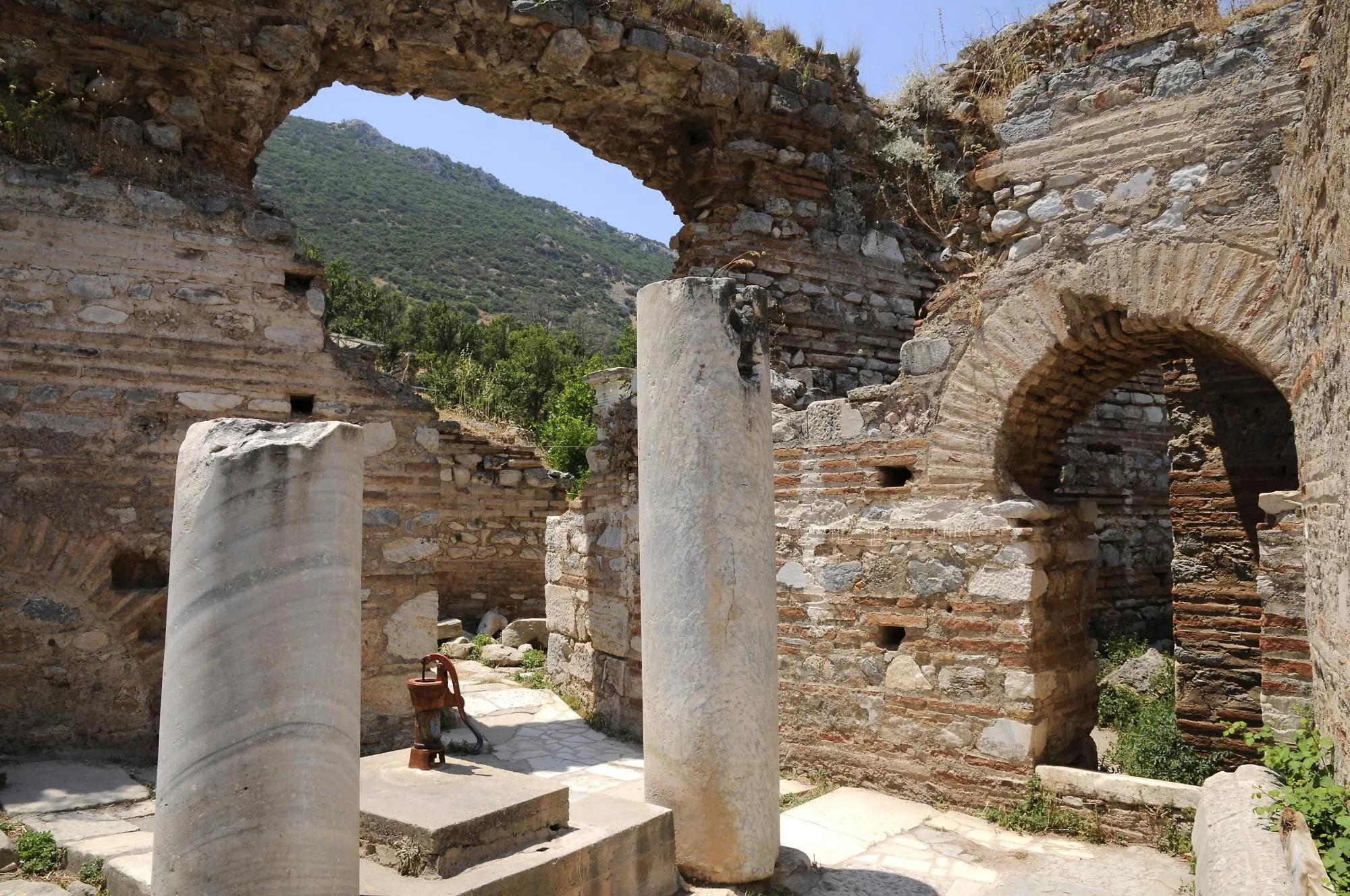
Today, the remains of the Fountain of Trajan are among the most photographed sites in Ephesus. Although much of the original structure has been lost over time, the surviving fragments give a glimpse into its former grandeur. Restoration efforts have helped to preserve its remaining columns and reliefs, allowing visitors to appreciate its historical and artistic significance. The fountain’s legacy endures as a symbol of Ephesus’ past prosperity and its architectural innovation. By exploring the Fountain of Trajan, visitors can connect with a time when public art celebrated the city’s achievements and honored its leaders, reflecting the spirit of a society that valued beauty, power, and community. Conclusion The Fountain of Trajan is more than an ancient ruin; it is a jewel of Ephesus’ architectural heritage. This fountain, with its stunning design and historical importance, continues to captivate those who visit the ancient city. As we walk through Ephesus today, the Fountain of Trajan stands as a reminder of the city’s rich cultural legacy and the enduring power of art to tell stories across the ages.
For more information on the ancient city of Ephesus, visit the Wikipedia page on Ephesus.
Introduction
Discover the fascinating world of The Fountain of Trajan: An Architectural Jewel of Ephesus in ancient Ephesus. This comprehensive guide explores the historical significance, archaeological findings, and cultural impact of this remarkable aspect of Ephesian heritage.
Historical Background
The history of The Fountain of Trajan: An Architectural Jewel of Ephesus dates back to the early days of Ephesus. Archaeological evidence suggests that this aspect of Ephesian life played a crucial role in shaping the city's development and cultural identity.
Archaeological Discoveries
Recent excavations have unveiled remarkable findings related to The Fountain of Trajan: An Architectural Jewel of Ephesus. These discoveries provide valuable insights into how this aspect of Ephesian life evolved over time.
Cultural Significance
Understanding The Fountain of Trajan: An Architectural Jewel of Ephesus is crucial for appreciating the broader cultural context of ancient Ephesus. Its influence extended beyond the city walls, impacting trade, religion, and daily life.
Visitor Information
Today, visitors to Ephesus can explore the remnants of The Fountain of Trajan: An Architectural Jewel of Ephesus firsthand. This section provides practical information for making the most of your visit.
Preservation and Future
Ongoing conservation efforts ensure that The Fountain of Trajan: An Architectural Jewel of Ephesus remains preserved for future generations. Learn about the challenges and successes in maintaining this important historical site.
Frequently Asked Questions
What is the historical significance of The Fountain of Trajan: An Architectural Jewel of Ephesus?
The The Fountain of Trajan: An Architectural Jewel of Ephesus holds great historical importance in ancient Ephesus, providing valuable insights into the city's cultural and social development.
What can visitors see related to The Fountain of Trajan: An Architectural Jewel of Ephesus today?
Visitors to Ephesus can explore well-preserved remains and artifacts related to The Fountain of Trajan: An Architectural Jewel of Ephesus, offering a glimpse into the ancient world.
When is the best time to visit The Fountain of Trajan: An Architectural Jewel of Ephesus?
The best time to visit is during the spring (April-May) or autumn (September-October) when the weather is mild and crowds are smaller.
Frequently Asked Questions
What is the historical significance of The Fountain of Trajan: An Architectural Jewel of Ephesus?
The The Fountain of Trajan: An Architectural Jewel of Ephesus holds great historical importance in ancient Ephesus, providing valuable insights into the city's cultural and social development.
What can visitors see related to The Fountain of Trajan: An Architectural Jewel of Ephesus today?
Visitors to Ephesus can explore well-preserved remains and artifacts related to The Fountain of Trajan: An Architectural Jewel of Ephesus, offering a glimpse into the ancient world.
When is the best time to visit The Fountain of Trajan: An Architectural Jewel of Ephesus?
The best time to visit is during the spring (April-May) or autumn (September-October) when the weather is mild and crowds are smaller.
Frequently Asked Questions
What is the historical significance of The Fountain of Trajan: An Architectural Jewel of Ephesus?
The The Fountain of Trajan: An Architectural Jewel of Ephesus holds great historical importance in ancient Ephesus, providing valuable insights into the city's cultural and social development.
What can visitors see related to The Fountain of Trajan: An Architectural Jewel of Ephesus today?
Visitors to Ephesus can explore well-preserved remains and artifacts related to The Fountain of Trajan: An Architectural Jewel of Ephesus, offering a glimpse into the ancient world.
When is the best time to visit The Fountain of Trajan: An Architectural Jewel of Ephesus?
The best time to visit is during the spring (April-May) or autumn (September-October) when the weather is mild and crowds are smaller.