

The Gymnasium of Vedius: Where Ephesians Pursued Health a...
In ancient Ephesus, the Gymnasium of Vedius was a central hub for physical exercise, education, and social gatherings. This gymnasium, one of several in the city, played a significant role in the daily lives of its citizens, combining the pursuits of health and intellectual growth. The gymnasium culture of Ephesus reflects the values of Greek and Roman societies, where the development of body and mind went hand in hand. This post explores the history and importance of the Gymnasium of Vedius, offering insight into the activities and educational practices that took place within its walls.
1. The Purpose of the Gymnasium
In ancient Greek and Roman culture, gymnasiums were not only centers for physical training but also institutions for learning and intellectual development. Ephesians would come to the Gymnasium of Vedius to engage in various athletic exercises, including wrestling, running, and discus throwing. However, gymnasiums also offered educational opportunities, where young men learned rhetoric, philosophy, and other disciplines essential to civic life. The gymnasium embodied the Greek ideal of kalokagathia, the pursuit of both physical and moral excellence. By focusing on both body and mind, the Gymnasium of Vedius helped citizens prepare for roles in the military, politics, and other aspects of public life.
2. Architecture and Facilities
Like other gymnasiums of the period, the Gymnasium of Vedius was a sprawling complex with dedicated spaces for different activities. It typically included a large courtyard for exercise, surrounded by covered porticos where athletes could train and relax. The facility also featured a palaestra (wrestling area), bathhouses, and a lecture hall where students gathered to hear lectures and engage in discussions. The gymnasium's bathhouses were a notable feature, as they provided a place for visitors to clean up after exercising. These bathhouses included rooms for hot, warm, and cold baths, reflecting the Roman influence on Ephesian society. The bath facilities were an integral part of the gymnasium, offering Ephesians a place to socialize, discuss current events, and unwind.
3. Physical Training and Athletic Competitions
Physical training was a core component of life at the Gymnasium of Vedius. Young men trained in various sports, including boxing, running, and the pentathlon, which consisted of running, jumping, discus, javelin, and wrestling. These activities were not only essential for maintaining health but also prepared individuals for military service. Athletic competitions were common, and the gymnasium served as a training ground for those who would participate in local games and larger events, such as those held in Olympia and other renowned locations. The emphasis on physical fitness highlights the importance that Ephesian society placed on strength, endurance, and competitive spirit.
4. Intellectual Pursuits and Education
The Gymnasium of Vedius was also a place of learning, where young Ephesians were introduced to subjects like philosophy, rhetoric, and literature. Education at the gymnasium prepared citizens for public life, particularly for roles in governance and leadership. Instructors, often well-respected philosophers or rhetoricians, taught the importance of virtue, civic responsibility, and effective communication. These educational activities aligned with the cultural values of the Greek and Roman worlds, where the development of intellectual skills was as vital as physical prowess. For Ephesians, the Gymnasium of Vedius was a place where young men were groomed to become well-rounded citizens, embodying both wisdom and physical strength.
5. Social and Cultural Significance
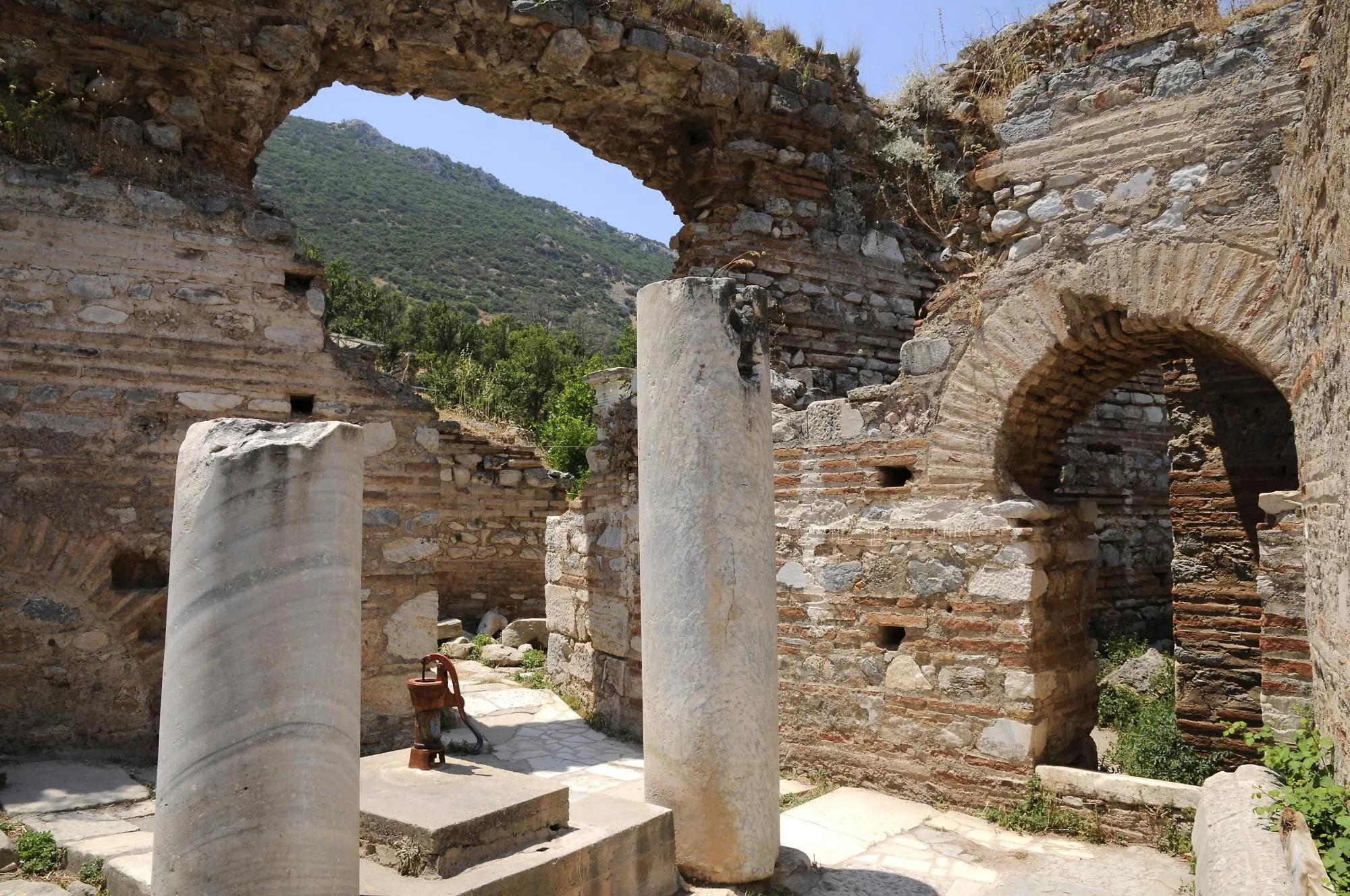
The Gymnasium of Vedius was not only an educational and athletic center but also a gathering place where people from different backgrounds came together. It provided a space for social interaction, allowing Ephesians to build relationships and exchange ideas. The gymnasium’s role as a community center reflected its importance in everyday Ephesian life, where individuals from various walks of life could engage in activities that fostered a sense of camaraderie and shared purpose. Festivals and public events were sometimes held at the gymnasium, further integrating it into the social and cultural fabric of the city. By offering a space for both athletic and intellectual pursuits, the Gymnasium of Vedius helped to strengthen the civic identity of Ephesus, bringing together its people in the shared pursuit of personal and communal excellence. Conclusion The Gymnasium of Vedius was more than just a training facility; it was a place where Ephesians pursued health, learning, and social connection. As we walk through its ruins today, we can imagine the lively atmosphere, the echo of philosophical discussions, and the sounds of athletic training that once filled this space. The gymnasium stands as a reminder of a society that valued the harmonious development of body and mind, a legacy that continues to inspire those who explore the ancient city of Ephesus.
For more on the gymnasiums and ancient sites of Ephesus, visit the Wikipedia page on Ephesus.
Introduction
Discover the fascinating world of The Gymnasium of Vedius: Where Ephesians Pursued Health a... in ancient Ephesus. This comprehensive guide explores the historical significance, archaeological findings, and cultural impact of this remarkable aspect of Ephesian heritage.
Historical Background
The history of The Gymnasium of Vedius: Where Ephesians Pursued Health a... dates back to the early days of Ephesus. Archaeological evidence suggests that this aspect of Ephesian life played a crucial role in shaping the city's development and cultural identity.
Archaeological Discoveries
Recent excavations have unveiled remarkable findings related to The Gymnasium of Vedius: Where Ephesians Pursued Health a.... These discoveries provide valuable insights into how this aspect of Ephesian life evolved over time.
Visitor Information
Today, visitors to Ephesus can explore the remnants of The Gymnasium of Vedius: Where Ephesians Pursued Health a... firsthand. This section provides practical information for making the most of your visit.
Preservation and Future
Ongoing conservation efforts ensure that The Gymnasium of Vedius: Where Ephesians Pursued Health a... remains preserved for future generations. Learn about the challenges and successes in maintaining this important historical site.
Frequently Asked Questions
What is the historical significance of The Gymnasium of Vedius: Where Ephesians Pursued Health a...?
The The Gymnasium of Vedius: Where Ephesians Pursued Health a... holds great historical importance in ancient Ephesus, providing valuable insights into the city's cultural and social development.
What can visitors see related to The Gymnasium of Vedius: Where Ephesians Pursued Health a... today?
Visitors to Ephesus can explore well-preserved remains and artifacts related to The Gymnasium of Vedius: Where Ephesians Pursued Health a..., offering a glimpse into the ancient world.
When is the best time to visit The Gymnasium of Vedius: Where Ephesians Pursued Health a...?
The best time to visit is during the spring (April-May) or autumn (September-October) when the weather is mild and crowds are smaller.
Frequently Asked Questions
What is the historical significance of The Gymnasium of Vedius: Where Ephesians Pursued Health a...?
The The Gymnasium of Vedius: Where Ephesians Pursued Health a... holds great historical importance in ancient Ephesus, providing valuable insights into the city's cultural and social development.
What can visitors see related to The Gymnasium of Vedius: Where Ephesians Pursued Health a... today?
Visitors to Ephesus can explore well-preserved remains and artifacts related to The Gymnasium of Vedius: Where Ephesians Pursued Health a..., offering a glimpse into the ancient world.
When is the best time to visit The Gymnasium of Vedius: Where Ephesians Pursued Health a...?
The best time to visit is during the spring (April-May) or autumn (September-October) when the weather is mild and crowds are smaller.
Frequently Asked Questions
What is the historical significance of The Gymnasium of Vedius: Where Ephesians Pursued Health a...?
The The Gymnasium of Vedius: Where Ephesians Pursued Health a... holds great historical importance in ancient Ephesus, providing valuable insights into the city's cultural and social development.
What can visitors see related to The Gymnasium of Vedius: Where Ephesians Pursued Health a... today?
Visitors to Ephesus can explore well-preserved remains and artifacts related to The Gymnasium of Vedius: Where Ephesians Pursued Health a..., offering a glimpse into the ancient world.
When is the best time to visit The Gymnasium of Vedius: Where Ephesians Pursued Health a...?
The best time to visit is during the spring (April-May) or autumn (September-October) when the weather is mild and crowds are smaller.