

The Temple of Artemis and Other Marvels of Ephesus
Ephesus, an ancient city located on the western coast of Turkey, is renowned for its incredible architectural achievements and rich cultural history. Among its most celebrated monuments is the Temple of Artemis, a grand structure dedicated to the goddess Artemis, which was one of the Seven Wonders of the Ancient World. However, the marvels of Ephesus extend far beyond this iconic temple, showcasing the city's significance as a center of commerce, religion, and culture in antiquity. This post explores the Temple of Artemis and other remarkable sites that define Ephesus’ illustrious legacy.
1. The Temple of Artemis
The Temple of Artemis, also known as the Artemision, was constructed around 550 BC and dedicated to the goddess of the hunt, fertility, and childbirth. This majestic temple was famed for its monumental size, standing approximately 115 feet tall and adorned with 127 columns, each standing 60 feet high. It served as a place of worship and a center for pilgrims who traveled from across the Mediterranean to pay homage to Artemis. The temple was not only an architectural marvel but also a hub of economic activity. The wealth generated from the temple’s rituals and offerings played a significant role in the prosperity of Ephesus. Unfortunately, the temple faced numerous destructions, including being burned down by Herostratus in 356 BC and later destroyed by the Goths in 262 AD. Today, only a few columns remain, but they continue to symbolize the grandeur of one of the ancient world’s most significant religious sites.
2. The Great Theatre of Ephesus
Another iconic structure in Ephesus is the Great Theatre, an impressive amphitheater capable of seating around 24,000 spectators. Carved into the hillside, it was used for a variety of events, including theatrical performances, gladiatorial contests, and public meetings. The theatre’s exceptional acoustics and stunning views of the surrounding landscape made it a favorite gathering place for the people of Ephesus. The Great Theatre is also historically significant due to its role in the conflict between the followers of the Apostle Paul and the artisans of Ephesus, who felt threatened by his teachings. This confrontation highlights the cultural and religious dynamics that characterized Ephesus during its peak.
3. The Library of Celsus
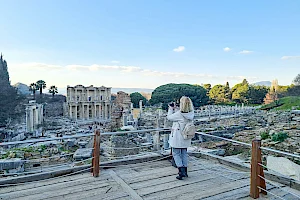
The Library of Celsus is one of the best-preserved ancient libraries in the world, built to honor the Roman senator Tiberius Julius Celsus. Constructed around 117 AD, the library housed over 12,000 scrolls and served as a significant center of learning in Ephesus. Its façade, adorned with elaborate sculptures and a grand entrance, is a stunning example of Roman architecture and design. The library not only reflects the value placed on knowledge in Ephesus but also stands as a testament to the city’s cultural richness. Visitors can admire the library's intricate carvings and imagine the intellectual discussions that once took place within its walls.
4. The Agora: The Heart of Ephesus
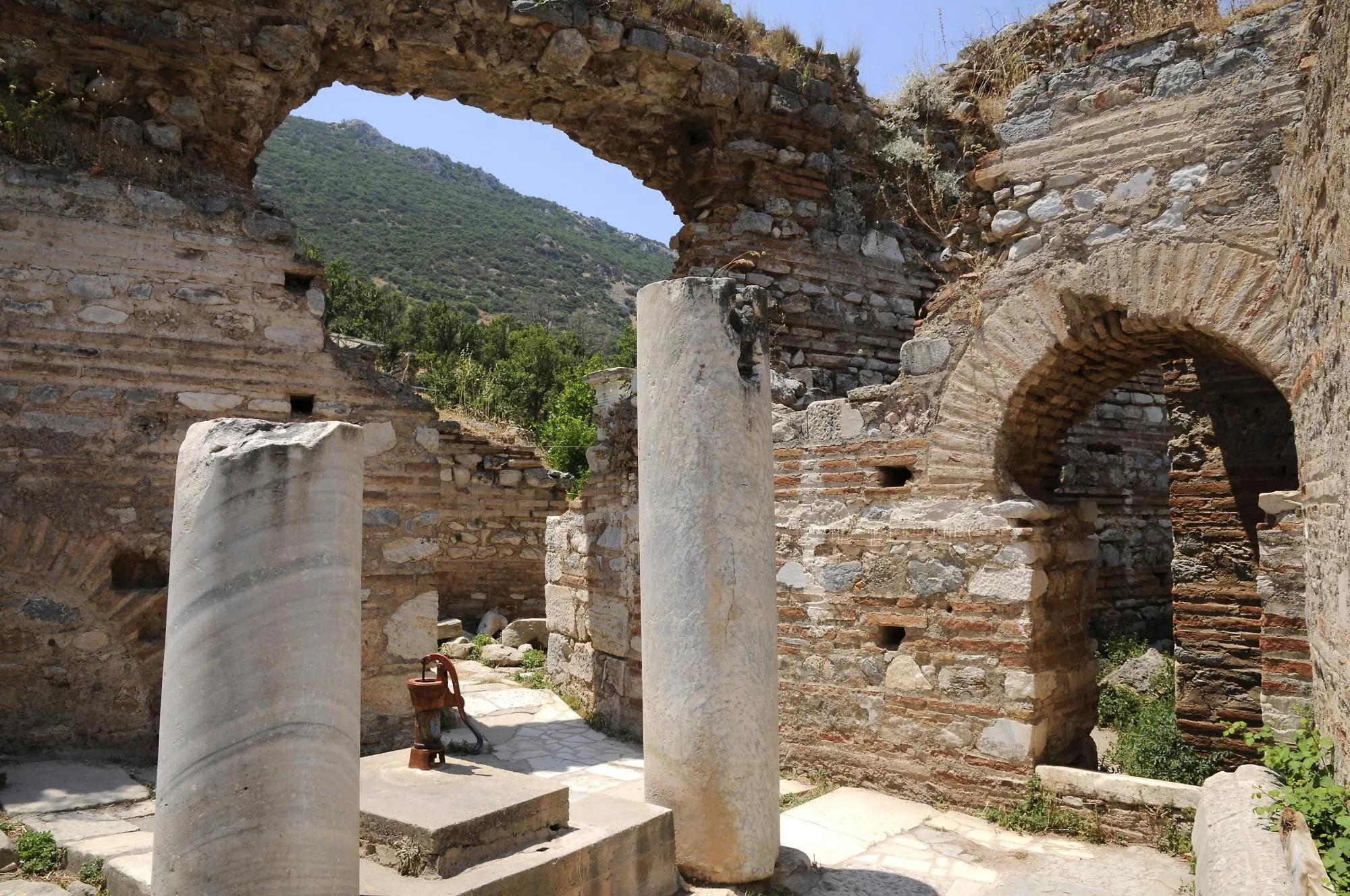
The Agora was the bustling marketplace of Ephesus, serving as the center of commerce and public life. Surrounded by colonnades and adorned with statues, the Agora was a vibrant hub where merchants sold goods, citizens gathered for discussions, and religious ceremonies took place. The remains of the Agora, with its ancient shops and public buildings, provide insight into the daily life of Ephesians. This site illustrates the economic vitality of the city and the importance of trade in shaping Ephesus’ identity as a cultural crossroads of the ancient world.
5. The Terrace Houses
The Terrace Houses, located near the site of the Great Theatre, offer a unique glimpse into the lives of Ephesus’ wealthy elite. These multi-story homes were equipped with advanced heating systems and featured stunning mosaics and frescoes that depicted scenes from mythology and daily life. The preservation of these houses allows visitors to explore the architectural sophistication and lifestyle of Ephesus’ affluent citizens. What to See:
- Mosaics: Beautiful floor mosaics showcasing intricate designs and colors.
- Frescoes: Wall paintings that provide insight into the artistic styles of the time.
Conclusion Ephesus is a city that boasts a rich tapestry of history, culture, and architectural wonders. From the Temple of Artemis to the Great Theatre and the Library of Celsus, each site reflects the city’s significance in the ancient world. Exploring these marvels offers a deeper appreciation for the ingenuity and creativity of the civilizations that once thrived in Ephesus, leaving behind a legacy that continues to captivate and inspire visitors today.
For more information about Ephesus and its incredible history, visit the Wikipedia page on Ephesus.
Introduction
Discover the fascinating world of The Temple of Artemis and Other Marvels of Ephesus in ancient Ephesus. This comprehensive guide explores the historical significance, archaeological findings, and cultural impact of this remarkable aspect of Ephesian heritage.
Historical Background
The history of The Temple of Artemis and Other Marvels of Ephesus dates back to the early days of Ephesus. Archaeological evidence suggests that this aspect of Ephesian life played a crucial role in shaping the city's development and cultural identity.
Archaeological Discoveries
Recent excavations have unveiled remarkable findings related to The Temple of Artemis and Other Marvels of Ephesus. These discoveries provide valuable insights into how this aspect of Ephesian life evolved over time.
Cultural Significance
Understanding The Temple of Artemis and Other Marvels of Ephesus is crucial for appreciating the broader cultural context of ancient Ephesus. Its influence extended beyond the city walls, impacting trade, religion, and daily life.
Visitor Information
Today, visitors to Ephesus can explore the remnants of The Temple of Artemis and Other Marvels of Ephesus firsthand. This section provides practical information for making the most of your visit.
Preservation and Future
Ongoing conservation efforts ensure that The Temple of Artemis and Other Marvels of Ephesus remains preserved for future generations. Learn about the challenges and successes in maintaining this important historical site.
Frequently Asked Questions
What is the historical significance of The Temple of Artemis and Other Marvels of Ephesus?
The The Temple of Artemis and Other Marvels of Ephesus holds great historical importance in ancient Ephesus, providing valuable insights into the city's cultural and social development.
What can visitors see related to The Temple of Artemis and Other Marvels of Ephesus today?
Visitors to Ephesus can explore well-preserved remains and artifacts related to The Temple of Artemis and Other Marvels of Ephesus, offering a glimpse into the ancient world.
When is the best time to visit The Temple of Artemis and Other Marvels of Ephesus?
The best time to visit is during the spring (April-May) or autumn (September-October) when the weather is mild and crowds are smaller.
Frequently Asked Questions
What is the historical significance of The Temple of Artemis and Other Marvels of Ephesus?
The The Temple of Artemis and Other Marvels of Ephesus holds great historical importance in ancient Ephesus, providing valuable insights into the city's cultural and social development.
What can visitors see related to The Temple of Artemis and Other Marvels of Ephesus today?
Visitors to Ephesus can explore well-preserved remains and artifacts related to The Temple of Artemis and Other Marvels of Ephesus, offering a glimpse into the ancient world.
When is the best time to visit The Temple of Artemis and Other Marvels of Ephesus?
The best time to visit is during the spring (April-May) or autumn (September-October) when the weather is mild and crowds are smaller.
Frequently Asked Questions
What is the historical significance of The Temple of Artemis and Other Marvels of Ephesus?
The The Temple of Artemis and Other Marvels of Ephesus holds great historical importance in ancient Ephesus, providing valuable insights into the city's cultural and social development.
What can visitors see related to The Temple of Artemis and Other Marvels of Ephesus today?
Visitors to Ephesus can explore well-preserved remains and artifacts related to The Temple of Artemis and Other Marvels of Ephesus, offering a glimpse into the ancient world.
When is the best time to visit The Temple of Artemis and Other Marvels of Ephesus?
The best time to visit is during the spring (April-May) or autumn (September-October) when the weather is mild and crowds are smaller.