

Ephesus and the Early Christians
Explore the pivotal role that Ephesus played in the spread of Christianity, including the influence of key figures like St. Paul and St. John, and the city's significance in early Christian history.
Ephesus, an ancient city on the western coast of Asia Minor, was not only a major center of trade and culture but also a significant hub for the spread of Christianity during the Roman Empire. The city's strategic location, diverse population, and rich cultural heritage made it an ideal environment for the early Christian Church to grow and flourish. This article delves into the historical context of Ephesus, the influence of early Christian figures, and the events that shaped the development of Christian doctrine.
The Historical Context of Ephesus and Christianity
Keywords: Ephesus early Christians, Ephesus Roman metropolis, early Christian history
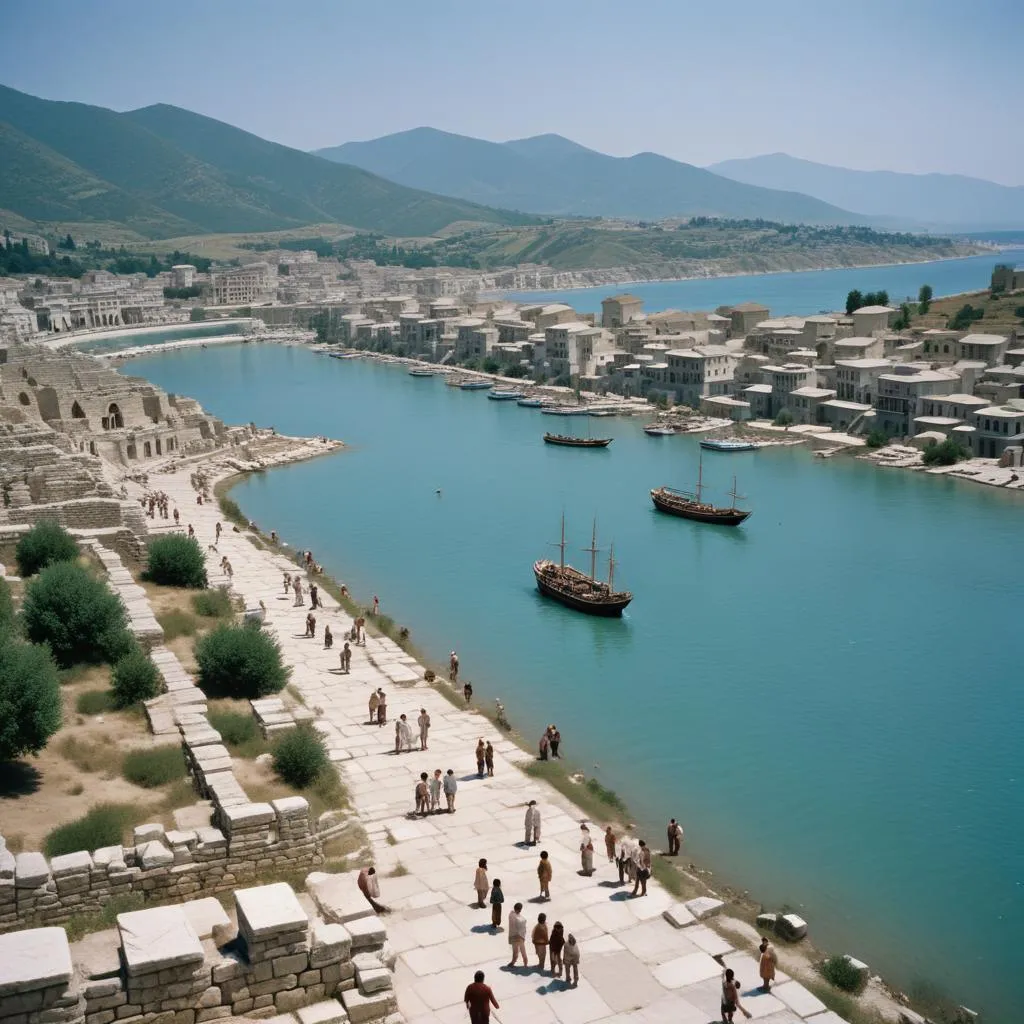
Ephesus was one of the most important cities of the Roman Empire, known for its prosperity and cultural diversity. The city’s population was a mix of Greeks, Romans, Jews, and people from various parts of the empire, creating a cosmopolitan environment where different ideas and beliefs could spread rapidly. As the capital of the Roman province of Asia, Ephesus was a thriving port city with a population of around 250,000, making it one of the largest cities in the empire .
During this period, Ephesus was also a center of pagan worship, home to the Temple of Artemis, one of the Seven Wonders of the Ancient World. However, the city’s religious landscape began to change with the arrival of Christian missionaries, particularly St. Paul, who saw Ephesus as a key location for spreading the message of Christianity.
St. Paul’s Missionary Work in Ephesus
Keywords: St. Paul Ephesus, spread of Christianity in Ephesus, early Christian history
St. Paul’s connection with Ephesus is one of the most well-documented aspects of the city’s early Christian history. On his third missionary journey, Paul spent more than two years in Ephesus, preaching and teaching the Christian faith. He initially taught in the synagogue but faced opposition, leading him to establish a base at the School of Tyrannus, where he continued to teach daily for two years .
Paul’s efforts in Ephesus were remarkably successful, leading to the establishment of a strong Christian community. His teachings reached not only the inhabitants of Ephesus but also those from the surrounding regions, contributing significantly to the spread of Christianity throughout Asia Minor. The impact of his work was so profound that it sparked a major conflict with the local silversmiths, who feared that the growing Christian movement would undermine the worship of Artemis and hurt their trade. This conflict led to the famous riot in Ephesus, which is detailed in the Acts of the Apostles .
The Book of Ephesians and Its Influence
Keywords: Book of Ephesians, early Christian doctrine, Ephesus Christian teachings
The Epistle to the Ephesians, one of the letters attributed to St. Paul, is a key document in the New Testament that reflects the theological depth and practical guidance offered to the early Christian community in Ephesus. The letter addresses the nature of the Church, the unity of believers, and the ethical conduct expected of Christians. It emphasizes the importance of the Church as the body of Christ and the role of Christians in living out their faith in a way that honors God .
The Book of Ephesians has had a lasting impact on Christian theology, particularly in its articulation of the relationship between Christ and the Church. Its teachings on unity, grace, and the spiritual warfare faced by believers continue to resonate with Christians today. The letter’s focus on the Church’s role in God’s plan for humanity underscores the significance of Ephesus as a center for early Christian thought and doctrine .
The Council of Ephesus: Defining Christian Doctrine
Keywords: Council of Ephesus, early Christian doctrine, Theotokos and Nestorianism
One of the most significant events in the history of early Christianity was the Council of Ephesus, held in 431 AD. This ecumenical council was convened to address the growing controversy over the nature of Christ and the role of the Virgin Mary in the Christian faith. The primary issue at stake was the title Theotokos (God-bearer) for Mary, which was challenged by Nestorius, the Archbishop of Constantinople, who argued that Mary should be called Christotokos (Christ-bearer) instead .
The Council of Ephesus affirmed the title Theotokos, emphasizing that Jesus Christ is one person with both divine and human natures, and that Mary, as the mother of Jesus, can rightfully be called the Mother of God. This decision was a critical moment in the development of Christian doctrine, as it reinforced the unity of Christ’s two natures and rejected the teachings of Nestorianism, which were deemed heretical .
The council’s decisions had a profound impact on the future of Christianity, shaping the theological foundations of the Church and influencing the development of Christian worship and devotion. The affirmation of Mary’s role as Theotokos also contributed to the growth of Marian devotion, which became a central aspect of Christian spirituality in both the Eastern and Western Churches
The Legacy of Ephesus in Early Christianity
Keywords: Ephesus Christian history, early Church Ephesus, spread of Christianity in Ephesus
Ephesus’s role in the spread of Christianity and the development of early Christian doctrine cannot be overstated. The city was a major center for missionary activity, theological reflection, and ecclesiastical decisions that shaped the direction of the Christian faith. The presence of key figures such as St. Paul and St. John, the writing of important New Testament texts, and the hosting of critical ecumenical councils all contributed to Ephesus’s enduring legacy in Christian history.
In the centuries that followed, Ephesus continued to be a significant pilgrimage site, particularly for those seeking to connect with the early roots of Christianity. The city’s association with the Virgin Mary, believed by some traditions to have lived her final years in Ephesus under the care of St. John, further solidified its importance as a sacred site for Christians.
Conclusion
Ephesus was more than just a prosperous Roman city; it was a crucible for the early Christian Church, where key figures preached, important theological debates took place, and foundational Christian doctrines were established. The legacy of Ephesus as a center of early Christianity continues to be felt today, as the teachings, events, and decisions that originated in this ancient metropolis continue to influence the faith and practice of millions of Christians around the world.
Introduction
Discover the fascinating world of Ephesus and the Early Christians in ancient Ephesus. This comprehensive guide explores the historical significance, archaeological findings, and cultural impact of this remarkable aspect of Ephesian heritage.
Historical Background
The history of Ephesus and the Early Christians dates back to the early days of Ephesus. Archaeological evidence suggests that this aspect of Ephesian life played a crucial role in shaping the city's development and cultural identity.
Archaeological Discoveries
Recent excavations have unveiled remarkable findings related to Ephesus and the Early Christians. These discoveries provide valuable insights into how this aspect of Ephesian life evolved over time.
Cultural Significance
Understanding Ephesus and the Early Christians is crucial for appreciating the broader cultural context of ancient Ephesus. Its influence extended beyond the city walls, impacting trade, religion, and daily life.
Visitor Information
Today, visitors to Ephesus can explore the remnants of Ephesus and the Early Christians firsthand. This section provides practical information for making the most of your visit.
Preservation and Future
Ongoing conservation efforts ensure that Ephesus and the Early Christians remains preserved for future generations. Learn about the challenges and successes in maintaining this important historical site.
Frequently Asked Questions
What is the historical significance of Ephesus and the Early Christians?
The Ephesus and the Early Christians holds great historical importance in ancient Ephesus, providing valuable insights into the city's cultural and social development.
What can visitors see related to Ephesus and the Early Christians today?
Visitors to Ephesus can explore well-preserved remains and artifacts related to Ephesus and the Early Christians, offering a glimpse into the ancient world.
When is the best time to visit Ephesus and the Early Christians?
The best time to visit is during the spring (April-May) or autumn (September-October) when the weather is mild and crowds are smaller.
Frequently Asked Questions
What is the historical significance of Ephesus and the Early Christians?
The Ephesus and the Early Christians holds great historical importance in ancient Ephesus, providing valuable insights into the city's cultural and social development.
What can visitors see related to Ephesus and the Early Christians today?
Visitors to Ephesus can explore well-preserved remains and artifacts related to Ephesus and the Early Christians, offering a glimpse into the ancient world.
When is the best time to visit Ephesus and the Early Christians?
The best time to visit is during the spring (April-May) or autumn (September-October) when the weather is mild and crowds are smaller.
Frequently Asked Questions
What is the historical significance of Ephesus and the Early Christians?
The Ephesus and the Early Christians holds great historical importance in ancient Ephesus, providing valuable insights into the city's cultural and social development.
What can visitors see related to Ephesus and the Early Christians today?
Visitors to Ephesus can explore well-preserved remains and artifacts related to Ephesus and the Early Christians, offering a glimpse into the ancient world.
When is the best time to visit Ephesus and the Early Christians?
The best time to visit is during the spring (April-May) or autumn (September-October) when the weather is mild and crowds are smaller.