

Ephesus: City of Artemis and Paul’s Missionary Challenges
Introduction
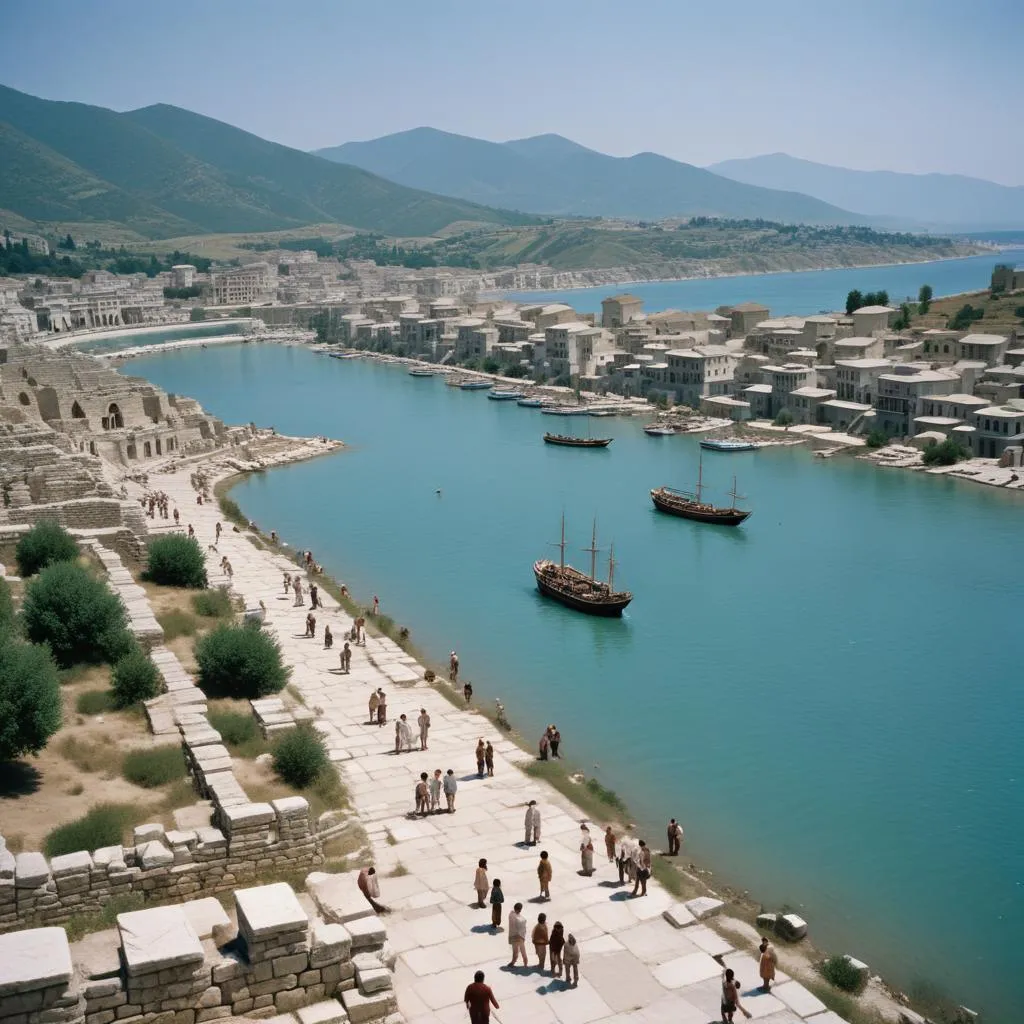
Ephesus, a city steeped in ancient tradition, was home to one of the Seven Wonders of the Ancient World—the Temple of Artemis. This grand temple made Ephesus a major center for worship and pilgrimage, attracting devotees from across the region. Yet, Ephesus also played a crucial role in the spread of Christianity, as the Apostle Paul spent considerable time here during his missionary journeys. His efforts to establish a Christian community in a city devoted to Artemis posed numerous challenges, leading to conflicts that reflected the cultural and religious tensions of the time.
The Temple of Artemis: A Wonder of the Ancient World
The Temple of Artemis, or Artemision, was more than just a place of worship; it was a symbol of Ephesus’s prosperity and religious devotion. Dedicated to Artemis, the goddess of the hunt and fertility, the temple was an architectural marvel, featuring columns that towered over 60 feet and intricate carvings that celebrated the power of the goddess. Pilgrims and tourists from around the Mediterranean came to Ephesus to pay homage to Artemis, participate in festivals, and seek blessings from the goddess. The temple’s grandeur underscored the cultural and spiritual significance of Artemis in the lives of the Ephesians. Festivals in her honor included rituals, processions, and theatrical performances, all celebrating the goddess’s role as protector of the city. Artemis’s influence was so deeply embedded in Ephesian society that her image appeared on the city’s coins, and her worship shaped much of the public and private life in Ephesus.
Paul’s Missionary Work in Ephesus
The Apostle Paul arrived in Ephesus during his third missionary journey, bringing a message of monotheism to a city dominated by pagan beliefs. Paul preached in the synagogues and public spaces, gaining followers among the Jewish and Gentile populations. His teachings challenged the traditional beliefs of the Ephesians, particularly those who worshipped Artemis, and his message was met with resistance from both religious leaders and local artisans. Paul’s missionary work included establishing a Christian community that emphasized worship of the one true God. He stayed in Ephesus for over two years, making it one of his longest missions. Paul’s letters to the Ephesians, later included in the New Testament, reflect his efforts to strengthen the faith of his followers in a city filled with competing religious influences.
The Riot of the Silversmiths: A Clash of Faiths
One of the most significant events during Paul’s time in Ephesus was the “Riot of the Silversmiths,” as recorded in the Acts of the Apostles. The silversmiths, led by a man named Demetrius, were craftsmen who made their living by selling statues and idols of Artemis. They saw Paul’s teachings as a direct threat to their livelihoods, fearing that the growing Christian community would reduce the demand for these items. Demetrius and his fellow artisans incited a riot, gathering in the Great Theatre of Ephesus and chanting in honor of Artemis. The scene underscored the tensions between the followers of Artemis and the new Christian converts, highlighting the city’s struggle to reconcile its pagan heritage with the emerging Christian faith. The riot ultimately ended without violence, but it exemplified the challenges Paul faced as he spread his message in Ephesus.
Ephesus: A City of Religious Convergence
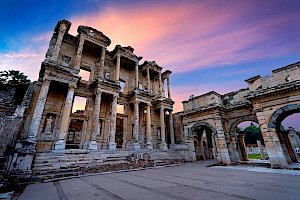
Ephesus remains a symbol of religious convergence, where the ancient world’s diverse beliefs intersected. The city’s heritage as a center for the worship of Artemis reflects its deep roots in pagan tradition, while Paul’s missionary work illustrates its role in the early days of Christianity. Today, visitors to Ephesus can explore the ruins of the Temple of Artemis, walk through the Great Theatre, and visit sites associated with Paul’s ministry, gaining insight into a city where faith, culture, and history collided. For more information on Ephesus and its spiritual heritage, visit the Wikipedia page on Ephesus. To experience the history and legacy of this ancient city firsthand, consider a guided tour with Ephesus Tours, where knowledgeable guides bring the stories of Ephesus to life.
Historical Background
The history of Ephesus: City of Artemis and Paul’s Missionary Challenges dates back to the early days of Ephesus. Archaeological evidence suggests that this aspect of Ephesian life played a crucial role in shaping the city's development and cultural identity.
Archaeological Discoveries
Recent excavations have unveiled remarkable findings related to Ephesus: City of Artemis and Paul’s Missionary Challenges. These discoveries provide valuable insights into how this aspect of Ephesian life evolved over time.
Cultural Significance
Understanding Ephesus: City of Artemis and Paul’s Missionary Challenges is crucial for appreciating the broader cultural context of ancient Ephesus. Its influence extended beyond the city walls, impacting trade, religion, and daily life.
Visitor Information
Today, visitors to Ephesus can explore the remnants of Ephesus: City of Artemis and Paul’s Missionary Challenges firsthand. This section provides practical information for making the most of your visit.
Preservation and Future
Ongoing conservation efforts ensure that Ephesus: City of Artemis and Paul’s Missionary Challenges remains preserved for future generations. Learn about the challenges and successes in maintaining this important historical site.
Frequently Asked Questions
What is the historical significance of Ephesus: City of Artemis and Paul’s Missionary Challenges?
The Ephesus: City of Artemis and Paul’s Missionary Challenges holds great historical importance in ancient Ephesus, providing valuable insights into the city's cultural and social development.
What can visitors see related to Ephesus: City of Artemis and Paul’s Missionary Challenges today?
Visitors to Ephesus can explore well-preserved remains and artifacts related to Ephesus: City of Artemis and Paul’s Missionary Challenges, offering a glimpse into the ancient world.
When is the best time to visit Ephesus: City of Artemis and Paul’s Missionary Challenges?
The best time to visit is during the spring (April-May) or autumn (September-October) when the weather is mild and crowds are smaller.