
Ephesus in the Bible: A Spiritual Guide to the Ancient City
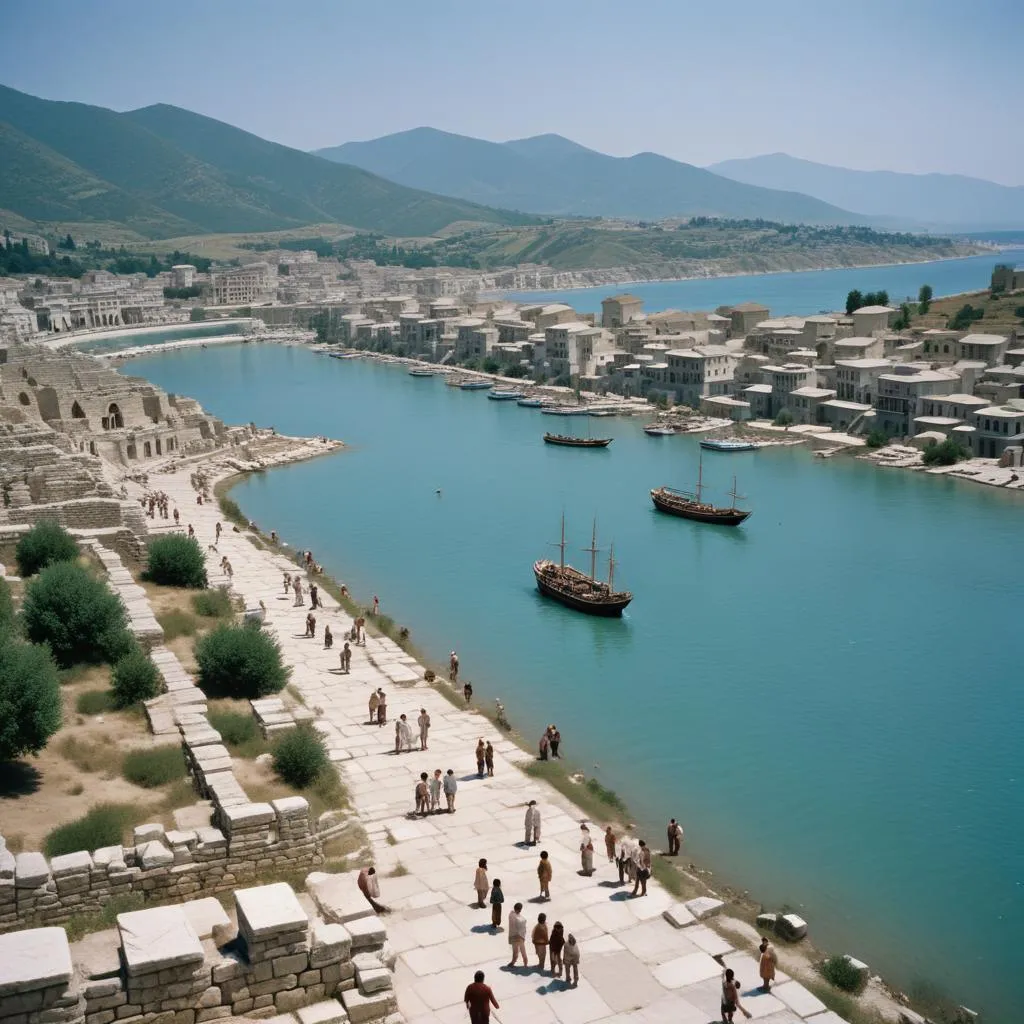
Explore the significance of Ephesus in the Bible, from the Apostle Paul’s ministry to its role in early Christianity. Discover the city’s spiritual legacy and biblical connections. The ancient city of Ephesus, once a thriving metropolis in Asia Minor, holds a special place in biblical history. Known for its grand architecture, bustling harbor, and vibrant culture, Ephesus was also a spiritual hub where early Christians gathered, worshipped, and spread the gospel. This guide explores the biblical significance of Ephesus, focusing on key events, figures, and teachings that make this city an essential part of the New Testament narrative.
Ephesus in the Acts of the Apostles
Ephesus first appears in the Bible in the Book of Acts, where it serves as a central location for the Apostle Paul’s ministry. During his second missionary journey, Paul made a brief visit to Ephesus, preaching in the synagogue and engaging with both Jews and Gentiles. However, it was on his third missionary journey that Paul spent an extended period in Ephesus, establishing a Christian community and building the foundations of a church.
Paul’s Ministry in Ephesus
Paul’s time in Ephesus is detailed in Acts 19. He spent around three years in the city, making Ephesus one of his longest missions. Paul taught daily in the School of Tyrannus, where he preached about Jesus Christ and attracted a growing number of believers. His influence spread throughout the region, and Ephesus became a center for Christian evangelism. During his ministry, Paul performed miracles and healings, which helped to establish his reputation among the people. Acts 19:11-12 recounts how “God was doing extraordinary miracles by the hands of Paul,” and people brought him handkerchiefs and aprons that were used to heal the sick and cast out evil spirits. These miracles strengthened the faith of new converts and drew attention to the message of Christ.
The Confrontation with the Cult of Artemis
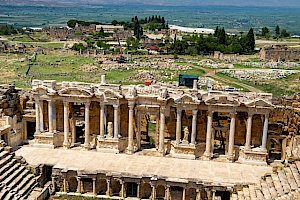
Ephesus was home to the magnificent Temple of Artemis, one of the Seven Wonders of the Ancient World. The temple was central to Ephesian identity, and the cult of Artemis played a major role in the city’s economy. As Paul’s teachings began to spread, they posed a challenge to the worship of Artemis, causing tension with local craftsmen who profited from making silver shrines and statues of the goddess. One of these craftsmen, Demetrius, incited a riot against Paul and his followers, fearing that the rise of Christianity would threaten his livelihood. This event, known as the Ephesian Riot, is detailed in Acts 19:23-41. A large crowd gathered in the Great Theatre, chanting, “Great is Artemis of the Ephesians!” for hours. Though the city clerk eventually calmed the mob, this incident highlights the spiritual conflict between the gospel and pagan worship in Ephesus.
Paul’s Epistle to the Ephesians
After leaving Ephesus, Paul continued to support the Christian community there by writing the Epistle to the Ephesians. This letter, part of the New Testament, is a theological and spiritual guide for the believers in Ephesus, offering encouragement, guidance, and teachings on Christian unity.
Key Themes in Ephesians
In his letter, Paul emphasizes the themes of unity in the body of Christ, the power of grace, and spiritual warfare. He calls on the Ephesians to live in harmony, breaking down barriers between Jews and Gentiles, and to put aside their old ways of living in favor of a life transformed by Christ. Paul also speaks about the armor of God in Ephesians 6:10-18, urging believers to be strong in their faith and to stand firm against spiritual forces of darkness. This passage has become one of the most well-known parts of the Bible, symbolizing the strength and resilience required for a Christian life.
Ephesus in the Book of Revelation
Ephesus appears once more in the Bible in the Book of Revelation, where it is one of the seven churches of Asia that receives a message from Christ. In Revelation 2:1-7, the church in Ephesus is praised for its hard work, perseverance, and commitment to doctrinal purity. However, the Ephesians are also admonished for having “forsaken the love” they had at first and are urged to remember and rekindle their initial fervor for faith. This message to the church in Ephesus serves as both a commendation and a warning. It reminds believers of the importance of maintaining a strong spiritual foundation and encourages them to continue in their dedication to Christ, even as they face challenges and temptations.
Spiritual Legacy of Ephesus
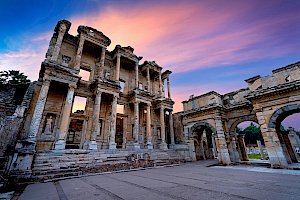
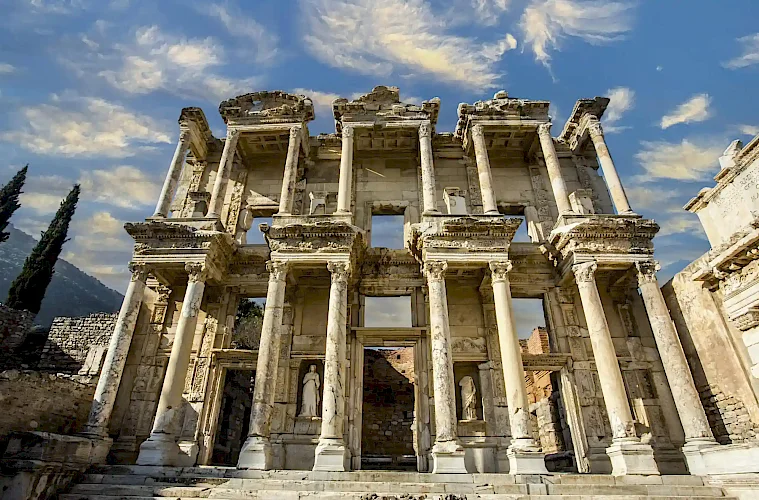
Ephesus’s role in the Bible reflects its significance as a center of early Christianity. The teachings and events associated with Ephesus helped shape the Christian faith and contributed to the growth of the Church. Paul’s ministry in Ephesus not only spread the gospel but also fostered a community of believers who would continue his work after he left. The spiritual legacy of Ephesus can still be felt today, as its ruins draw pilgrims and tourists from around the world. The remains of structures like the Great Theatre, Temple of Artemis, and the Church of Mary (believed to be one of the first churches dedicated to the Virgin Mary) offer a glimpse into the city’s past and its enduring influence on Christianity.
Visiting Ephesus Today
For those interested in exploring the biblical connections of Ephesus, a visit to the archaeological site provides an opportunity to walk in the footsteps of early Christians. Guided tours, such as those offered by ephesustours.biz, allow visitors to learn about Paul’s ministry, the Ephesian Riot, and the church’s development through the centuries. Key sites to explore include:
- The Great Theatre: The site of the Ephesian Riot, this massive theatre held up to 25,000 people and offers stunning views of the ancient city.
- The Temple of Artemis: Although only a few columns remain, this site reflects the grandeur of one of the ancient world’s greatest temples and the cultural context of Paul’s ministry.
- The Church of Mary: Located nearby, this church highlights the Christian legacy of Ephesus and the city’s role in early church history.
Conclusion
Ephesus in the Bible is a city of spiritual importance, where early Christians faced both opportunities and challenges in spreading the message of Christ. The Apostle Paul’s ministry in Ephesus left a lasting impact, helping to establish a strong community of believers and contributing to the growth of the Church. Through his letters and the events described in the Book of Acts, we gain insight into the spiritual journey of the Ephesians and the timeless message of faith, unity, and perseverance that continues to inspire believers today.
Introduction
Discover the fascinating world of Ephesus in the Bible: A Spiritual Guide to the Ancient City in ancient Ephesus. This comprehensive guide explores the historical significance, archaeological findings, and cultural impact of this remarkable aspect of Ephesian heritage.
Historical Background
The history of Ephesus in the Bible: A Spiritual Guide to the Ancient City dates back to the early days of Ephesus. Archaeological evidence suggests that this aspect of Ephesian life played a crucial role in shaping the city's development and cultural identity.
Archaeological Discoveries
Recent excavations have unveiled remarkable findings related to Ephesus in the Bible: A Spiritual Guide to the Ancient City. These discoveries provide valuable insights into how this aspect of Ephesian life evolved over time.
Cultural Significance
Understanding Ephesus in the Bible: A Spiritual Guide to the Ancient City is crucial for appreciating the broader cultural context of ancient Ephesus. Its influence extended beyond the city walls, impacting trade, religion, and daily life.
Visitor Information
Today, visitors to Ephesus can explore the remnants of Ephesus in the Bible: A Spiritual Guide to the Ancient City firsthand. This section provides practical information for making the most of your visit.
Preservation and Future
Ongoing conservation efforts ensure that Ephesus in the Bible: A Spiritual Guide to the Ancient City remains preserved for future generations. Learn about the challenges and successes in maintaining this important historical site.
Frequently Asked Questions
What is the historical significance of Ephesus in the Bible: A Spiritual Guide to the Ancient City?
The Ephesus in the Bible: A Spiritual Guide to the Ancient City holds great historical importance in ancient Ephesus, providing valuable insights into the city's cultural and social development.
What can visitors see related to Ephesus in the Bible: A Spiritual Guide to the Ancient City today?
Visitors to Ephesus can explore well-preserved remains and artifacts related to Ephesus in the Bible: A Spiritual Guide to the Ancient City, offering a glimpse into the ancient world.
When is the best time to visit Ephesus in the Bible: A Spiritual Guide to the Ancient City?
The best time to visit is during the spring (April-May) or autumn (September-October) when the weather is mild and crowds are smaller.
Frequently Asked Questions
What is the historical significance of Ephesus in the Bible: A Spiritual Guide to the Ancient City?
The Ephesus in the Bible: A Spiritual Guide to the Ancient City holds great historical importance in ancient Ephesus, providing valuable insights into the city's cultural and social development.
What can visitors see related to Ephesus in the Bible: A Spiritual Guide to the Ancient City today?
Visitors to Ephesus can explore well-preserved remains and artifacts related to Ephesus in the Bible: A Spiritual Guide to the Ancient City, offering a glimpse into the ancient world.
When is the best time to visit Ephesus in the Bible: A Spiritual Guide to the Ancient City?
The best time to visit is during the spring (April-May) or autumn (September-October) when the weather is mild and crowds are smaller.
Frequently Asked Questions
What is the historical significance of Ephesus in the Bible: A Spiritual Guide to the Ancient City?
The Ephesus in the Bible: A Spiritual Guide to the Ancient City holds great historical importance in ancient Ephesus, providing valuable insights into the city's cultural and social development.
What can visitors see related to Ephesus in the Bible: A Spiritual Guide to the Ancient City today?
Visitors to Ephesus can explore well-preserved remains and artifacts related to Ephesus in the Bible: A Spiritual Guide to the Ancient City, offering a glimpse into the ancient world.
When is the best time to visit Ephesus in the Bible: A Spiritual Guide to the Ancient City?
The best time to visit is during the spring (April-May) or autumn (September-October) when the weather is mild and crowds are smaller.