
Exploring Acts 19: Ephesus and the Rise of Christianity
Introduction
Introduce Acts 19 as a pivotal chapter that highlights the rise of Christianity in Ephesus, a city known for its pagan worship and magical practices. Explain that Paul’s mission in Ephesus marked a significant period of growth for the early Christian church, as his teachings inspired many to abandon their former beliefs and embrace a new faith.
The Religious Landscape of Ephesus
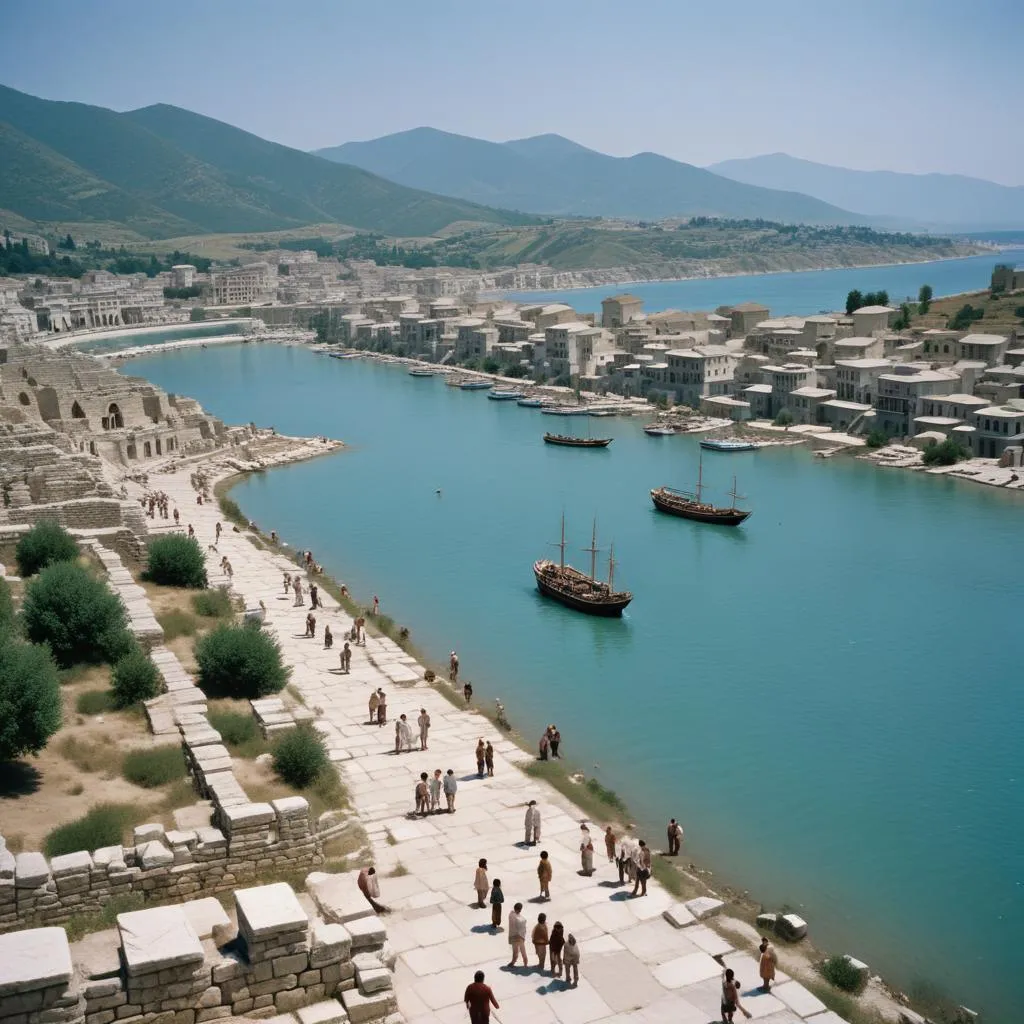
Describe Ephesus as a major cultural and religious center in the Roman Empire, renowned for the Temple of Artemis and its devotion to pagan rituals. Explain that Ephesus was a city where polytheism and magic were deeply ingrained in society, creating a challenging environment for the spread of Christianity.
- The Temple of Artemis: Highlight the significance of the Temple of Artemis, one of the Seven Wonders of the Ancient World, and its role in Ephesus’ spiritual and economic life.
- Magic and Rituals: Discuss the prevalence of magical practices in Ephesus, where spells and incantations were used for protection, healing, and influence over spiritual forces.
Paul’s Arrival in Ephesus and Early Teachings
Outline Paul’s arrival in Ephesus, where he began teaching in the synagogue and attracting followers. Explain that he initially spoke to both Jews and Greeks, spreading the message of Christianity and laying the groundwork for a new spiritual movement in the city.
- Teaching in the Synagogue: Describe how Paul started by teaching about Jesus and the kingdom of God in the synagogue, which led to both acceptance and opposition among the listeners.
- Establishing a Following: Explain how Paul’s message resonated with many Ephesians, leading to a growing community of believers who were curious about the new faith.
Miracles and Confrontation with Pagan Practices
Explore the miracles performed by Paul in Ephesus, including healings and exorcisms, which demonstrated his spiritual authority and attracted more followers. Discuss how these miracles challenged the city’s reliance on pagan rituals and magical practices, offering a new way to connect with the divine.
- Miraculous Healings and Exorcisms: Describe some of the miracles Paul performed, which highlighted the power of the Christian faith and set it apart from the magical practices prevalent in Ephesus.
- Public Renunciation of Magic: Discuss the event where new believers burned their books of magic, symbolizing a rejection of their former practices and a commitment to Christianity, marking a significant shift in the city’s spiritual orientation.
The Riot of Ephesus: Conflict with the Worship of Artemis
Analyze the events leading to the riot incited by Demetrius, a silversmith who feared that Paul’s teachings would lead to a decline in the worship of Artemis. Explain that this confrontation highlighted the tension between the rise of Christianity and the city’s traditional beliefs.
- Economic and Spiritual Conflict: Reflect on how the local economy relied on the production of religious artifacts, and how Paul’s message posed a threat to tradespeople like Demetrius, who saw it as a direct challenge to Artemis worship.
- Resolution of the Riot: Describe how the town clerk intervened to calm the crowd, encouraging them to resolve their grievances through legal means, which allowed Paul to continue his mission in Ephesus.
The Rise of Christianity in Ephesus and Beyond
Discuss the long-term impact of Paul’s mission in Ephesus, where his teachings laid the foundation for a thriving Christian community. Explain that Ephesus became a significant center for early Christianity, contributing to the spread of the faith throughout the region.
- Formation of the Ephesian Church: Describe how Paul’s influence helped establish a strong Christian community in Ephesus, which continued to grow and play a central role in the development of early Christian theology.
- Legacy of Acts 19: Reflect on how the events in Acts 19 exemplify the power of faith to reshape cultural and religious landscapes, inspiring generations of believers and setting the stage for the rise of Christianity.
Conclusion
Conclude by highlighting the importance of Acts 19 in documenting the rise of Christianity in Ephesus. Encourage readers to consider the transformative power of Paul’s mission and how his teachings laid the groundwork for a new era of spiritual belief in the ancient world.
External Link Suggestion:
Link to the Wikipedia page on Acts 19 for further background on the events and their historical significance.
Historical Background
The history of Exploring Acts 19: Ephesus and the Rise of Christianity dates back to the early days of Ephesus. Archaeological evidence suggests that this aspect of Ephesian life played a crucial role in shaping the city's development and cultural identity.
Archaeological Discoveries
Recent excavations have unveiled remarkable findings related to Exploring Acts 19: Ephesus and the Rise of Christianity. These discoveries provide valuable insights into how this aspect of Ephesian life evolved over time.
Cultural Significance
Understanding Exploring Acts 19: Ephesus and the Rise of Christianity is crucial for appreciating the broader cultural context of ancient Ephesus. Its influence extended beyond the city walls, impacting trade, religion, and daily life.
Visitor Information
Today, visitors to Ephesus can explore the remnants of Exploring Acts 19: Ephesus and the Rise of Christianity firsthand. This section provides practical information for making the most of your visit.
Preservation and Future
Ongoing conservation efforts ensure that Exploring Acts 19: Ephesus and the Rise of Christianity remains preserved for future generations. Learn about the challenges and successes in maintaining this important historical site.
Frequently Asked Questions
What is the historical significance of Exploring Acts 19: Ephesus and the Rise of Christianity?
The Exploring Acts 19: Ephesus and the Rise of Christianity holds great historical importance in ancient Ephesus, providing valuable insights into the city's cultural and social development.
What can visitors see related to Exploring Acts 19: Ephesus and the Rise of Christianity today?
Visitors to Ephesus can explore well-preserved remains and artifacts related to Exploring Acts 19: Ephesus and the Rise of Christianity, offering a glimpse into the ancient world.
When is the best time to visit Exploring Acts 19: Ephesus and the Rise of Christianity?
The best time to visit is during the spring (April-May) or autumn (September-October) when the weather is mild and crowds are smaller.
Frequently Asked Questions
What is the historical significance of Exploring Acts 19: Ephesus and the Rise of Christianity?
The Exploring Acts 19: Ephesus and the Rise of Christianity holds great historical importance in ancient Ephesus, providing valuable insights into the city's cultural and social development.
What can visitors see related to Exploring Acts 19: Ephesus and the Rise of Christianity today?
Visitors to Ephesus can explore well-preserved remains and artifacts related to Exploring Acts 19: Ephesus and the Rise of Christianity, offering a glimpse into the ancient world.
When is the best time to visit Exploring Acts 19: Ephesus and the Rise of Christianity?
The best time to visit is during the spring (April-May) or autumn (September-October) when the weather is mild and crowds are smaller.
Frequently Asked Questions
What is the historical significance of Exploring Acts 19: Ephesus and the Rise of Christianity?
The Exploring Acts 19: Ephesus and the Rise of Christianity holds great historical importance in ancient Ephesus, providing valuable insights into the city's cultural and social development.
What can visitors see related to Exploring Acts 19: Ephesus and the Rise of Christianity today?
Visitors to Ephesus can explore well-preserved remains and artifacts related to Exploring Acts 19: Ephesus and the Rise of Christianity, offering a glimpse into the ancient world.
When is the best time to visit Exploring Acts 19: Ephesus and the Rise of Christianity?
The best time to visit is during the spring (April-May) or autumn (September-October) when the weather is mild and crowds are smaller.