

How Early Christians Honored Mary in Ephesus
The city of Ephesus, with its rich history and deep connections to early Christianity, became a significant site for honoring the Virgin Mary. Known for its role as a spiritual center, Ephesus hosted some of the earliest gatherings of Christians who came to worship, learn, and celebrate Mary’s place in the faith. This blog post delves into how early Christians in Ephesus revered the Virgin Mary, the impact of the Ecumenical Councils, and the legacy of this devotion that continues to draw pilgrims today.
1. The Importance of Ephesus in Early Christianity
Ephesus was one of the seven churches of Asia mentioned in the Book of Revelation and a major center of early Christian activity. The city’s prominence made it an ideal location for the Apostle John to settle, bringing Mary with him to live her final days there. As the new faith spread, Ephesus quickly became a hub for those who revered Mary, her role in Jesus’ life, and her influence on Christian teachings.
2. Mary’s Residence and Final Days in Ephesus
According to Christian tradition, Jesus entrusted Mary to John’s care, and the two settled in Ephesus after the Crucifixion. There, Mary is believed to have lived out her final years in a humble stone house on Mount Koressos. This house, now restored and known as the House of the Virgin Mary, was later discovered by following the visions of Anne Catherine Emmerich, a German nun. This site became central to the veneration of Mary in Ephesus.
3. The First Church Dedicated to Mary
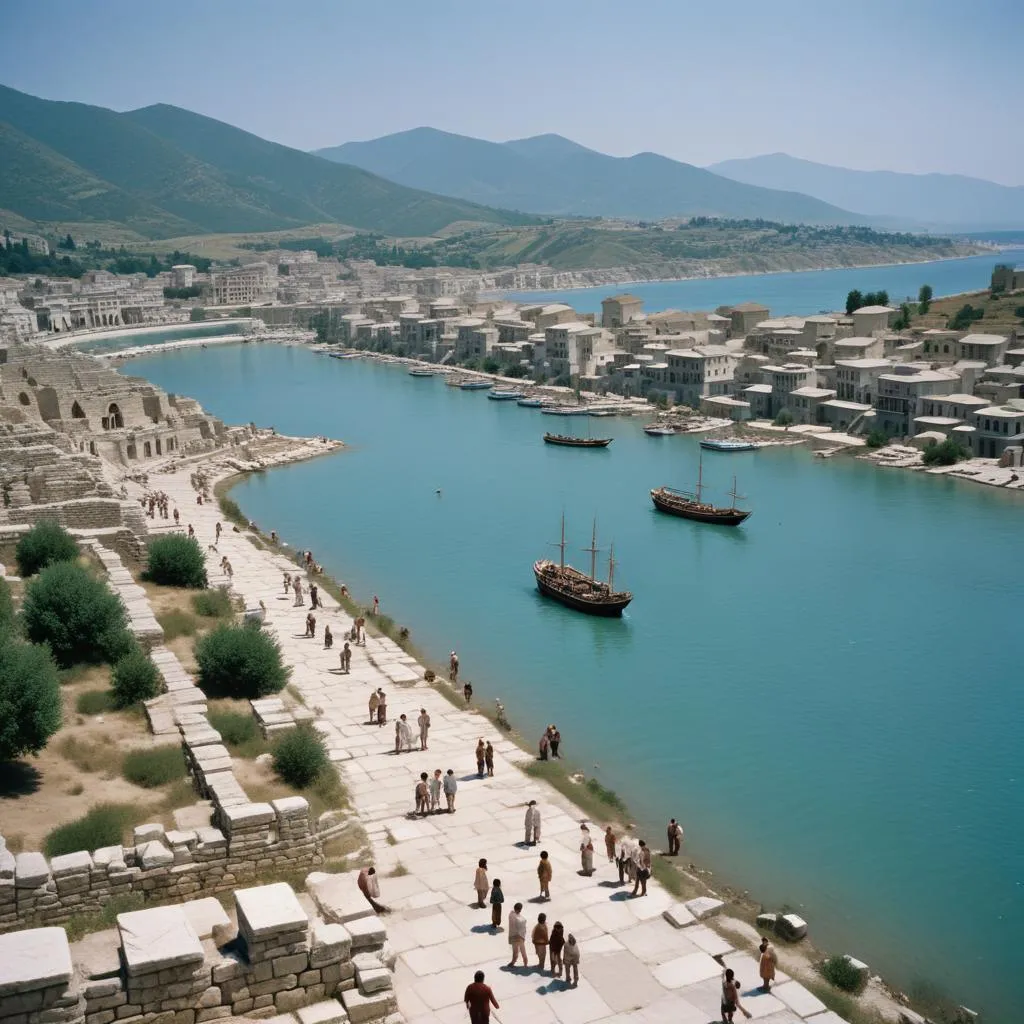
The early Christians in Ephesus honored Mary by establishing the first known church in her name. Located near the harbor baths, the Church of the Virgin Mary, also known as the Council Church, was a major venue for theological discussions. The church became the site of the Third Ecumenical Council in 431 AD, where church leaders convened to affirm Mary’s title as Theotokos, or “Mother of God.”
4. The Third Ecumenical Council
During this council, church leaders addressed controversies regarding Mary’s role as the mother of Jesus. The council ultimately rejected the teachings of Nestorius, the Patriarch of Constantinople, who argued that Mary should not be called the Mother of God. The council’s decision affirmed Mary’s divine role, reinforcing her significance in Christian doctrine and solidifying Ephesus as a key site of Marian devotion. This decision set a precedent for how Mary would be honored in Christian teachings and established a tradition of pilgrimage to the Church of the Virgin Mary.
5. The Impact of the Early Christian Pilgrimage
The reverence for Mary spread far beyond Ephesus, drawing pilgrims from across the Roman Empire. Christians who visited Ephesus paid homage to Mary and the Apostles, particularly John, who spent many years preaching and teaching in the region. Ephesus became a place where Christians could connect with their faith’s early roots, reflecting on Mary’s life and legacy in a setting that fostered reflection and worship.
6. The Legacy of Marian Veneration in Ephesus
Today, Ephesus continues to attract those who seek to honor Mary. Each year on August 15, the Feast of the Assumption is celebrated at the House of the Virgin Mary, with both Christian and Muslim visitors participating in the festivities. This site remains a symbol of interfaith reverence, highlighting Mary’s role not only in Christianity but also in Islam, where she is revered as the mother of the prophet Jesus. Conclusion The early Christians in Ephesus honored Mary in ways that have endured for centuries. Through pilgrimage, devotion, and theological debate, Ephesus has become a testament to Mary’s impact on the Christian faith. Visitors today are invited to experience the same sense of connection and reverence felt by early Christians as they walk the ancient paths of this sacred city.
For more information on the Third Ecumenical Council and its significance, visit the Wikipedia page on the Council of Ephesus.
Introduction
Discover the fascinating world of How Early Christians Honored Mary in Ephesus in ancient Ephesus. This comprehensive guide explores the historical significance, archaeological findings, and cultural impact of this remarkable aspect of Ephesian heritage.
Historical Background
The history of How Early Christians Honored Mary in Ephesus dates back to the early days of Ephesus. Archaeological evidence suggests that this aspect of Ephesian life played a crucial role in shaping the city's development and cultural identity.
Archaeological Discoveries
Recent excavations have unveiled remarkable findings related to How Early Christians Honored Mary in Ephesus. These discoveries provide valuable insights into how this aspect of Ephesian life evolved over time.
Cultural Significance
Understanding How Early Christians Honored Mary in Ephesus is crucial for appreciating the broader cultural context of ancient Ephesus. Its influence extended beyond the city walls, impacting trade, religion, and daily life.
Visitor Information
Today, visitors to Ephesus can explore the remnants of How Early Christians Honored Mary in Ephesus firsthand. This section provides practical information for making the most of your visit.
Preservation and Future
Ongoing conservation efforts ensure that How Early Christians Honored Mary in Ephesus remains preserved for future generations. Learn about the challenges and successes in maintaining this important historical site.
Frequently Asked Questions
What is the historical significance of How Early Christians Honored Mary in Ephesus?
The How Early Christians Honored Mary in Ephesus holds great historical importance in ancient Ephesus, providing valuable insights into the city's cultural and social development.
What can visitors see related to How Early Christians Honored Mary in Ephesus today?
Visitors to Ephesus can explore well-preserved remains and artifacts related to How Early Christians Honored Mary in Ephesus, offering a glimpse into the ancient world.
When is the best time to visit How Early Christians Honored Mary in Ephesus?
The best time to visit is during the spring (April-May) or autumn (September-October) when the weather is mild and crowds are smaller.
Frequently Asked Questions
What is the historical significance of How Early Christians Honored Mary in Ephesus?
The How Early Christians Honored Mary in Ephesus holds great historical importance in ancient Ephesus, providing valuable insights into the city's cultural and social development.
What can visitors see related to How Early Christians Honored Mary in Ephesus today?
Visitors to Ephesus can explore well-preserved remains and artifacts related to How Early Christians Honored Mary in Ephesus, offering a glimpse into the ancient world.
When is the best time to visit How Early Christians Honored Mary in Ephesus?
The best time to visit is during the spring (April-May) or autumn (September-October) when the weather is mild and crowds are smaller.
Frequently Asked Questions
What is the historical significance of How Early Christians Honored Mary in Ephesus?
The How Early Christians Honored Mary in Ephesus holds great historical importance in ancient Ephesus, providing valuable insights into the city's cultural and social development.
What can visitors see related to How Early Christians Honored Mary in Ephesus today?
Visitors to Ephesus can explore well-preserved remains and artifacts related to How Early Christians Honored Mary in Ephesus, offering a glimpse into the ancient world.
When is the best time to visit How Early Christians Honored Mary in Ephesus?
The best time to visit is during the spring (April-May) or autumn (September-October) when the weather is mild and crowds are smaller.