
The Great Theatre of Ephesus: A Historical Landmark
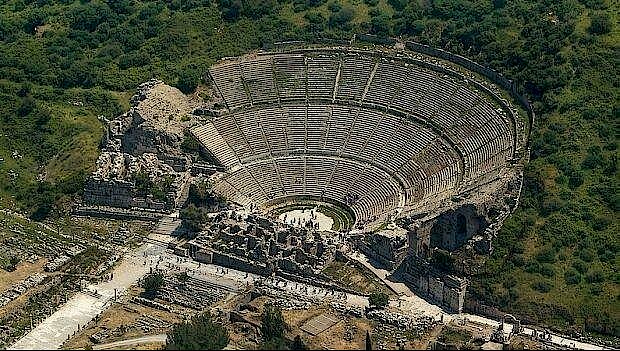
The Great Theatre of Ephesus, one of the most impressive ancient structures in Turkey, is a testament to the architectural prowess and cultural heritage of the city. Carved into the slopes of Mount Pion, this grand amphitheater could seat up to 25,000 spectators, making it a central gathering place for the people of Ephesus. Known for its impressive acoustics and vast scale, the Great Theatre hosted everything from dramatic performances to political gatherings, embodying the spirit of public life in ancient Ephesus.
An Architectural Marvel
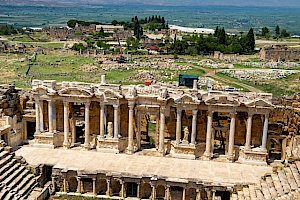
The construction of the Great Theatre began in the Hellenistic period, and it was later expanded under Roman rule. With its semicircular seating and tiered design, the theatre offered exceptional acoustics, allowing audiences to hear the performers clearly from every seat. The stage building, with its ornate facade, created a dramatic backdrop for performances and ceremonies. The theatre’s size and design reflect the influence of both Greek and Roman architectural traditions. Its location, overlooking the city and the surrounding landscape, made it a prominent landmark in Ephesus, symbolizing the city’s prosperity and its dedication to the arts.
A Venue for Drama and Public Events
The Great Theatre served as a venue for Greek tragedies, Roman comedies, and musical performances, showcasing the diverse cultural influences in Ephesus. The theatre was also used for gladiatorial contests and other public spectacles, which were popular forms of entertainment during the Roman period. Beyond entertainment, the Great Theatre played an important role in the civic life of Ephesus. It was a place where citizens gathered for political meetings, public debates, and ceremonies honoring the Roman emperors. This blend of artistic and civic functions highlights the theatre’s significance as a center for community life, where people came together to experience the cultural and social events that defined Ephesus.
Historical Significance and Early Christianity
The Great Theatre is also notable in early Christian history. According to the Acts of the Apostles, the Apostle Paul preached in Ephesus, and his teachings stirred controversy among the city’s residents. A riot led by the silversmiths, who saw Paul’s message as a threat to their trade, took place in the theatre, illustrating the cultural and religious tensions in Ephesus during the early days of Christianity. This event, known as the “Riot of the Silversmiths,” underscores the Great Theatre’s role as a forum for public expression, where the people of Ephesus voiced their concerns and defended their beliefs. Today, the theatre remains a powerful symbol of the city’s diverse religious and cultural heritage.
Visiting the Great Theatre Today
The Great Theatre of Ephesus is a highlight for visitors exploring the ancient city. Standing in the theatre, visitors can imagine the sounds of ancient performances and the voices of thousands who once gathered there. The well-preserved seating, stage, and overall layout allow travelers to experience the grandeur of a structure that has witnessed centuries of history. Walking through the rows of seats, visitors can reflect on the theatre’s role in shaping the cultural and public life of Ephesus. The Great Theatre continues to host occasional performances, bringing the sounds of music and drama back to a space where art and history converge. For more information on the history of Ephesus, visit the Wikipedia page on Ephesus. To explore the Great Theatre and other historic sites, consider a guided tour with Ephesus Tours, where expert guides bring the ancient wonders of Ephesus to life.
Introduction
Discover the fascinating world of The Great Theatre of Ephesus: A Historical Landmark in ancient Ephesus. This comprehensive guide explores the historical significance, archaeological findings, and cultural impact of this remarkable aspect of Ephesian heritage.
Historical Background
The history of The Great Theatre of Ephesus: A Historical Landmark dates back to the early days of Ephesus. Archaeological evidence suggests that this aspect of Ephesian life played a crucial role in shaping the city's development and cultural identity.
Archaeological Discoveries
Recent excavations have unveiled remarkable findings related to The Great Theatre of Ephesus: A Historical Landmark. These discoveries provide valuable insights into how this aspect of Ephesian life evolved over time.
Cultural Significance
Understanding The Great Theatre of Ephesus: A Historical Landmark is crucial for appreciating the broader cultural context of ancient Ephesus. Its influence extended beyond the city walls, impacting trade, religion, and daily life.
Visitor Information
Today, visitors to Ephesus can explore the remnants of The Great Theatre of Ephesus: A Historical Landmark firsthand. This section provides practical information for making the most of your visit.
Preservation and Future
Ongoing conservation efforts ensure that The Great Theatre of Ephesus: A Historical Landmark remains preserved for future generations. Learn about the challenges and successes in maintaining this important historical site.
Frequently Asked Questions
What is the historical significance of The Great Theatre of Ephesus: A Historical Landmark?
The The Great Theatre of Ephesus: A Historical Landmark holds great historical importance in ancient Ephesus, providing valuable insights into the city's cultural and social development.
What can visitors see related to The Great Theatre of Ephesus: A Historical Landmark today?
Visitors to Ephesus can explore well-preserved remains and artifacts related to The Great Theatre of Ephesus: A Historical Landmark, offering a glimpse into the ancient world.
When is the best time to visit The Great Theatre of Ephesus: A Historical Landmark?
The best time to visit is during the spring (April-May) or autumn (September-October) when the weather is mild and crowds are smaller.
Frequently Asked Questions
What is the historical significance of The Great Theatre of Ephesus: A Historical Landmark?
The The Great Theatre of Ephesus: A Historical Landmark holds great historical importance in ancient Ephesus, providing valuable insights into the city's cultural and social development.
What can visitors see related to The Great Theatre of Ephesus: A Historical Landmark today?
Visitors to Ephesus can explore well-preserved remains and artifacts related to The Great Theatre of Ephesus: A Historical Landmark, offering a glimpse into the ancient world.
When is the best time to visit The Great Theatre of Ephesus: A Historical Landmark?
The best time to visit is during the spring (April-May) or autumn (September-October) when the weather is mild and crowds are smaller.
Frequently Asked Questions
What is the historical significance of The Great Theatre of Ephesus: A Historical Landmark?
The The Great Theatre of Ephesus: A Historical Landmark holds great historical importance in ancient Ephesus, providing valuable insights into the city's cultural and social development.
What can visitors see related to The Great Theatre of Ephesus: A Historical Landmark today?
Visitors to Ephesus can explore well-preserved remains and artifacts related to The Great Theatre of Ephesus: A Historical Landmark, offering a glimpse into the ancient world.
When is the best time to visit The Great Theatre of Ephesus: A Historical Landmark?
The best time to visit is during the spring (April-May) or autumn (September-October) when the weather is mild and crowds are smaller.