
The Sacred Path of Mary’s Stations of the Cross in Ephesus
Introduction
Introduce the concept of the Stations of the Cross, a Christian devotion that commemorates the final journey of Jesus to the crucifixion. Explain that in Ephesus, where Mary is believed to have spent her last years, pilgrims can undertake a unique spiritual journey reflecting on Mary’s role in Jesus’ life and the significance of her presence in Ephesus.
The Significance of the Stations of the Cross in Christian Devotion
Provide an overview of the Stations of the Cross, traditionally observed during Lent and Holy Week. Describe how this devotion allows Christians to reflect on the suffering of Jesus and the role of Mary, who accompanied her son through his Passion.
- Mary’s Witness of the Passion: Reflect on the profound connection between Mary and the Stations of the Cross, as she shared in Jesus’ suffering and exemplified deep compassion and faith.
- A Path of Reflection and Prayer: Explain how following the Stations of the Cross helps believers connect with the themes of love, sacrifice, and redemption in Christian teachings.
Creating a Spiritual Path in Ephesus: Mary’s Stations of the Cross
Envision a journey in Ephesus that mirrors the Stations of the Cross, allowing pilgrims to honor Mary and reflect on her role in Jesus’ life. Explain that although Ephesus does not have a traditional Stations of the Cross, visitors can engage in a pilgrimage that connects significant events in Mary’s life to the Passion of Jesus.
- Starting at the House of the Virgin Mary: Describe beginning the pilgrimage at Mary’s house, where pilgrims can pray, reflect on Mary’s journey from Jerusalem to Ephesus, and honor her role as a mother who witnessed her son’s suffering.
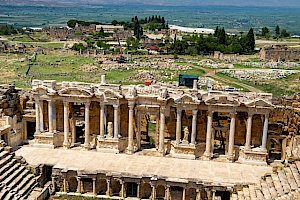
- Reflective Stations in Ephesus: Suggest other locations in Ephesus where pilgrims can pause and reflect, drawing parallels between these locations and the traditional Stations, such as the Basilica of St. John, the Great Theatre, and other historical sites.
Reflecting on Mary’s Role in the Stations of the Cross
Discuss how each station can incorporate Mary’s experiences and presence. For example, as pilgrims move through each station, they can reflect on Mary’s faith, her support for Jesus, and her unwavering commitment to God’s will.
- A Mother’s Sorrow and Strength: At each station, pilgrims can contemplate Mary’s sorrow and strength, using her example to deepen their understanding of the Passion and find personal inspiration.
- The Connection to Mary’s Assumption: Draw a connection between the Stations of the Cross and Mary’s Assumption, as Mary’s life and experiences offer hope in the promise of eternal life.
Practical Tips for Pilgrims Undertaking the Sacred Path in Ephesus
Provide tips for pilgrims interested in this spiritual journey, focusing on how to create a meaningful Stations of the Cross experience in Ephesus. Suggest including stops at various sites and offering reflections or prayers at each location.
- Preparing for the Journey: Recommend comfortable clothing, water, a journal for personal reflections, and prayer materials for an immersive experience.
- Guided Reflection and Prayer: Encourage pilgrims to bring a Stations of the Cross guidebook or use personalized prayers that incorporate Mary’s life and her connection to Jesus’ Passion.
Conclusion
Conclude by inviting readers to experience this unique pilgrimage in Ephesus, where they can walk in the footsteps of Mary and reflect on the profound impact of her life and faith. Encourage visitors to honor Mary’s legacy by engaging in a journey that deepens their connection to the Stations of the Cross and celebrates the spiritual heritage of Ephesus.
External Link Suggestion:
Link to the Wikipedia page on the Stations of the Cross for additional background on the devotion’s history and significance.
Historical Background
The history of The Sacred Path of Mary’s Stations of the Cross in Ephesus dates back to the early days of Ephesus. Archaeological evidence suggests that this aspect of Ephesian life played a crucial role in shaping the city's development and cultural identity.
Archaeological Discoveries
Recent excavations have unveiled remarkable findings related to The Sacred Path of Mary’s Stations of the Cross in Ephesus. These discoveries provide valuable insights into how this aspect of Ephesian life evolved over time.
Cultural Significance
Understanding The Sacred Path of Mary’s Stations of the Cross in Ephesus is crucial for appreciating the broader cultural context of ancient Ephesus. Its influence extended beyond the city walls, impacting trade, religion, and daily life.
Visitor Information
Today, visitors to Ephesus can explore the remnants of The Sacred Path of Mary’s Stations of the Cross in Ephesus firsthand. This section provides practical information for making the most of your visit.
Preservation and Future
Ongoing conservation efforts ensure that The Sacred Path of Mary’s Stations of the Cross in Ephesus remains preserved for future generations. Learn about the challenges and successes in maintaining this important historical site.
Frequently Asked Questions
What is the historical significance of The Sacred Path of Mary’s Stations of the Cross in Ephesus?
The The Sacred Path of Mary’s Stations of the Cross in Ephesus holds great historical importance in ancient Ephesus, providing valuable insights into the city's cultural and social development.
What can visitors see related to The Sacred Path of Mary’s Stations of the Cross in Ephesus today?
Visitors to Ephesus can explore well-preserved remains and artifacts related to The Sacred Path of Mary’s Stations of the Cross in Ephesus, offering a glimpse into the ancient world.
When is the best time to visit The Sacred Path of Mary’s Stations of the Cross in Ephesus?
The best time to visit is during the spring (April-May) or autumn (September-October) when the weather is mild and crowds are smaller.
Frequently Asked Questions
What is the historical significance of The Sacred Path of Mary’s Stations of the Cross in Ephesus?
The The Sacred Path of Mary’s Stations of the Cross in Ephesus holds great historical importance in ancient Ephesus, providing valuable insights into the city's cultural and social development.
What can visitors see related to The Sacred Path of Mary’s Stations of the Cross in Ephesus today?
Visitors to Ephesus can explore well-preserved remains and artifacts related to The Sacred Path of Mary’s Stations of the Cross in Ephesus, offering a glimpse into the ancient world.
When is the best time to visit The Sacred Path of Mary’s Stations of the Cross in Ephesus?
The best time to visit is during the spring (April-May) or autumn (September-October) when the weather is mild and crowds are smaller.
Frequently Asked Questions
What is the historical significance of The Sacred Path of Mary’s Stations of the Cross in Ephesus?
The The Sacred Path of Mary’s Stations of the Cross in Ephesus holds great historical importance in ancient Ephesus, providing valuable insights into the city's cultural and social development.
What can visitors see related to The Sacred Path of Mary’s Stations of the Cross in Ephesus today?
Visitors to Ephesus can explore well-preserved remains and artifacts related to The Sacred Path of Mary’s Stations of the Cross in Ephesus, offering a glimpse into the ancient world.
When is the best time to visit The Sacred Path of Mary’s Stations of the Cross in Ephesus?
The best time to visit is during the spring (April-May) or autumn (September-October) when the weather is mild and crowds are smaller.