

The Seven Churches of Revelation: Ephesus
Explore the significance of Ephesus, the first of the Seven Churches of Revelation. Discover its spiritual message and the role it played in early Christianity. The ancient city of Ephesus holds a prominent place in the Book of Revelation, where it is the first of the Seven Churches addressed by Christ. Known for its vibrant Christian community and its pivotal role in the spread of Christianity, Ephesus was a city rich in culture, history, and faith. The message to Ephesus in Revelation 2:1-7 offers both praise and admonition, providing spiritual guidance that resonates with believers even today. This article explores the significance of Ephesus among the Seven Churches of Revelation, examining its message, its impact on early Christianity, and the lessons it imparts.
The City of Ephesus: A Center of Early Christianity
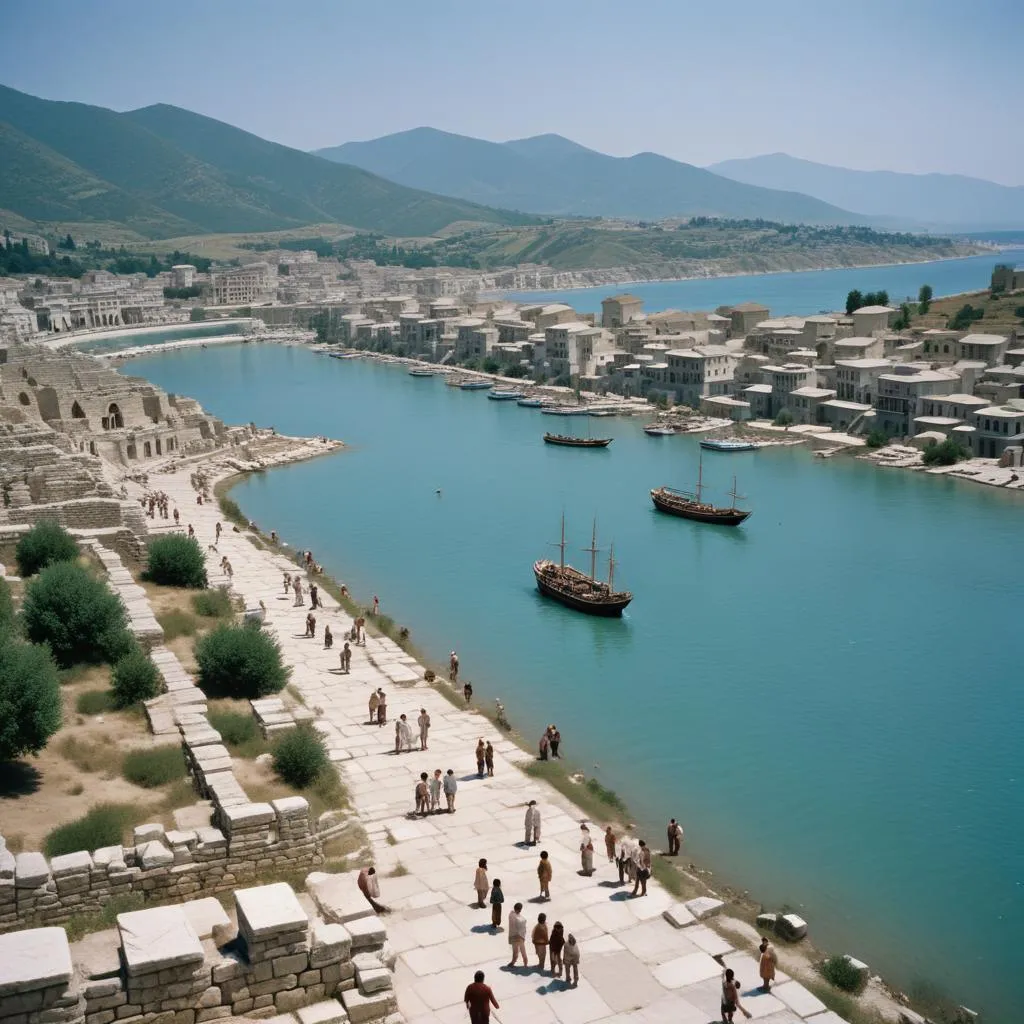
Ephesus was one of the most important cities in Asia Minor during the Roman Empire. Located on the western coast of modern-day Turkey, near the town of Selçuk, Ephesus was a major center of commerce, religion, and learning. Its wealth and influence attracted people from across the region, making it a hub for both trade and culture. The city was also home to the Temple of Artemis, one of the Seven Wonders of the Ancient World, which played a central role in the religious life of the city. Amidst this pagan environment, Ephesus became a crucial center for early Christianity, thanks in part to the ministry of Apostle Paul and other prominent early Christians. Paul spent several years in Ephesus, establishing a Christian community and spreading the gospel, making the city a key location for the nascent Christian faith.
Ephesus in the Book of Revelation
In Revelation 2:1-7, Ephesus is the first of the Seven Churches to receive a message from Christ. Each of these churches, located in Asia Minor, was addressed directly by Christ, who praised, admonished, and provided guidance for their spiritual journeys. The message to the church in Ephesus begins with commendation but also contains a strong rebuke and a call to renewal.
Commendation for Hard Work and Perseverance
Christ begins His message to Ephesus by acknowledging the church’s diligent work and unwavering perseverance. In Revelation 2:2-3, He says, “I know your deeds, your hard work and your perseverance. I know that you cannot tolerate wicked people, that you have tested those who claim to be apostles but are not, and have found them false.” The Ephesian Christians are praised for their commitment to truth, their endurance, and their resistance to false teachings. This commendation reflects the church’s strength in maintaining doctrinal purity and standing firm in the face of challenges.
Admonition for Losing Their First Love
Despite their dedication, the church in Ephesus receives a rebuke: they have “forsaken the love” they had at first (Revelation 2:4). This warning implies that, while the Ephesians remained active in their faith, they had lost the passion and devotion that once characterized their relationship with Christ. The focus on “first love” serves as a reminder that actions and adherence to doctrine are not enough; a genuine, heartfelt connection to Christ is essential. This admonition calls the Ephesians—and by extension, all believers—to examine their spiritual lives. It is a reminder that faith must be driven by love and devotion, not simply by duty or obligation. Christ urges them to remember the love they once had and to renew their commitment to a fervent, personal relationship with Him.
Call to Repentance
Following this rebuke, Christ issues a call to repentance: “Consider how far you have fallen! Repent and do the things you did at first” (Revelation 2:5). The Ephesians are instructed to reflect on their spiritual state, acknowledge where they have strayed, and return to their original zeal and love for Christ. Christ warns that if they do not repent, their “lampstand”—a symbol of their church—will be removed, indicating the loss of their place as a beacon of faith. This call to repentance highlights the importance of spiritual renewal. Christ’s message is not just a warning but also an invitation to return to a passionate, faithful walk with Him. By turning back to their “first love,” the Ephesians can restore their relationship with Christ and continue to serve as a light to others.
Promise to the Faithful
The message to Ephesus concludes with a promise to those who remain faithful: “To the one who is victorious, I will give the right to eat from the tree of life, which is in the paradise of God” (Revelation 2:7). This promise echoes the language of the Garden of Eden, symbolizing eternal life and communion with God. It serves as a reminder that, despite the challenges and admonitions, those who overcome will be rewarded with the ultimate blessing of eternal life. This assurance of victory and reward encourages believers to persevere, maintain their faith, and rekindle their love for Christ. The tree of life represents the hope of eternal fellowship with God, a promise that inspires believers to hold fast to their faith.
Lessons from Ephesus for Today
The message to the church in Ephesus carries valuable lessons for modern Christians. While the commendation for hard work and perseverance is encouraging, the admonition for losing their “first love” serves as a cautionary reminder. This message challenges believers to reflect on their own spiritual journeys, asking whether their actions are driven by love for Christ or merely by habit and obligation.
Maintaining a Heartfelt Relationship with Christ
The Ephesians were active in their faith, but their fervor had waned. Today, it is easy for believers to become focused on the externals of faith—such as attending church, serving, and following religious practices—while losing the passion that once drove them. The call to “do the things you did at first” reminds Christians of the importance of maintaining a personal, heartfelt relationship with Christ, marked by love, devotion, and joy.
Balancing Doctrine with Love
The church in Ephesus was commended for its doctrinal purity and rejection of false teachings. However, the admonition to rekindle their love indicates that holding correct beliefs is not enough on its own. True faith requires a balance between adhering to sound doctrine and cultivating a loving relationship with Christ. The message to Ephesus encourages Christians to seek both truth and love, ensuring that their faith is expressed through genuine devotion.
The Legacy of Ephesus in Christian History
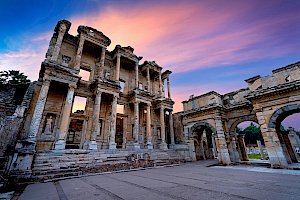
Ephesus remained a significant center of Christianity for centuries after the events recorded in the Book of Revelation. The city hosted the Council of Ephesus in 431 CE, where church leaders gathered to address theological issues and affirm the role of the Virgin Mary as the Theotokos (Mother of God). This council cemented Ephesus’s role in shaping Christian doctrine and reinforced its spiritual legacy. Today, the ruins of Ephesus attract pilgrims and visitors from around the world, who come to experience the city’s rich history and connect with its biblical past. Sites such as the Great Theatre, the Basilica of St. John, and the Church of Mary offer a glimpse into the city’s role in early Christianity. Guided tours, like those provided by ephesustours.biz, allow visitors to walk through the ancient streets of Ephesus, exploring the landmarks that shaped its history.
Conclusion
The message to the church in Ephesus, as the first of the Seven Churches of Revelation, serves as both an encouragement and a warning. It reminds believers of the importance of perseverance, doctrinal purity, and, most importantly, a passionate love for Christ. Ephesus’s legacy in the Bible and Christian history is one of faith, dedication, and spiritual reflection. As we reflect on the words of Christ to this ancient church, we are challenged to renew our own commitment to a love-filled and enduring faith.
Introduction
Discover the fascinating world of The Seven Churches of Revelation: Ephesus in ancient Ephesus. This comprehensive guide explores the historical significance, archaeological findings, and cultural impact of this remarkable aspect of Ephesian heritage.
Historical Background
The history of The Seven Churches of Revelation: Ephesus dates back to the early days of Ephesus. Archaeological evidence suggests that this aspect of Ephesian life played a crucial role in shaping the city's development and cultural identity.
Archaeological Discoveries
Recent excavations have unveiled remarkable findings related to The Seven Churches of Revelation: Ephesus. These discoveries provide valuable insights into how this aspect of Ephesian life evolved over time.
Cultural Significance
Understanding The Seven Churches of Revelation: Ephesus is crucial for appreciating the broader cultural context of ancient Ephesus. Its influence extended beyond the city walls, impacting trade, religion, and daily life.
Visitor Information
Today, visitors to Ephesus can explore the remnants of The Seven Churches of Revelation: Ephesus firsthand. This section provides practical information for making the most of your visit.
Preservation and Future
Ongoing conservation efforts ensure that The Seven Churches of Revelation: Ephesus remains preserved for future generations. Learn about the challenges and successes in maintaining this important historical site.
Frequently Asked Questions
What is the historical significance of The Seven Churches of Revelation: Ephesus?
The The Seven Churches of Revelation: Ephesus holds great historical importance in ancient Ephesus, providing valuable insights into the city's cultural and social development.
What can visitors see related to The Seven Churches of Revelation: Ephesus today?
Visitors to Ephesus can explore well-preserved remains and artifacts related to The Seven Churches of Revelation: Ephesus, offering a glimpse into the ancient world.
When is the best time to visit The Seven Churches of Revelation: Ephesus?
The best time to visit is during the spring (April-May) or autumn (September-October) when the weather is mild and crowds are smaller.
Frequently Asked Questions
What is the historical significance of The Seven Churches of Revelation: Ephesus?
The The Seven Churches of Revelation: Ephesus holds great historical importance in ancient Ephesus, providing valuable insights into the city's cultural and social development.
What can visitors see related to The Seven Churches of Revelation: Ephesus today?
Visitors to Ephesus can explore well-preserved remains and artifacts related to The Seven Churches of Revelation: Ephesus, offering a glimpse into the ancient world.
When is the best time to visit The Seven Churches of Revelation: Ephesus?
The best time to visit is during the spring (April-May) or autumn (September-October) when the weather is mild and crowds are smaller.
Frequently Asked Questions
What is the historical significance of The Seven Churches of Revelation: Ephesus?
The The Seven Churches of Revelation: Ephesus holds great historical importance in ancient Ephesus, providing valuable insights into the city's cultural and social development.
What can visitors see related to The Seven Churches of Revelation: Ephesus today?
Visitors to Ephesus can explore well-preserved remains and artifacts related to The Seven Churches of Revelation: Ephesus, offering a glimpse into the ancient world.
When is the best time to visit The Seven Churches of Revelation: Ephesus?
The best time to visit is during the spring (April-May) or autumn (September-October) when the weather is mild and crowds are smaller.