

What Do We Know About the City of Ephesus in the Bible?
Learn about Ephesus, a prominent biblical city, and its role in early Christianity as a center for Paul's ministry, home to the Temple of Artemis, and the recipient of a message in Revelation. Ephesus, an ancient city located on the western coast of Asia Minor (modern-day Turkey), holds a prominent place in the New Testament and the history of early Christianity. Known for its cultural diversity, bustling commerce, and religious significance, Ephesus is one of the most frequently mentioned cities in the Bible. This article explores what we know about Ephesus in the Bible, including its significance as a center for the Apostle Paul’s ministry, its role in early Christian theology, and its spiritual heritage as highlighted in the Book of Revelation.
1. Ephesus: A Thriving Roman Metropolis
Ephesus was one of the largest cities in the Roman Empire, famous for its strategic location along major trade routes connecting East and West. This advantageous position helped Ephesus grow into a bustling metropolis known for its wealth, cultural achievements, and religious influence.
The Temple of Artemis
The city was home to the Temple of Artemis, one of the Seven Wonders of the Ancient World. Dedicated to Artemis, the goddess of fertility, hunting, and nature, the temple was an enormous structure and a major religious and economic center for the city. It attracted pilgrims and tourists from across the Roman Empire, contributing to Ephesus's reputation as a significant spiritual hub. The Temple of Artemis also played a role in the economic life of Ephesus, as many artisans profited from the sale of statues, charms, and idols dedicated to the goddess. The temple’s influence reflects the deeply ingrained pagan practices of the city, which early Christians, including Paul, would later challenge.
A Center for Commerce and Culture
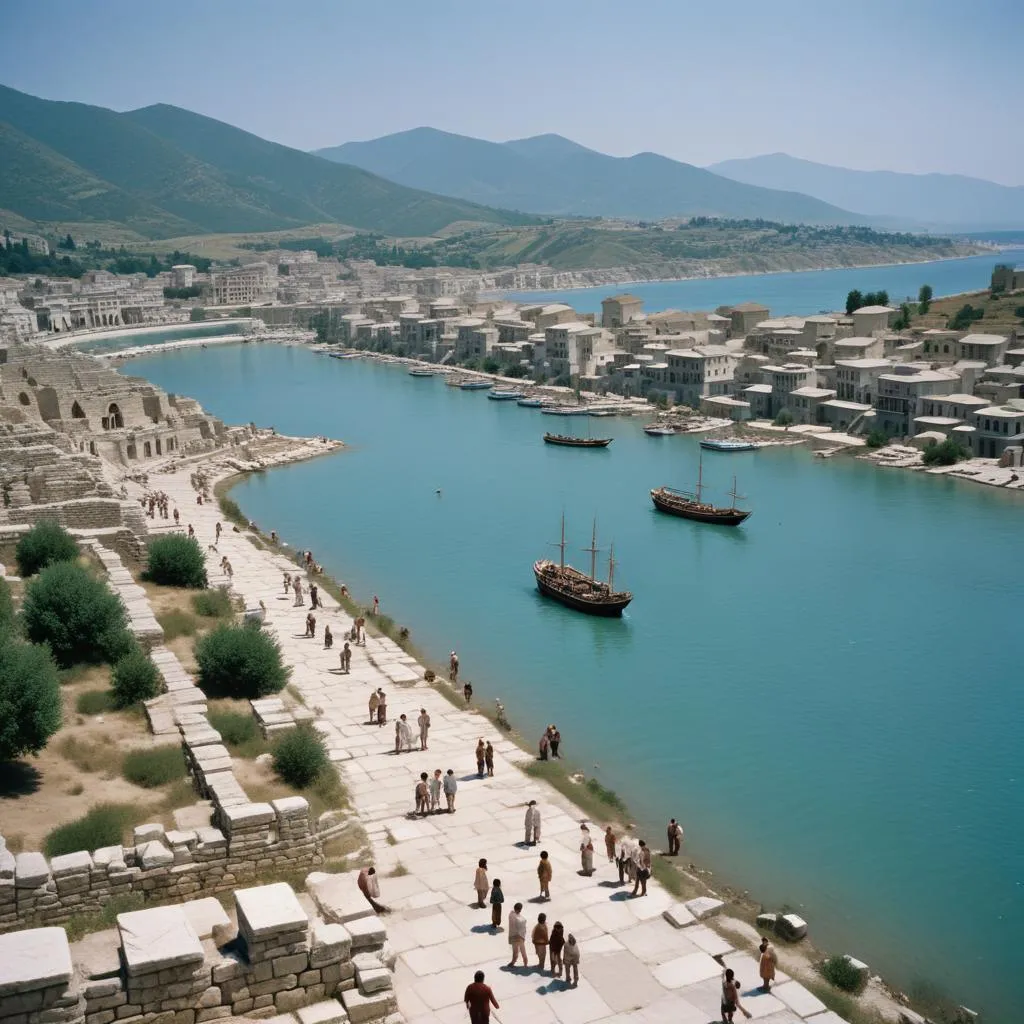
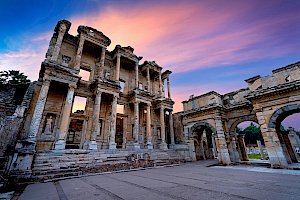
Ephesus was a thriving commercial center, with a bustling harbor and well-established marketplaces. Its impressive architecture included structures like the Library of Celsus, the Great Theatre, and a complex network of streets and public buildings. This environment of cultural and economic prosperity made Ephesus an influential city, both politically and socially.
2. Paul’s Ministry in Ephesus
The Apostle Paul spent a significant amount of time in Ephesus during his third missionary journey, establishing a strong Christian presence in the city. His work in Ephesus is detailed in the Book of Acts, where he is shown preaching, performing miracles, and building a community of believers.
Teaching in the Synagogue and the School of Tyrannus
Paul began his ministry in Ephesus by preaching in the local synagogue. However, when some of the Jewish community resisted his message, he moved to the School of Tyrannus, where he taught daily for two years. This allowed Paul to reach a diverse audience, including both Jews and Gentiles. Acts 19:10 notes that “all the Jews and Greeks who lived in the province of Asia heard the word of the Lord” during Paul’s time in Ephesus, underscoring the city’s importance as a hub for evangelism.
Miracles and Spiritual Transformations
During his time in Ephesus, Paul performed numerous miracles, including healing the sick and casting out evil spirits. These acts of healing were so remarkable that even handkerchiefs or aprons that had touched Paul were used to heal others (Acts 19:11-12). This public display of spiritual power attracted attention and caused many to turn away from pagan practices, leading to a significant spiritual transformation in the city. One notable example of this transformation is the public burning of sorcery scrolls by new believers who renounced their former practices (Acts 19:19). This act reflected the dramatic impact of Paul’s teachings and marked a turning point for many Ephesians as they embraced Christianity.
The Ephesian Riot
Paul’s ministry also led to a confrontation with those who worshipped Artemis, as his teachings threatened the local economy tied to idol-making. A silversmith named Demetrius, who profited from crafting silver idols of Artemis, incited a riot by claiming that Paul’s message was undermining the worship of Artemis. A crowd gathered in the Great Theatre, chanting, “Great is Artemis of the Ephesians!” (Acts 19:28). This confrontation, known as the Ephesian Riot, highlighted the tension between the new Christian faith and the city’s traditional pagan practices. Although the city official managed to calm the crowd, the riot illustrated the social and economic challenges that early Christians faced in Ephesus.
3. Ephesus in the Book of Revelation
Ephesus is one of the seven churches of Asia addressed by Christ in the Book of Revelation. In Revelation 2:1-7, Christ commends the Ephesian church for its hard work, perseverance, and vigilance against false teachings. However, He also admonishes them for having “forsaken the love” they had at first, urging them to repent and return to their initial passion for God.
Praise and Admonition
The message to the Ephesian church reflects both encouragement and warning. Christ acknowledges their dedication to upholding doctrinal purity, but He warns them that without a heartfelt love for God, their efforts are incomplete. This admonition emphasizes the importance of maintaining a personal connection to Christ and not allowing faith to become a matter of routine. The call to repentance in Revelation serves as a reminder of the need for both faithfulness and passion. Christ’s message to Ephesus underscores the city’s spiritual significance in early Christianity and highlights the importance of love and devotion in the Christian life.
4. Ephesus and Early Christian Leaders
Ephesus was an influential center for early Christian leaders, including John the Apostle and Timothy, who contributed to the city’s spiritual heritage.
John the Apostle
Tradition holds that John the Apostle lived in Ephesus during his later years, where he likely wrote the Gospel of John, the Epistles of John, and possibly the Book of Revelation. John’s teachings emphasized the themes of love, truth, and the divinity of Christ, which resonated with the early Christian community in Ephesus. John’s presence in Ephesus reinforced the city’s importance as a center for Christian thought and theology. He also cared for Mary, the mother of Jesus, according to tradition, and the House of the Virgin Mary, located near Ephesus, is believed to be where she spent her final years.
Timothy’s Role
Paul appointed Timothy to oversee the Ephesian church, where he served as a pastor and leader. In 1 Timothy and 2 Timothy, Paul provides guidance to Timothy on church leadership, encouraging him to uphold sound doctrine and appoint trustworthy leaders. Timothy’s role in Ephesus highlights the importance of strong spiritual leadership in maintaining the stability and growth of the early Church.
5. The Council of Ephesus and Its Theological Impact
In 431 CE, Ephesus hosted the Council of Ephesus, an ecumenical council that addressed theological issues, including the nature of Christ and the role of Mary as Theotokos (Mother of God). The council rejected Nestorianism, which proposed a separation between Jesus’ human and divine natures, and affirmed the unity of Christ’s person. The decisions made at the Council of Ephesus had a lasting impact on Christian doctrine, particularly regarding the understanding of Christ’s divinity and the role of Mary. This council reinforced Ephesus’s position as a center for theological development and solidified its spiritual heritage in the history of the Church.
Conclusion
The biblical city of Ephesus was a significant center for early Christian activity, known for its connection to the ministries of Paul and John, its role in the spread of the gospel, and its influence on Christian thought. As a hub of commerce and culture, Ephesus provided an ideal environment for the growth of the early Church and the development of Christian theology. Through events like Paul’s ministry, the Ephesian Riot, and the message in Revelation, Ephesus emerges as a city where faith and culture intersected, leading to both challenges and triumphs for the early Christian community. Today, the ruins of Ephesus serve as a reminder of its rich biblical heritage and enduring legacy, drawing visitors who seek to connect with its remarkable history and spiritual significance.
Introduction
Discover the fascinating world of What Do We Know About the City of Ephesus in the Bible? in ancient Ephesus. This comprehensive guide explores the historical significance, archaeological findings, and cultural impact of this remarkable aspect of Ephesian heritage.
Historical Background
The history of What Do We Know About the City of Ephesus in the Bible? dates back to the early days of Ephesus. Archaeological evidence suggests that this aspect of Ephesian life played a crucial role in shaping the city's development and cultural identity.
Archaeological Discoveries
Recent excavations have unveiled remarkable findings related to What Do We Know About the City of Ephesus in the Bible?. These discoveries provide valuable insights into how this aspect of Ephesian life evolved over time.
Cultural Significance
Understanding What Do We Know About the City of Ephesus in the Bible? is crucial for appreciating the broader cultural context of ancient Ephesus. Its influence extended beyond the city walls, impacting trade, religion, and daily life.
Visitor Information
Today, visitors to Ephesus can explore the remnants of What Do We Know About the City of Ephesus in the Bible? firsthand. This section provides practical information for making the most of your visit.
Preservation and Future
Ongoing conservation efforts ensure that What Do We Know About the City of Ephesus in the Bible? remains preserved for future generations. Learn about the challenges and successes in maintaining this important historical site.
Frequently Asked Questions
What is the historical significance of What Do We Know About the City of Ephesus in the Bible??
The What Do We Know About the City of Ephesus in the Bible? holds great historical importance in ancient Ephesus, providing valuable insights into the city's cultural and social development.
What can visitors see related to What Do We Know About the City of Ephesus in the Bible? today?
Visitors to Ephesus can explore well-preserved remains and artifacts related to What Do We Know About the City of Ephesus in the Bible?, offering a glimpse into the ancient world.
When is the best time to visit What Do We Know About the City of Ephesus in the Bible??
The best time to visit is during the spring (April-May) or autumn (September-October) when the weather is mild and crowds are smaller.
Frequently Asked Questions
What is the historical significance of What Do We Know About the City of Ephesus in the Bible??
The What Do We Know About the City of Ephesus in the Bible? holds great historical importance in ancient Ephesus, providing valuable insights into the city's cultural and social development.
What can visitors see related to What Do We Know About the City of Ephesus in the Bible? today?
Visitors to Ephesus can explore well-preserved remains and artifacts related to What Do We Know About the City of Ephesus in the Bible?, offering a glimpse into the ancient world.
When is the best time to visit What Do We Know About the City of Ephesus in the Bible??
The best time to visit is during the spring (April-May) or autumn (September-October) when the weather is mild and crowds are smaller.
Frequently Asked Questions
What is the historical significance of What Do We Know About the City of Ephesus in the Bible??
The What Do We Know About the City of Ephesus in the Bible? holds great historical importance in ancient Ephesus, providing valuable insights into the city's cultural and social development.
What can visitors see related to What Do We Know About the City of Ephesus in the Bible? today?
Visitors to Ephesus can explore well-preserved remains and artifacts related to What Do We Know About the City of Ephesus in the Bible?, offering a glimpse into the ancient world.
When is the best time to visit What Do We Know About the City of Ephesus in the Bible??
The best time to visit is during the spring (April-May) or autumn (September-October) when the weather is mild and crowds are smaller.