

What Is Ephesus, Turkey Famous For?
Discover the iconic attractions that make Ephesus, Turkey famous, from the ancient ruins and the Temple of Artemis to its connection with early Christianity and the House of the Virgin Mary. Ephesus, located near the town of Selçuk in western Turkey, is one of the most famous archaeological sites in the world. Once a bustling city of the Roman Empire, Ephesus boasts a rich history that spans thousands of years, making it a treasure trove for history enthusiasts and tourists alike. Known for its well-preserved ancient ruins, its role in early Christianity, and its association with the legendary Temple of Artemis, Ephesus draws millions of visitors each year. This article explores the highlights of what makes Ephesus so famous and why it remains a must-see destination in Turkey.
1. The Ancient Ruins of Ephesus
The ruins of Ephesus are among the most impressive in the Mediterranean. Visitors to Ephesus can walk along the ancient streets and explore buildings that reveal the city’s grandeur during its peak as a Roman metropolis. The site is famous for several key structures:
The Library of Celsus
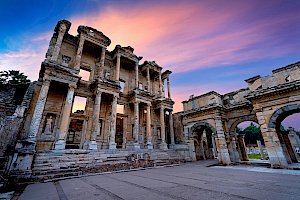
One of the most iconic landmarks in Ephesus, the Library of Celsus was built around 110 CE in honor of Tiberius Julius Celsus Polemaeanus, a Roman senator and governor of Asia. The library once held over 12,000 scrolls and served as both a mausoleum and a cultural center. The intricately designed facade, with its Corinthian columns and statues, is remarkably well-preserved, making it a favorite spot for photographs.
The Great Theatre
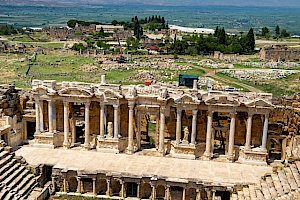
The Great Theatre of Ephesus, capable of seating around 25,000 people, was used for dramatic performances, gladiatorial contests, and public gatherings. Built into the slope of Mt. Pion, the theatre offers spectacular views and is a testament to the architectural prowess of the ancient Ephesians. It was also the site of the Ephesian Riot, mentioned in the Book of Acts, where a crowd protested against the Apostle Paul’s teachings.
The Temple of Hadrian
The Temple of Hadrian is another notable structure, known for its beautifully carved friezes and intricate architectural details. Built in honor of the Emperor Hadrian, this small temple provides insight into the religious practices and artistic achievements of the Ephesians during the Roman era. These ancient ruins offer a glimpse into the grandeur of Ephesus at its peak, showcasing the city’s role as a major center of trade, culture, and political power in the Roman Empire.
2. The Temple of Artemis
Ephesus was home to the Temple of Artemis, one of the Seven Wonders of the Ancient World. The temple, dedicated to Artemis, the goddess of fertility and hunting, was a colossal structure adorned with marble columns, statues, and carvings. Built and rebuilt multiple times, the temple served as a major religious center and attracted pilgrims from across the ancient world. Though only a few remnants of the temple remain today, its legacy continues to draw visitors who are fascinated by its historical and cultural significance. The site of the Temple of Artemis is located just outside the main archaeological area of Ephesus and is an essential stop for those interested in ancient history and mythology.
3. Ephesus in Early Christianity
Ephesus holds a special place in Christian history. The city is mentioned in the New Testament, particularly in the Book of Acts, the Epistle to the Ephesians, and Revelation. Several significant figures in early Christianity were associated with Ephesus, including the Apostle Paul, John the Apostle, and Timothy. Ephesus became a thriving center for the spread of Christianity, with a dedicated Christian community that left a lasting spiritual legacy.
The Apostle Paul’s Ministry
Paul spent several years in Ephesus, where he preached the gospel, performed miracles, and built a strong community of believers. His ministry in Ephesus is detailed in Acts 19, which describes the impact of his teachings and the challenges he faced, including opposition from those who worshipped Artemis. Paul’s Epistle to the Ephesians further emphasizes the importance of the city in his mission to spread Christianity.
The House of the Virgin Mary
According to tradition, Mary, the mother of Jesus, spent her final years near Ephesus under the care of John the Apostle. The House of the Virgin Mary, located on a hill outside Ephesus, is a pilgrimage site for both Christians and Muslims who honor Mary’s role in religious history. The small stone house has been preserved and attracts visitors from around the world who come to pray, reflect, and pay homage to Mary.
The Basilica of St. John
The Basilica of St. John, located near Ephesus, was built in the 6th century over what is believed to be the tomb of John the Apostle. This basilica is an important Christian site, offering insight into the spread of Christianity in Asia Minor. Today, the ruins of the basilica are open to visitors who wish to explore the historical and spiritual significance of the site.
4. Archaeological and Cultural Significance
Ephesus is one of the best-preserved ancient cities in the world, providing invaluable insight into Roman urban planning, architecture, and daily life. The layout of the city, with its marble-paved streets, temples, baths, and residential areas, offers a detailed look at the social, political, and cultural life of the Ephesians. Archaeological excavations in Ephesus have uncovered countless artifacts, including statues, inscriptions, and everyday objects that tell the story of the city’s inhabitants. These discoveries have made Ephesus an essential site for archaeologists and historians, who continue to study and interpret the findings to better understand the ancient world.
5. Modern Tourism and UNESCO World Heritage Status
Ephesus is a UNESCO World Heritage Site and one of Turkey’s most visited attractions. Each year, millions of tourists explore the ruins of Ephesus, marveling at its architectural beauty and historical significance. The city’s popularity has been fueled by its blend of ancient history, religious importance, and cultural heritage, making it a top destination for travelers from all over the world. The Turkish government and international organizations have worked to preserve the ruins, allowing future generations to experience the legacy of Ephesus. Visitors can enjoy guided tours, explore the archaeological museum, and walk through the remains of an ancient city that has captivated the world for centuries.
Conclusion
Ephesus is famous for its breathtaking ruins, historical significance, and religious heritage. From the awe-inspiring Library of Celsus to the hallowed grounds of the Temple of Artemis and the House of the Virgin Mary, Ephesus offers a unique window into the past. Its role in early Christianity and its status as a center of ancient culture continue to make it a destination of profound interest for historians, pilgrims, and tourists alike. As visitors walk through the remnants of this once-great city, they experience a place where history, faith, and culture converge, leaving a lasting impression on all who explore its ancient streets.
Introduction
Discover the fascinating world of What Is Ephesus, Turkey Famous For? in ancient Ephesus. This comprehensive guide explores the historical significance, archaeological findings, and cultural impact of this remarkable aspect of Ephesian heritage.
Historical Background
The history of What Is Ephesus, Turkey Famous For? dates back to the early days of Ephesus. Archaeological evidence suggests that this aspect of Ephesian life played a crucial role in shaping the city's development and cultural identity.
Archaeological Discoveries
Recent excavations have unveiled remarkable findings related to What Is Ephesus, Turkey Famous For?. These discoveries provide valuable insights into how this aspect of Ephesian life evolved over time.
Visitor Information
Today, visitors to Ephesus can explore the remnants of What Is Ephesus, Turkey Famous For? firsthand. This section provides practical information for making the most of your visit.
Preservation and Future
Ongoing conservation efforts ensure that What Is Ephesus, Turkey Famous For? remains preserved for future generations. Learn about the challenges and successes in maintaining this important historical site.
Frequently Asked Questions
What is the historical significance of What Is Ephesus, Turkey Famous For??
The What Is Ephesus, Turkey Famous For? holds great historical importance in ancient Ephesus, providing valuable insights into the city's cultural and social development.
What can visitors see related to What Is Ephesus, Turkey Famous For? today?
Visitors to Ephesus can explore well-preserved remains and artifacts related to What Is Ephesus, Turkey Famous For?, offering a glimpse into the ancient world.
When is the best time to visit What Is Ephesus, Turkey Famous For??
The best time to visit is during the spring (April-May) or autumn (September-October) when the weather is mild and crowds are smaller.
Frequently Asked Questions
What is the historical significance of What Is Ephesus, Turkey Famous For??
The What Is Ephesus, Turkey Famous For? holds great historical importance in ancient Ephesus, providing valuable insights into the city's cultural and social development.
What can visitors see related to What Is Ephesus, Turkey Famous For? today?
Visitors to Ephesus can explore well-preserved remains and artifacts related to What Is Ephesus, Turkey Famous For?, offering a glimpse into the ancient world.
When is the best time to visit What Is Ephesus, Turkey Famous For??
The best time to visit is during the spring (April-May) or autumn (September-October) when the weather is mild and crowds are smaller.
Frequently Asked Questions
What is the historical significance of What Is Ephesus, Turkey Famous For??
The What Is Ephesus, Turkey Famous For? holds great historical importance in ancient Ephesus, providing valuable insights into the city's cultural and social development.
What can visitors see related to What Is Ephesus, Turkey Famous For? today?
Visitors to Ephesus can explore well-preserved remains and artifacts related to What Is Ephesus, Turkey Famous For?, offering a glimpse into the ancient world.
When is the best time to visit What Is Ephesus, Turkey Famous For??
The best time to visit is during the spring (April-May) or autumn (September-October) when the weather is mild and crowds are smaller.