
What Is the Significance of Ephesus in the Bible?
Discover the biblical significance of Ephesus, a key city in early Christianity known for the ministries of Paul and John, its role in the spread of the gospel, and its enduring spiritual legacy. Ephesus, an ancient city located on the western coast of Asia Minor (modern-day Turkey), holds a special place in the Bible and the history of early Christianity. This bustling port city was one of the largest in the Roman Empire, known for its cultural diversity, religious sites, and economic influence. In the New Testament, Ephesus is highlighted as a center for missionary activity, theological development, and a community that deeply shaped the spread of the Christian faith. This article explores the significance of Ephesus in the Bible, examining its role in the ministries of early apostles, its place in Christian teachings, and its spiritual legacy.
Ephesus as a Center for Paul’s Ministry
The Apostle Paul is closely associated with Ephesus, where he spent a significant amount of time establishing a Christian community and spreading the gospel. During his third missionary journey, Paul stayed in Ephesus for nearly three years, making it one of his most important missions and one of the longest periods he spent in any city.
Paul’s Work and Teachings in Ephesus
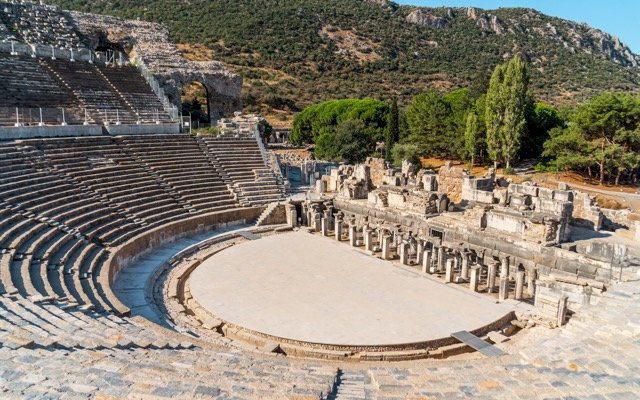
In Acts 19, Paul’s ministry in Ephesus is described in detail. He preached the gospel to Jews and Gentiles alike, held daily discussions in the School of Tyrannus, and performed miracles that attracted a following. Paul’s presence in Ephesus led to the spread of Christianity throughout the region, as his teachings influenced not only the people of Ephesus but also those who traveled through this major trade center. The city’s strong religious culture, including the famous Temple of Artemis, presented both opportunities and challenges for Paul. He encountered opposition from local craftsmen, particularly those who made silver idols of Artemis. This led to the Ephesian Riot, where a crowd gathered in the Great Theatre chanting, “Great is Artemis of the Ephesians!” (Acts 19:28). Despite this opposition, Paul’s work laid the foundation for a thriving Christian community in Ephesus.
The Epistle to the Ephesians
Paul later wrote The Epistle to the Ephesians, a letter that is part of the New Testament. Although it may have been intended as a circular letter for multiple churches in Asia Minor, the letter provides insights into Paul’s vision for the church in Ephesus. Paul emphasizes themes of unity, grace, and spiritual maturity, encouraging believers to live in harmony and to grow in their faith. One of the key messages in Ephesians is the idea of the Body of Christ—the church as a unified community where each member plays a vital role. Paul also speaks about the Armor of God in Ephesians 6:10-18, a metaphor for spiritual strength and resilience. This teaching reflects Paul’s concern for the spiritual well-being of the Ephesian church and his desire to see them stand firm in the face of challenges.
Ephesus and the Apostle John
Tradition holds that John the Apostle spent his later years in Ephesus, where he continued to teach and guide the early Christian community. John is believed to have written the Gospel of John, the Epistles of John, and the Book of Revelation during his time in Ephesus. His writings provide a unique theological perspective and emphasize the divinity of Jesus, love, and eternal life.
John’s Leadership in Ephesus
John’s role in Ephesus extended beyond his writings; he served as a spiritual leader for the community and helped to establish a foundation of faith and devotion. John’s teachings on love and truth are central themes in his epistles, encouraging believers to walk in the light of Christ and to love one another as an expression of their faith. His presence in Ephesus strengthened the church and provided continuity of leadership after Paul’s departure.
The House of the Virgin Mary
According to Christian tradition, Mary, the mother of Jesus, spent her final years in Ephesus under the care of John, following Jesus’ instructions from the Cross. The House of the Virgin Mary, located on a hill near Ephesus, is a pilgrimage site for both Christians and Muslims who honor Mary’s role in religious history. This connection to Mary adds another layer of spiritual significance to Ephesus, linking it to both Jesus’ ministry and the early Christian community.
Ephesus in the Book of Revelation
In the Book of Revelation, Ephesus is the first of the seven churches of Asia addressed by Christ. In Revelation 2:1-7, Christ commends the church in Ephesus for its hard work, perseverance, and rejection of false teachings. However, He also admonishes them for forsaking their “first love,” urging them to rekindle their devotion. This message to the Ephesian church highlights the importance of maintaining a passionate and heartfelt faith. While the Ephesians were diligent in their beliefs and actions, they had lost the fervor that had once characterized their relationship with Christ. Christ’s call for repentance serves as a reminder that faith is not just about actions but also about a loving and personal relationship with God. The message to Ephesus in Revelation reflects both praise and warning, illustrating the spiritual challenges faced by early Christian communities. This passage continues to resonate with believers today, offering insights into the need for both doctrinal integrity and heartfelt devotion.
Ephesus as a Hub for Early Christian Development
Ephesus’s strategic location and cultural diversity made it an ideal center for the spread of Christianity. The city was not only a place where the gospel was preached but also a location for theological development and doctrinal discussions. The Council of Ephesus in 431 CE further solidified the city’s role in Christian history by addressing the nature of Christ and affirming Mary’s title as Theotokos (Mother of God). This council contributed to the unity of Christian doctrine and reinforced Ephesus’s importance as a spiritual center. Ephesus became a model for other Christian communities, demonstrating the balance between faithfulness to doctrine and love for one another. Through the ministries of Paul, John, and others, Ephesus emerged as a leading city for early Christian thought, worship, and community life.
The Lasting Legacy of Ephesus in Christian Heritage
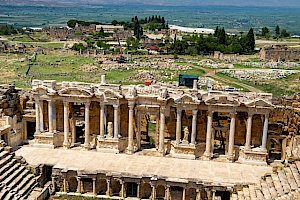
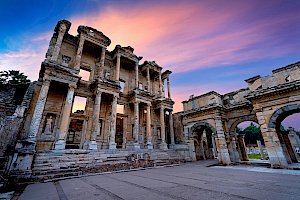
The biblical significance of Ephesus endures today through its spiritual legacy and the lessons it offers for believers. The messages and teachings associated with Ephesus emphasize the importance of love, unity, and perseverance in the Christian faith. The city’s ruins, including the Great Theatre, the Library of Celsus, and the Basilica of St. John, draw pilgrims and visitors who seek to connect with the early Church and its history. Ephesus serves as a reminder of the early Christian community’s struggles and triumphs, highlighting the city’s role in shaping Christian teachings and practices. Its association with key figures like Paul and John adds to its spiritual significance, providing a link to the foundational years of Christianity.
Conclusion
Ephesus is significant in the Bible as a center of early Christian ministry, theological development, and spiritual devotion. Through the teachings of Paul, John, and others, Ephesus became a place where the gospel was not only preached but also lived out by a committed community of believers. The city’s role in the New Testament and its enduring legacy remind us of the importance of faith, love, and perseverance. Today, the ruins of Ephesus continue to inspire visitors from around the world. As we reflect on its biblical significance, we are reminded of the rich heritage of early Christianity and the timeless lessons that Ephesus offers to believers everywhere. Whether exploring its historical sites or studying the messages addressed to its church, Ephesus remains a beacon of faith that continues to shine through the ages.
Introduction
Discover the fascinating world of What Is the Significance of Ephesus in the Bible? in ancient Ephesus. This comprehensive guide explores the historical significance, archaeological findings, and cultural impact of this remarkable aspect of Ephesian heritage.
Historical Background
The history of What Is the Significance of Ephesus in the Bible? dates back to the early days of Ephesus. Archaeological evidence suggests that this aspect of Ephesian life played a crucial role in shaping the city's development and cultural identity.
Archaeological Discoveries
Recent excavations have unveiled remarkable findings related to What Is the Significance of Ephesus in the Bible?. These discoveries provide valuable insights into how this aspect of Ephesian life evolved over time.
Cultural Significance
Understanding What Is the Significance of Ephesus in the Bible? is crucial for appreciating the broader cultural context of ancient Ephesus. Its influence extended beyond the city walls, impacting trade, religion, and daily life.
Visitor Information
Today, visitors to Ephesus can explore the remnants of What Is the Significance of Ephesus in the Bible? firsthand. This section provides practical information for making the most of your visit.
Preservation and Future
Ongoing conservation efforts ensure that What Is the Significance of Ephesus in the Bible? remains preserved for future generations. Learn about the challenges and successes in maintaining this important historical site.
Frequently Asked Questions
What is the historical significance of What Is the Significance of Ephesus in the Bible??
The What Is the Significance of Ephesus in the Bible? holds great historical importance in ancient Ephesus, providing valuable insights into the city's cultural and social development.
What can visitors see related to What Is the Significance of Ephesus in the Bible? today?
Visitors to Ephesus can explore well-preserved remains and artifacts related to What Is the Significance of Ephesus in the Bible?, offering a glimpse into the ancient world.
When is the best time to visit What Is the Significance of Ephesus in the Bible??
The best time to visit is during the spring (April-May) or autumn (September-October) when the weather is mild and crowds are smaller.
Frequently Asked Questions
What is the historical significance of What Is the Significance of Ephesus in the Bible??
The What Is the Significance of Ephesus in the Bible? holds great historical importance in ancient Ephesus, providing valuable insights into the city's cultural and social development.
What can visitors see related to What Is the Significance of Ephesus in the Bible? today?
Visitors to Ephesus can explore well-preserved remains and artifacts related to What Is the Significance of Ephesus in the Bible?, offering a glimpse into the ancient world.
When is the best time to visit What Is the Significance of Ephesus in the Bible??
The best time to visit is during the spring (April-May) or autumn (September-October) when the weather is mild and crowds are smaller.
Frequently Asked Questions
What is the historical significance of What Is the Significance of Ephesus in the Bible??
The What Is the Significance of Ephesus in the Bible? holds great historical importance in ancient Ephesus, providing valuable insights into the city's cultural and social development.
What can visitors see related to What Is the Significance of Ephesus in the Bible? today?
Visitors to Ephesus can explore well-preserved remains and artifacts related to What Is the Significance of Ephesus in the Bible?, offering a glimpse into the ancient world.
When is the best time to visit What Is the Significance of Ephesus in the Bible??
The best time to visit is during the spring (April-May) or autumn (September-October) when the weather is mild and crowds are smaller.