
Why Ephesus is Revered as Mary’s Final Home
Ephesus, one of the most storied cities of the ancient world, holds a special place in the hearts of Christians around the world. Known as the city where the Virgin Mary spent her final days, Ephesus draws millions of visitors each year who come to honor her life and legacy. This blog post delves into why Ephesus is regarded as Mary’s last home, exploring the historical and religious significance of this ancient city and the House of the Virgin Mary.
1. Historical Importance of Ephesus
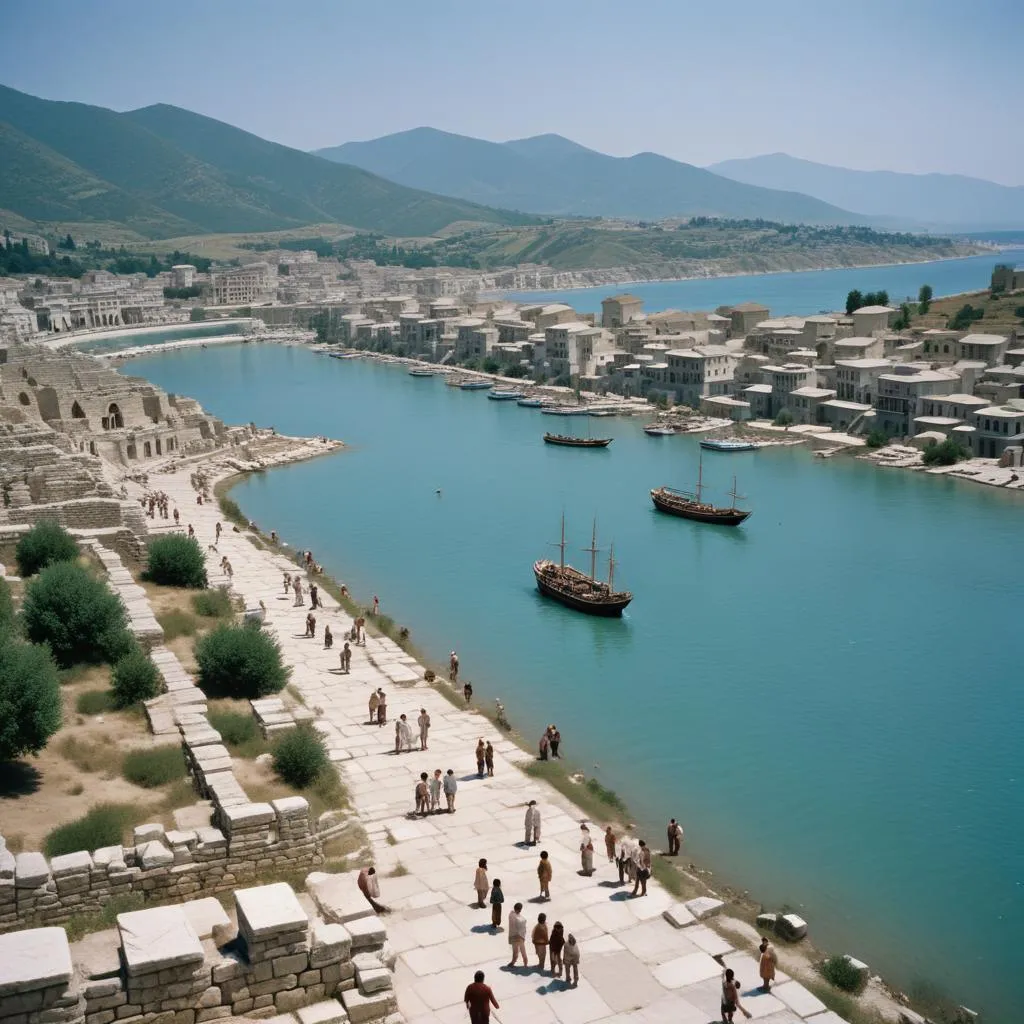
Ephesus was once a thriving port city on the western coast of Asia Minor (modern-day Turkey). Renowned for its role in commerce, culture, and religion, Ephesus was home to the Temple of Artemis, one of the Seven Wonders of the Ancient World. The city became a major center for early Christianity, with mentions in the New Testament as a site where the Apostle Paul preached and where the Apostle John is said to have settled.
2. Mary’s Journey to Ephesus with John the Apostle
According to Christian tradition, Jesus entrusted his mother, Mary, to John the Apostle before his death. Following this charge, John brought Mary to Ephesus, where he had already established a Christian community. Ephesus was a logical choice, as it offered safety and a supportive environment for Mary during the tumultuous early years of Christianity. Here, she is believed to have lived quietly until her Assumption into heaven.
3. The House of the Virgin Mary
The tradition of Mary’s residence in Ephesus was solidified with the discovery of a small stone house on Mount Koressos, which is now known as the House of the Virgin Mary. This modest building, which features a cross-shaped layout and simple furnishings, has become one of the most important Christian pilgrimage sites in the world. Archaeological studies indicate that parts of the house date back to the 1st century, aligning with the time Mary would have lived there. The house’s setting on the serene slopes of Mount Koressos enhances its spiritual ambiance, attracting visitors who come to pray, reflect, and pay homage.
4. Religious Significance and Pilgrimage
The House of the Virgin Mary is revered by both Christians and Muslims, as Mary is venerated in Islam as the mother of the prophet Jesus. Since the 19th century, when the site was rediscovered, pilgrims have flocked to Ephesus from around the world. Many come for the Feast of the Assumption on August 15, celebrating Mary’s ascent to heaven. The site has been visited by various Popes, affirming its place in the Catholic Church and emphasizing its importance within Christianity. Visitors can leave prayers on a wishing wall near the house, and it’s common to find pieces of cloth, paper notes, and tokens left behind by those who seek Mary’s intercession. The tranquil surroundings and the peaceful nature of the site contribute to an atmosphere that fosters reflection and spiritual connection.
5. Legacy of the Third Ecumenical Council
Ephesus is also significant for the Third Ecumenical Council, held in 431 AD, where church leaders affirmed Mary’s title as Theotokos, or “Mother of God.” This council was a pivotal moment in Christian history, solidifying Mary’s place in doctrine and underscoring her importance as the mother of Jesus. The council’s decision further elevated Ephesus as a Marian city, linking it eternally to Mary’s legacy.
6. Why Ephesus Remains a Sacred Site
Ephesus is more than an archaeological wonder; it’s a city that bridges history, faith, and devotion. For many, visiting Ephesus is not only a journey to the ancient world but also a deeply personal pilgrimage to honor Mary. The House of the Virgin Mary offers a unique space for interfaith reverence, as people from different religions come together to celebrate her life. This sense of unity, combined with the site’s historical and spiritual significance, continues to draw people from all corners of the world. Conclusion Ephesus is revered as Mary’s final home because it serves as a living testament to her life and influence. From the serenity of Mount Koressos to the echoes of the Third Ecumenical Council, Ephesus stands as a place of sacred heritage. Today, the city remains a symbol of faith, inviting pilgrims to walk in the footsteps of the Virgin Mary and to experience a profound sense of connection with one of Christianity’s most beloved figures. For additional historical context on Ephesus, you can visit the Wikipedia page on Ephesus.
Introduction
Discover the fascinating world of Why Ephesus is Revered as Mary’s Final Home in ancient Ephesus. This comprehensive guide explores the historical significance, archaeological findings, and cultural impact of this remarkable aspect of Ephesian heritage.
Historical Background
The history of Why Ephesus is Revered as Mary’s Final Home dates back to the early days of Ephesus. Archaeological evidence suggests that this aspect of Ephesian life played a crucial role in shaping the city's development and cultural identity.
Archaeological Discoveries
Recent excavations have unveiled remarkable findings related to Why Ephesus is Revered as Mary’s Final Home. These discoveries provide valuable insights into how this aspect of Ephesian life evolved over time.
Cultural Significance
Understanding Why Ephesus is Revered as Mary’s Final Home is crucial for appreciating the broader cultural context of ancient Ephesus. Its influence extended beyond the city walls, impacting trade, religion, and daily life.
Visitor Information
Today, visitors to Ephesus can explore the remnants of Why Ephesus is Revered as Mary’s Final Home firsthand. This section provides practical information for making the most of your visit.
Preservation and Future
Ongoing conservation efforts ensure that Why Ephesus is Revered as Mary’s Final Home remains preserved for future generations. Learn about the challenges and successes in maintaining this important historical site.
Frequently Asked Questions
What is the historical significance of Why Ephesus is Revered as Mary’s Final Home?
The Why Ephesus is Revered as Mary’s Final Home holds great historical importance in ancient Ephesus, providing valuable insights into the city's cultural and social development.
What can visitors see related to Why Ephesus is Revered as Mary’s Final Home today?
Visitors to Ephesus can explore well-preserved remains and artifacts related to Why Ephesus is Revered as Mary’s Final Home, offering a glimpse into the ancient world.
When is the best time to visit Why Ephesus is Revered as Mary’s Final Home?
The best time to visit is during the spring (April-May) or autumn (September-October) when the weather is mild and crowds are smaller.
Frequently Asked Questions
What is the historical significance of Why Ephesus is Revered as Mary’s Final Home?
The Why Ephesus is Revered as Mary’s Final Home holds great historical importance in ancient Ephesus, providing valuable insights into the city's cultural and social development.
What can visitors see related to Why Ephesus is Revered as Mary’s Final Home today?
Visitors to Ephesus can explore well-preserved remains and artifacts related to Why Ephesus is Revered as Mary’s Final Home, offering a glimpse into the ancient world.
When is the best time to visit Why Ephesus is Revered as Mary’s Final Home?
The best time to visit is during the spring (April-May) or autumn (September-October) when the weather is mild and crowds are smaller.
Frequently Asked Questions
What is the historical significance of Why Ephesus is Revered as Mary’s Final Home?
The Why Ephesus is Revered as Mary’s Final Home holds great historical importance in ancient Ephesus, providing valuable insights into the city's cultural and social development.
What can visitors see related to Why Ephesus is Revered as Mary’s Final Home today?
Visitors to Ephesus can explore well-preserved remains and artifacts related to Why Ephesus is Revered as Mary’s Final Home, offering a glimpse into the ancient world.
When is the best time to visit Why Ephesus is Revered as Mary’s Final Home?
The best time to visit is during the spring (April-May) or autumn (September-October) when the weather is mild and crowds are smaller.