
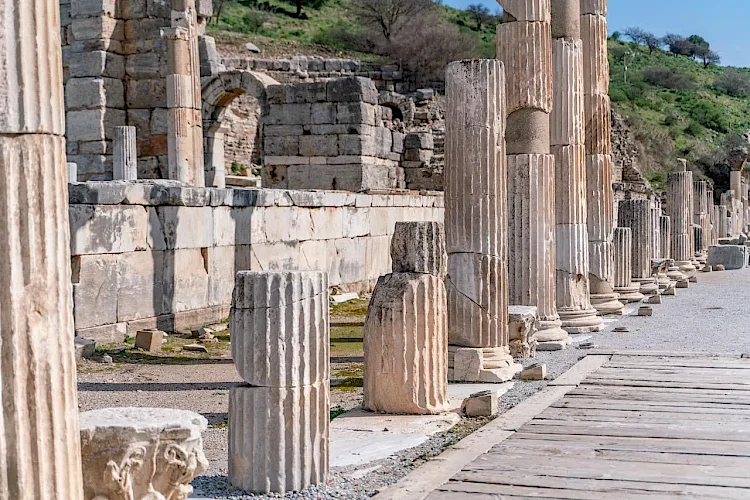
A Historical Timeline of Ephesus: Key Events and Figures
Explore a historical timeline of Ephesus, highlighting key events and influential figures that shaped the ancient city from its founding to its decline. Ephesus, one of the most significant cities of the ancient world, has a rich and complex history that spans thousands of years. From its founding as a Greek settlement to its prominence under Roman rule and its later decline, Ephesus has been home to many important events and figures. This timeline highlights the key milestones in the history of Ephesus.
Timeline of Ephesus
1. Founding and Early Years (10th Century BCE)
- c. 1000 BCE: According to tradition, Ephesus was founded by Ionian Greeks. It quickly became an important center for trade and culture.
- c. 850 BCE: The city develops as a commercial hub due to its strategic location along trade routes and its proximity to the coast.
2. The Temple of Artemis (6th Century BCE)
- c. 550 BCE: The original Temple of Artemis, dedicated to the goddess of fertility, is constructed. It becomes one of the largest temples of its time and a major religious center, attracting pilgrims from all over the Mediterranean.
- c. 356 BCE: The temple is destroyed by arson committed by a man named Herostratus, who sought fame through this act.
3. Hellenistic Period (4th - 3rd Century BCE)
- c. 334 BCE: Alexander the Great conquers the region. Following his death, Ephesus falls under the control of the Hellenistic Kingdom of Pergamon.
- c. 281 BCE: The city becomes part of the kingdom established by the Attalid dynasty, which enhances Ephesus's prosperity and influence.
4. Roman Period (2nd Century BCE - 4th Century CE)
- c. 133 BCE: Ephesus becomes part of the Roman Republic when the last king of Pergamon bequeaths his kingdom to Rome.
- c. 1st Century CE: Ephesus flourishes as a major urban center in the Roman Empire, known for its wealth, trade, and architectural achievements.
- c. 60-62 CE: The Apostle Paul visits Ephesus, establishing a Christian community and preaching the Gospel, which is documented in the New Testament.
- c. 100 CE: John the Apostle is believed to have settled in Ephesus and may have written the Gospel of John and the Book of Revelation during this period.
5. Late Antiquity (4th - 5th Century CE)
- c. 431 CE: The Council of Ephesus takes place, addressing theological disputes and affirming the role of Mary as the Mother of God, further establishing Ephesus as a significant center of early Christianity.
- c. 452 CE: The city is recognized as a vital ecclesiastical center, leading to the construction of several churches and basilicas.
6. Decline and Abandonment (6th - 15th Century CE)
- c. 7th Century CE: Ephesus begins to decline due to the changing trade routes, the siltation of its harbor, and invasions.
- c. 1300 CE: The city is largely abandoned as residents move to nearby settlements like Selçuk, driven by economic decline and loss of maritime access.
- c. 1400 CE: Ephesus is referred to as a "lost city," with its ruins becoming overgrown and forgotten.
7. Rediscovery and Archaeological Efforts (19th Century CE - Present)
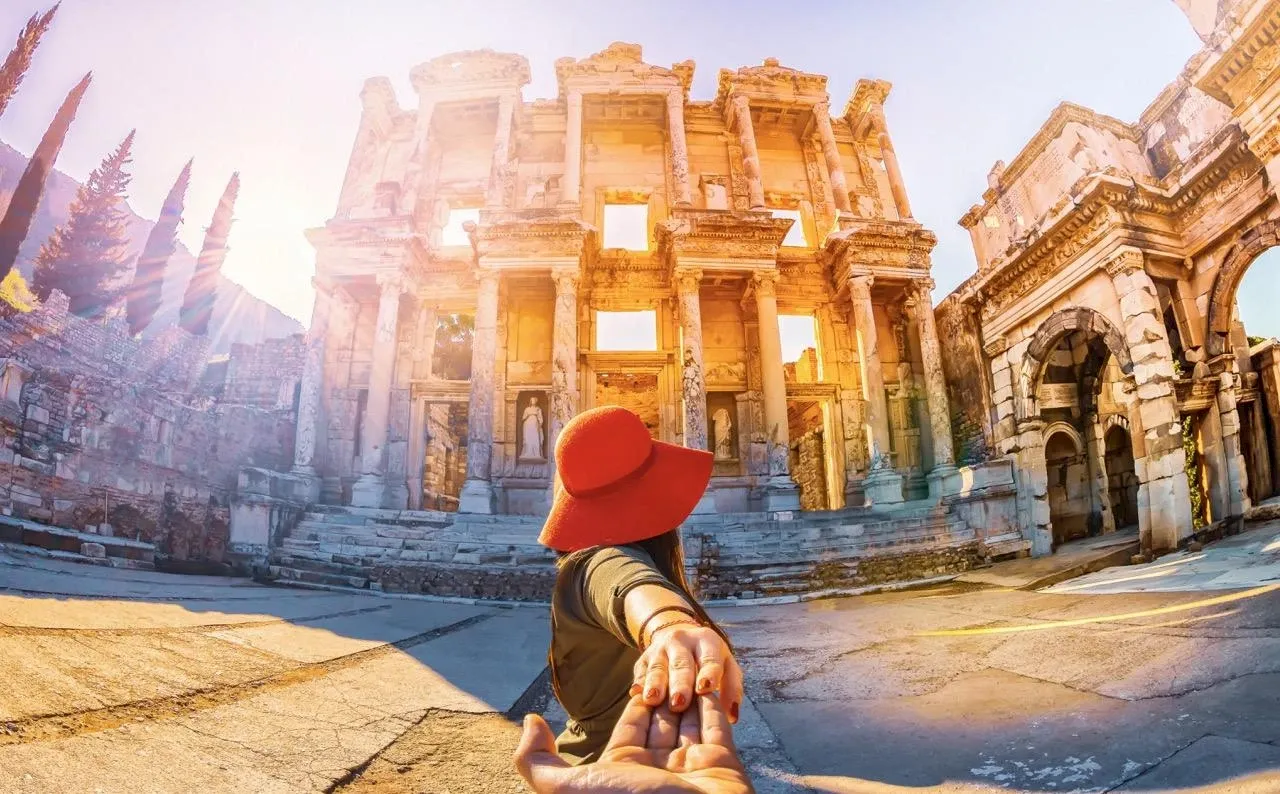
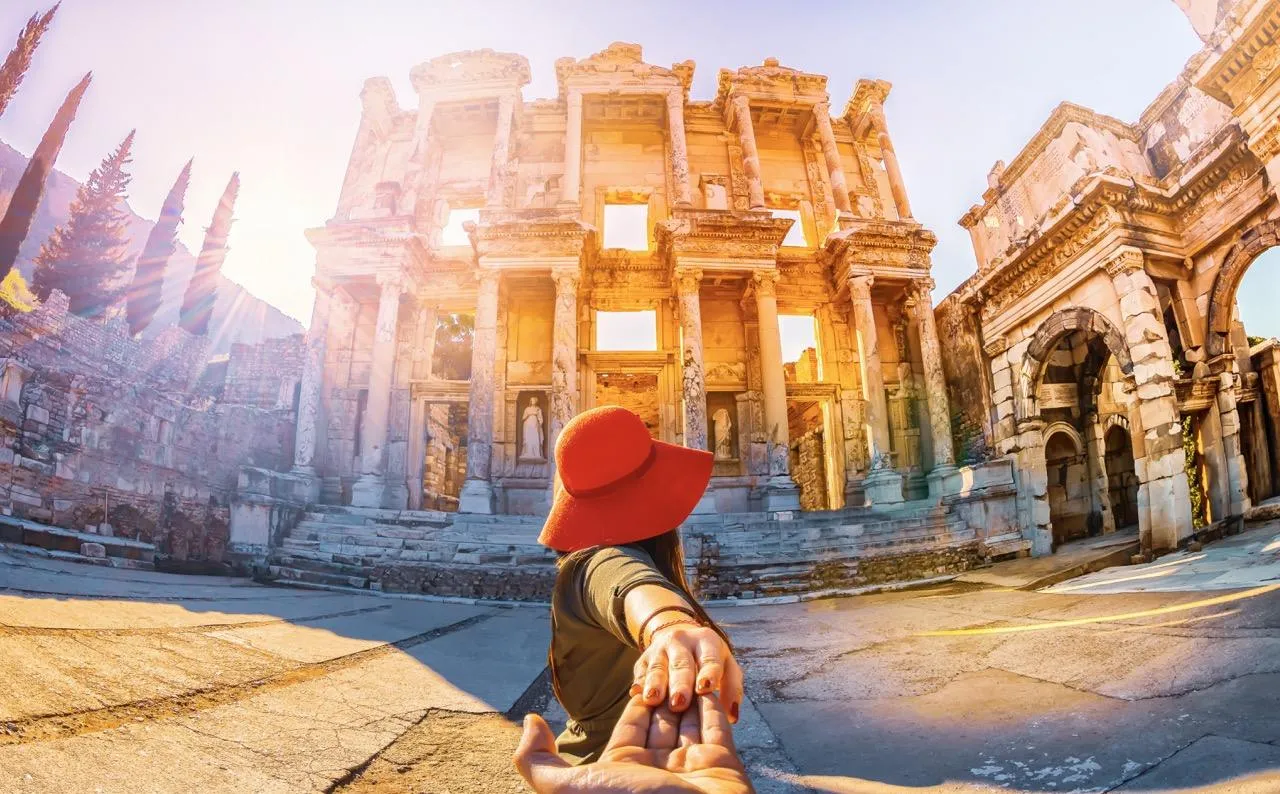
- 1869: Archaeological excavations begin under the leadership of British archaeologist John Turtle Wood, leading to the discovery of the Library of Celsus and other significant structures.
- 1900s - Present: Ongoing excavations and conservation efforts continue to uncover new artifacts and structures, with Ephesus recognized as a UNESCO World Heritage Site in 2015.
Key Figures in Ephesus History
- Herostratus: Infamous for burning the Temple of Artemis in 356 BCE in pursuit of fame.
- Paul the Apostle: Played a crucial role in spreading Christianity in Ephesus during the 1st century CE.
- John the Apostle: Believed to have settled in Ephesus, influencing the early Christian community and possibly writing the Gospel of John.
- Tiberius Julius Celsus Polemaeanus: The Roman senator for whom the Library of Celsus was built as a monumental tomb.
Conclusion
Ephesus's rich history is marked by significant events and influential figures that shaped its cultural and religious landscape. From its origins as a Greek settlement to its prominence as a center of trade and early Christianity, Ephesus continues to captivate visitors with its remarkable ruins and storied past. As archaeological efforts uncover new insights into this ancient city, the legacy of Ephesus endures, inviting exploration and appreciation of its historical significance.
Introduction
Discover the fascinating world of A Historical Timeline of Ephesus: Key Events and Figures in ancient Ephesus. This comprehensive guide explores the historical significance, archaeological findings, and cultural impact of this remarkable aspect of Ephesian heritage.
Historical Background
The history of A Historical Timeline of Ephesus: Key Events and Figures dates back to the early days of Ephesus. Archaeological evidence suggests that this aspect of Ephesian life played a crucial role in shaping the city's development and cultural identity.
Archaeological Discoveries
Recent excavations have unveiled remarkable findings related to A Historical Timeline of Ephesus: Key Events and Figures. These discoveries provide valuable insights into how this aspect of Ephesian life evolved over time.
Cultural Significance
Understanding A Historical Timeline of Ephesus: Key Events and Figures is crucial for appreciating the broader cultural context of ancient Ephesus. Its influence extended beyond the city walls, impacting trade, religion, and daily life.
Visitor Information
Today, visitors to Ephesus can explore the remnants of A Historical Timeline of Ephesus: Key Events and Figures firsthand. This section provides practical information for making the most of your visit.
Preservation and Future
Ongoing conservation efforts ensure that A Historical Timeline of Ephesus: Key Events and Figures remains preserved for future generations. Learn about the challenges and successes in maintaining this important historical site.
Frequently Asked Questions
What is the historical significance of A Historical Timeline of Ephesus: Key Events and Figures?
The A Historical Timeline of Ephesus: Key Events and Figures holds great historical importance in ancient Ephesus, providing valuable insights into the city's cultural and social development.
What can visitors see related to A Historical Timeline of Ephesus: Key Events and Figures today?
Visitors to Ephesus can explore well-preserved remains and artifacts related to A Historical Timeline of Ephesus: Key Events and Figures, offering a glimpse into the ancient world.
When is the best time to visit A Historical Timeline of Ephesus: Key Events and Figures?
The best time to visit is during the spring (April-May) or autumn (September-October) when the weather is mild and crowds are smaller.
Frequently Asked Questions
What is the historical significance of A Historical Timeline of Ephesus: Key Events and Figures?
The A Historical Timeline of Ephesus: Key Events and Figures holds great historical importance in ancient Ephesus, providing valuable insights into the city's cultural and social development.
What can visitors see related to A Historical Timeline of Ephesus: Key Events and Figures today?
Visitors to Ephesus can explore well-preserved remains and artifacts related to A Historical Timeline of Ephesus: Key Events and Figures, offering a glimpse into the ancient world.
When is the best time to visit A Historical Timeline of Ephesus: Key Events and Figures?
The best time to visit is during the spring (April-May) or autumn (September-October) when the weather is mild and crowds are smaller.
Frequently Asked Questions
What is the historical significance of A Historical Timeline of Ephesus: Key Events and Figures?
The A Historical Timeline of Ephesus: Key Events and Figures holds great historical importance in ancient Ephesus, providing valuable insights into the city's cultural and social development.
What can visitors see related to A Historical Timeline of Ephesus: Key Events and Figures today?
Visitors to Ephesus can explore well-preserved remains and artifacts related to A Historical Timeline of Ephesus: Key Events and Figures, offering a glimpse into the ancient world.
When is the best time to visit A Historical Timeline of Ephesus: Key Events and Figures?
The best time to visit is during the spring (April-May) or autumn (September-October) when the weather is mild and crowds are smaller.