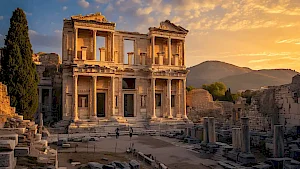


Discovering the Hidden Gems of Ephesus
Explore the lesser-known treasures of Ephesus beyond the famous ruins. Discover hidden gems, unique sites, and local experiences that make your visit to this ancient city unforgettable. While Ephesus is renowned for its grand structures like the Library of Celsus and the Great Theatre, the ancient city is also home to numerous hidden gems waiting to be explored. These lesser-known sites offer a unique glimpse into Ephesus’s rich history and cultural heritage. Here’s a guide to some of the hidden treasures of Ephesus that you won’t want to miss.
1. The Terrace Houses
Overview: Often overshadowed by the more famous ruins, the Terrace Houses are a remarkable discovery showcasing the opulent lifestyle of Ephesus’s wealthiest citizens.
What to See:
- Mosaics and Frescoes: These well-preserved houses feature stunning mosaics and colorful frescoes that illustrate daily life in ancient Ephesus.
- Architectural Design: The layout of the Terrace Houses reveals insights into Roman domestic architecture, with intricate designs and advanced plumbing systems.
Visitor Information:
- Entrance Fee: Access to the Terrace Houses requires a separate entrance fee of around 85 Turkish Lira.
- Location: They are situated at the foot of Bülbül Hill, adjacent to the main Ephesus site.
2. The Odeon
Overview: The Odeon, or small theatre, is often overlooked by visitors but offers a fascinating look at Ephesus's cultural life.
What to See:
- Intimate Setting: This smaller theatre, with a seating capacity of around 1,500, was used for music performances, poetry readings, and council meetings.
- Preserved Structure: The seating area and stage remain well-preserved, providing an intimate setting to imagine the performances that took place here.
Visitor Experience:
- Atmosphere: The Odeon is quieter than the Great Theatre, allowing for reflection and appreciation of its architectural beauty without the crowds.
3. The Tomb of John the Apostle
Overview: Located near the Basilica of St. John, the Tomb of John the Apostle is a significant religious site with a rich history.
What to See:
- Historical Importance: This site is believed to be the burial place of John the Apostle, who is said to have spent his later years in Ephesus.
- Basilica Ruins: Explore the remnants of the Basilica built in the 6th century over the tomb, which once served as a major pilgrimage site.
Visitor Information:
- Scenic Views: The site offers panoramic views of Selçuk and the surrounding countryside, making it a perfect spot for photography.
4. The Temple of Artemis
Overview: While only a few columns remain, the site of the Temple of Artemis is a historical treasure and one of the Seven Wonders of the Ancient World.
What to See:
- Archaeological Significance: Learn about the temple's history, dedicated to the goddess Artemis, which was once a major center of worship and a place of pilgrimage.
- Foundation Remains: Take a moment to appreciate the significance of the remaining foundations and the information boards that provide context about the temple’s grandeur.
Visitor Experience:
- Quiet Reflection: The site is often less crowded than other attractions, allowing for a peaceful visit where you can contemplate its historical importance.
5. The Fountain of Trajan
Overview: The Fountain of Trajan is an impressive structure located near the main thoroughfare of Ephesus.
What to See:
- Architectural Beauty: This ornate fountain, dedicated to Emperor Trajan, features intricate carvings and was once adorned with statues.
- Cultural Insights: The fountain provides insight into the public and social life of ancient Ephesians, showcasing the importance of water in their daily lives.
Visitor Experience:
- Unique Photo Opportunities: The Fountain of Trajan is a great spot for photos, capturing the essence of Ephesus’s architectural heritage.
6. The Byzantine Basilica of St. John
Overview: This lesser-known site is often missed by visitors focused on Ephesus’s more famous ruins.
What to See:
- Architectural Features: The remains of the Byzantine basilica include impressive columns, arches, and remnants of mosaics, reflecting its historical significance.
- Religious Heritage: The basilica was built over the site believed to be the grave of John the Apostle and is a testament to the early Christian heritage of the region.
Visitor Information:
- Location: Situated on a hill overlooking Selçuk, this site offers both historical and scenic value.
7. The Archaeological Museum of Ephesus
Overview: The Ephesus Archaeological Museum, located in Selçuk, houses many artifacts from the ancient city and provides context to what you’ll see at the ruins.
What to See:
- Artifacts Collection: The museum showcases sculptures, pottery, and everyday objects used by the inhabitants of Ephesus, including the famous statue of Artemis.
- Historical Context: Learn about the history of Ephesus through informative displays and exhibits.
Visitor Experience:
- Enhance Your Visit: Visiting the museum before or after your exploration of Ephesus will enrich your understanding of the artifacts and their significance.
Conclusion
Ephesus is a treasure trove of history and culture, and while the main attractions are awe-inspiring, the hidden gems scattered throughout the site and its surroundings offer unique insights into the ancient city’s past. From the Terrace Houses and the Odeon to the Temple of Artemis and the Tomb of John the Apostle, these lesser-known sites allow you to experience Ephesus from a different perspective. When you visit, take the time to seek out these hidden gems, and you’ll leave with a deeper appreciation of Ephesus’s remarkable history and heritage.
Introduction
Discover the fascinating world of Discovering the Hidden Gems of Ephesus in ancient Ephesus. This comprehensive guide explores the historical significance, archaeological findings, and cultural impact of this remarkable aspect of Ephesian heritage.
Historical Background
The history of Discovering the Hidden Gems of Ephesus dates back to the early days of Ephesus. Archaeological evidence suggests that this aspect of Ephesian life played a crucial role in shaping the city's development and cultural identity.
Archaeological Discoveries
Recent excavations have unveiled remarkable findings related to Discovering the Hidden Gems of Ephesus. These discoveries provide valuable insights into how this aspect of Ephesian life evolved over time.
Cultural Significance
Understanding Discovering the Hidden Gems of Ephesus is crucial for appreciating the broader cultural context of ancient Ephesus. Its influence extended beyond the city walls, impacting trade, religion, and daily life.
Preservation and Future
Ongoing conservation efforts ensure that Discovering the Hidden Gems of Ephesus remains preserved for future generations. Learn about the challenges and successes in maintaining this important historical site.
Frequently Asked Questions
What is the historical significance of Discovering the Hidden Gems of Ephesus?
The Discovering the Hidden Gems of Ephesus holds great historical importance in ancient Ephesus, providing valuable insights into the city's cultural and social development.
What can visitors see related to Discovering the Hidden Gems of Ephesus today?
Visitors to Ephesus can explore well-preserved remains and artifacts related to Discovering the Hidden Gems of Ephesus, offering a glimpse into the ancient world.
When is the best time to visit Discovering the Hidden Gems of Ephesus?
The best time to visit is during the spring (April-May) or autumn (September-October) when the weather is mild and crowds are smaller.
Frequently Asked Questions
What is the historical significance of Discovering the Hidden Gems of Ephesus?
The Discovering the Hidden Gems of Ephesus holds great historical importance in ancient Ephesus, providing valuable insights into the city's cultural and social development.
What can visitors see related to Discovering the Hidden Gems of Ephesus today?
Visitors to Ephesus can explore well-preserved remains and artifacts related to Discovering the Hidden Gems of Ephesus, offering a glimpse into the ancient world.
When is the best time to visit Discovering the Hidden Gems of Ephesus?
The best time to visit is during the spring (April-May) or autumn (September-October) when the weather is mild and crowds are smaller.
Frequently Asked Questions
What is the historical significance of Discovering the Hidden Gems of Ephesus?
The Discovering the Hidden Gems of Ephesus holds great historical importance in ancient Ephesus, providing valuable insights into the city's cultural and social development.
What can visitors see related to Discovering the Hidden Gems of Ephesus today?
Visitors to Ephesus can explore well-preserved remains and artifacts related to Discovering the Hidden Gems of Ephesus, offering a glimpse into the ancient world.
When is the best time to visit Discovering the Hidden Gems of Ephesus?
The best time to visit is during the spring (April-May) or autumn (September-October) when the weather is mild and crowds are smaller.