

Do you need a guide to visit Ephesus?
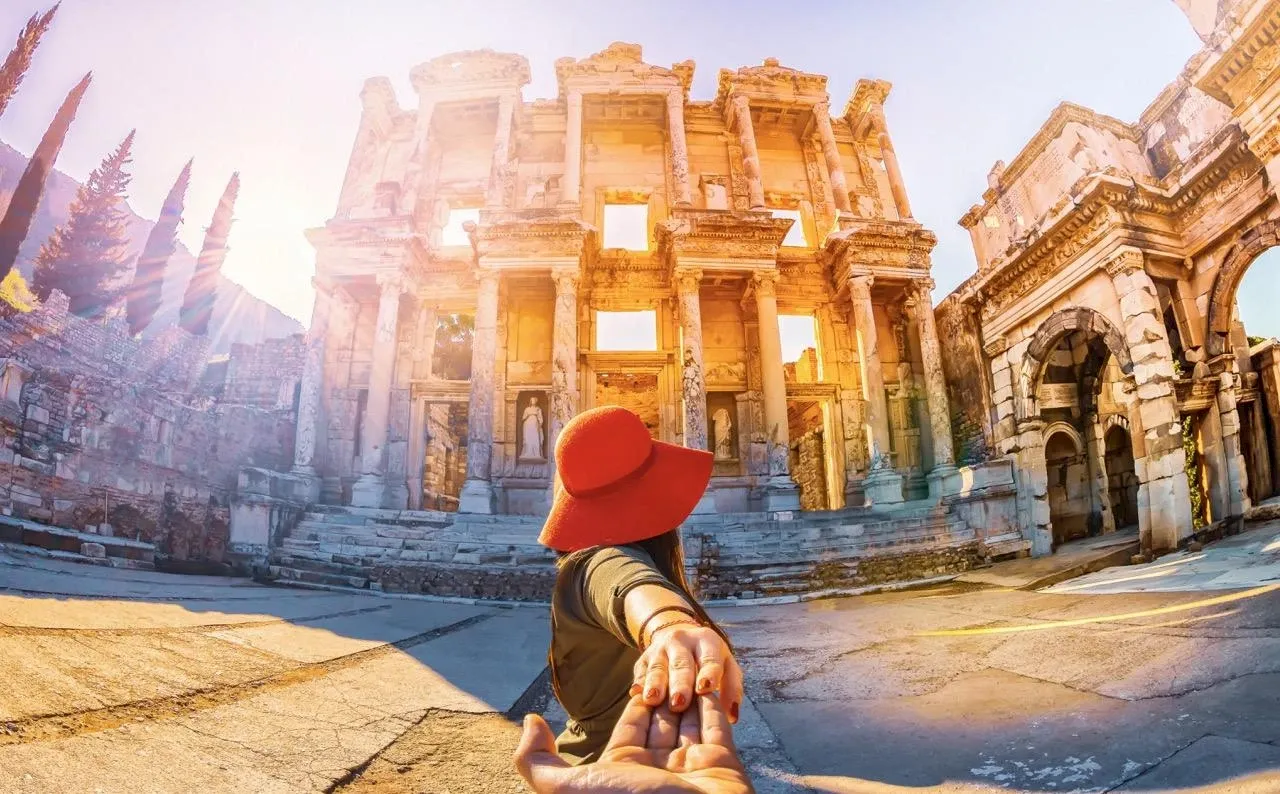
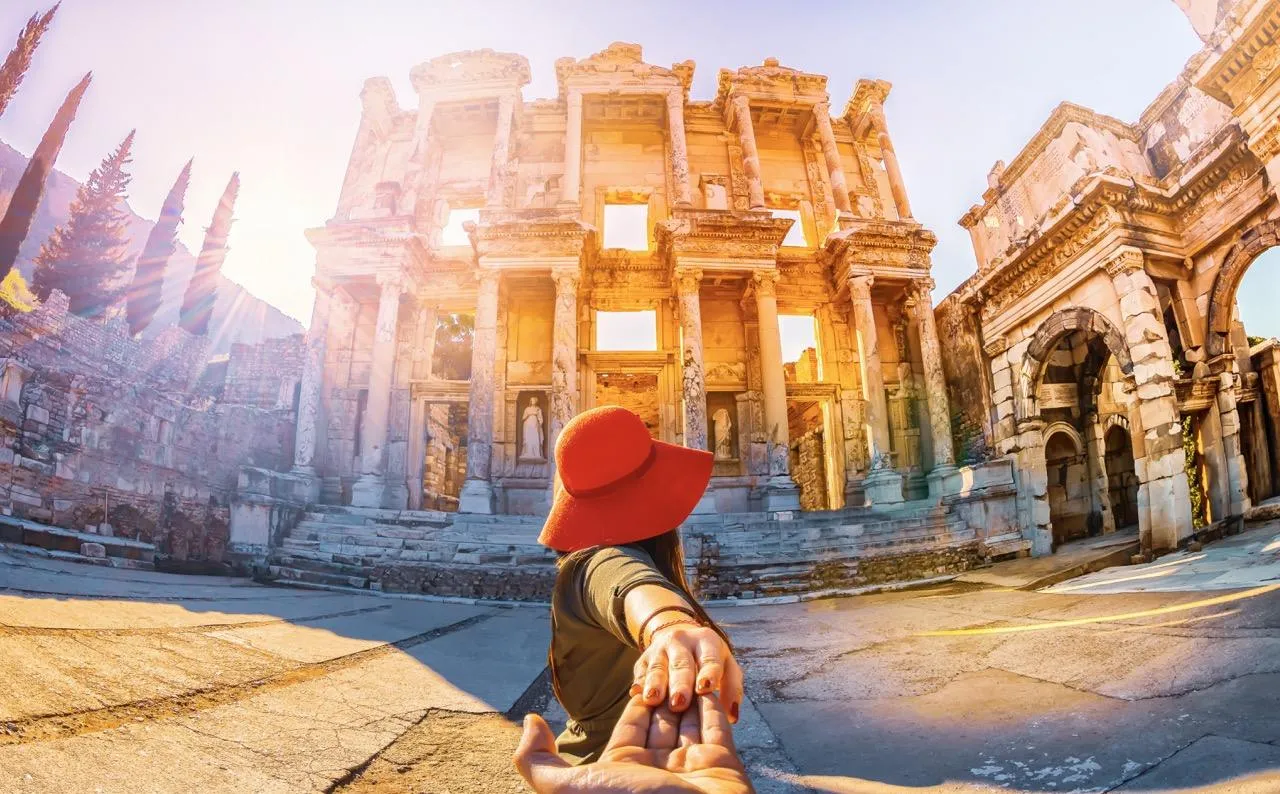
Ephesus, located near the town of Selçuk in Turkey’s Izmir Province, is one of the most visited archaeological sites in the world. As a former center of commerce, culture, and religion in the ancient world, it’s no wonder that millions of travelers flock to this historic city to marvel at its ruins, including the iconic Library of Celsus, the grand Great Theatre, and the remnants of the Temple of Artemis one of the Seven Wonders of the Ancient World. But one common question arises for many visitors: "Do you need a guide to visit Ephesus?" In this detailed guide, we’ll explore whether hiring a guide is necessary or beneficial, the pros and cons of self-guided vs. guided tours, and what to expect when visiting Ephesus in 2024. We’ll also provide tips on how to make the most of your visit, regardless of whether you choose to hire a guide or explore independently.
Table of Contents:
- Introduction to Ephesus
- Do You Need a Guide to Visit Ephesus?
- Benefits of Hiring a Guide in Ephesus
- Self-Guided Tours: What to Know Before You Go
- Audio Guides and Other Resources
- What to Expect from a Guided Tour
- Practical Tips for Visiting Ephesus in 2024
- Frequently Asked Questions
1. Introduction to Ephesus
Ephesus, or Efes in Turkish, was an ancient Greek city founded in the 10th century BC and later became a major Roman city. During its peak under Roman rule, it was one of the largest cities in the Mediterranean, home to over 250,000 people. Ephesus was known for its impressive architecture, bustling port, and its role as a center of religion, commerce, and culture. Today, Ephesus is a UNESCO World Heritage Site and one of the most important archaeological sites in Turkey. It draws millions of visitors annually who come to explore its ruins and imagine life in one of the most influential cities of the ancient world. Key landmarks include the Library of Celsus, the Great Theatre, Curetes Street, and the remains of the Temple of Artemis.
2. Do You Need a Guide to Visit Ephesus?
The short answer is: No, you do not need a guide to visit Ephesus, but having one can greatly enhance your experience. Ephesus is open to the public, and you can easily explore the site on your own without a guide. Many visitors choose to walk through the ancient city independently, taking in the sights at their own pace. However, Ephesus is a vast archaeological site with layers of history, and without a guide, you may miss out on the rich historical context and fascinating stories behind the ruins. Here are the factors to consider when deciding whether or not to hire a guide for your visit to Ephesus:
- Personal Preference: If you enjoy history and want to delve deeper into the cultural and historical significance of the site, a guide can provide in-depth insights that you might not get from just wandering around.
- Time Constraints: If you’re on a tight schedule, hiring a guide can help you make the most of your time by taking you to the most important landmarks and explaining their significance efficiently.
- Cost Considerations: While guides do charge a fee, many visitors find that the added expense is worth it for the enhanced experience they provide. However, if you’re on a budget, exploring Ephesus on your own or with an audio guide is still a great option.
Ultimately, whether or not to hire a guide depends on your interests, budget, and how much you want to learn about the site during your visit.
3. Benefits of Hiring a Guide in Ephesus
There are several benefits to hiring a guide for your visit to Ephesus:
1. In-Depth Historical Insights
Ephesus is filled with layers of history, and a guide can bring these layers to life by providing detailed information about the significance of each site. While you can admire the beauty of the Library of Celsus or the grandeur of the Great Theatre on your own, a guide will give you a deeper understanding of their historical context—how they were used, who built them, and their role in the city’s development. For example, did you know that the Library of Celsus was not only a repository of knowledge but also served as a monumental tomb for Tiberius Julius Celsus, a Roman governor? Or that the Great Theatre could seat up to 25,000 people and was used for both entertainment and political gatherings? A guide can provide these kinds of fascinating details that you might otherwise miss.
2. Help Navigating the Site
Ephesus is a large and sprawling site, and it can be overwhelming to navigate if it’s your first time visiting. A guide can help you navigate the ruins efficiently, taking you to the most important landmarks while explaining their significance. This can be particularly useful if you’re short on time or want to avoid getting lost in the maze of ancient streets.
3. Cultural and Religious Context
Ephesus was not only an important city in the Roman Empire but also a significant site in early Christian history. The city is mentioned in the New Testament, and both St. Paul and St. John are believed to have spent time in Ephesus. A guide can help explain the religious significance of the city, including its connection to the House of the Virgin Mary, located nearby.
4. Personalized Experience
Guides can tailor the tour to your specific interests. Whether you’re fascinated by Roman architecture, ancient religions, or the daily life of Ephesian citizens, a guide can customize the tour to focus on the aspects of Ephesus that most interest you.
4. Self-Guided Tours: What to Know Before You Go
If you prefer to explore Ephesus on your own, it’s entirely possible to do so and still have a rewarding experience. Here’s what you need to know about taking a self-guided tour of Ephesus:
1. Research in Advance
Before your visit, take some time to research the history of Ephesus and its key landmarks. Knowing a bit about the city’s past will help you appreciate what you’re seeing when you arrive. Websites like Wikipedia offer comprehensive information about the major structures in Ephesus, including the Library of Celsus, Great Theatre, and Curetes Street.
2. Use a Guidebook
Bringing a detailed guidebook with you can be a helpful alternative to hiring a guide. Guidebooks typically include maps, background information, and descriptions of the main attractions. You can follow the suggested walking routes to make sure you don’t miss any of the highlights.
3. Audio Guides
Ephesus offers audio guides that can be rented at the entrance. These guides provide pre-recorded commentary on the major landmarks and are a great option if you want to learn more without hiring a live guide. Audio guides are available in multiple languages and provide information at your own pace.
5. Audio Guides and Other Resources
For those who want to explore Ephesus independently but still gain some insights into its history, audio guides are an excellent option. Here’s what to expect:
- Languages Available: Audio guides are available in multiple languages, including English, Turkish, German, French, and more.
- Cost: The rental fee for an audio guide is typically around 40 to 50 Turkish Lira (TRY).
- Content: The audio guides provide detailed descriptions of the main attractions, such as the Library of Celsus, Temple of Hadrian, and Great Theatre. They also include stories and historical facts that enhance your understanding of the site.
In addition to audio guides, there are also smartphone apps and podcasts that offer information on Ephesus. Some visitors prefer downloading these resources before their visit to have offline access to detailed commentary.
6. What to Expect from a Guided Tour
If you decide to hire a guide, here’s what you can expect from the experience:
1. Duration
Guided tours of Ephesus typically last between 2 to 4 hours, depending on how much of the site you want to explore. Some tours also include nearby attractions, such as the House of the Virgin Mary or the Ephesus Archaeological Museum, which can extend the tour.
2. Cost
The cost of hiring a private guide varies but is usually between 200 and 400 Turkish Lira (TRY) for a half-day tour. Group tours are generally less expensive, with prices starting at around 100 to 150 TRY per person.
3. Tailored Itineraries
A private guide can tailor the itinerary to your interests. If you’re particularly interested in Roman architecture, the guide can focus on the city’s buildings and monuments. If you’re more interested in early Christianity, the guide can emphasize Ephesus’ religious significance.
7. Practical Tips for Visiting Ephesus in 2024
Whether you choose to hire a guide or explore on your own, here are some practical tips to make the most of your visit to Ephesus:
- Best Time to Visit: The best times to visit Ephesus are during the spring (April to June) and fall (September to November), when the weather is mild, and the crowds are smaller. If visiting in the summer, try to arrive early in the morning or late in the afternoon to avoid the midday heat.
- Entrance Fees: The entrance fee for Ephesus is 700 Turkish Lira (TRY) for general admission. There is an additional fee of 400 TRY if you want to visit the Terrace Houses, which are well worth the extra cost.
- Wear Comfortable Shoes: Ephesus is a large site with uneven terrain, so comfortable walking shoes are essential.
- Sun Protection: There is very little shade at Ephesus, so be sure to bring sunscreen, a hat, and sunglasses to protect yourself from the sun.
8. Frequently Asked Questions
Q: Do I need a guide to visit Ephesus? A: No, you do not need a guide to visit Ephesus, but hiring one can greatly enhance your experience. A guide can provide historical context, help you navigate the site, and offer personalized insights. Q: Can I visit Ephesus on my own? A: Yes, you can explore Ephesus independently. The site is open to the public, and you can use a guidebook, audio guide, or smartphone app to learn about the landmarks. Q: How much does it cost to hire a guide at Ephesus? A: The cost of hiring a private guide ranges from 200 to 400 Turkish Lira (TRY) for a half-day tour. Group tours are generally less expensive, with prices starting at 100 to 150 TRY per person. Q: How long should I spend at Ephesus? A: Most visitors spend 3 to 4 hours exploring Ephesus. If you’re visiting nearby attractions, such as the House of the Virgin Mary or the Ephesus Museum, allow additional time.
Conclusion
While you do not need a guide to visit Ephesus, hiring one can significantly enhance your experience by providing in-depth historical insights, helping you navigate the vast site, and offering a personalized tour tailored to your interests. Whether you choose to explore independently or with a guide, Ephesus is a must-visit destination filled with ancient wonders and incredible history. By planning ahead and using the resources available, you’ll be able to make the most of your visit to this extraordinary archaeological site. For more detailed information about Ephesus and its history, you can visit Wikipedia’s page on Ephesus.
Historical Background
The history of Do you need a guide to visit Ephesus? dates back to the early days of Ephesus. Archaeological evidence suggests that this aspect of Ephesian life played a crucial role in shaping the city's development and cultural identity.
Archaeological Discoveries
Recent excavations have unveiled remarkable findings related to Do you need a guide to visit Ephesus?. These discoveries provide valuable insights into how this aspect of Ephesian life evolved over time.
Cultural Significance
Understanding Do you need a guide to visit Ephesus? is crucial for appreciating the broader cultural context of ancient Ephesus. Its influence extended beyond the city walls, impacting trade, religion, and daily life.
Visitor Information
Today, visitors to Ephesus can explore the remnants of Do you need a guide to visit Ephesus? firsthand. This section provides practical information for making the most of your visit.
Preservation and Future
Ongoing conservation efforts ensure that Do you need a guide to visit Ephesus? remains preserved for future generations. Learn about the challenges and successes in maintaining this important historical site.
Frequently Asked Questions
What is the historical significance of Do you need a guide to visit Ephesus??
The Do you need a guide to visit Ephesus? holds great historical importance in ancient Ephesus, providing valuable insights into the city's cultural and social development.
What can visitors see related to Do you need a guide to visit Ephesus? today?
Visitors to Ephesus can explore well-preserved remains and artifacts related to Do you need a guide to visit Ephesus?, offering a glimpse into the ancient world.
When is the best time to visit Do you need a guide to visit Ephesus??
The best time to visit is during the spring (April-May) or autumn (September-October) when the weather is mild and crowds are smaller.
Frequently Asked Questions
What is the historical significance of Do you need a guide to visit Ephesus??
The Do you need a guide to visit Ephesus? holds great historical importance in ancient Ephesus, providing valuable insights into the city's cultural and social development.
What can visitors see related to Do you need a guide to visit Ephesus? today?
Visitors to Ephesus can explore well-preserved remains and artifacts related to Do you need a guide to visit Ephesus?, offering a glimpse into the ancient world.
When is the best time to visit Do you need a guide to visit Ephesus??
The best time to visit is during the spring (April-May) or autumn (September-October) when the weather is mild and crowds are smaller.
Frequently Asked Questions
What is the historical significance of Do you need a guide to visit Ephesus??
The Do you need a guide to visit Ephesus? holds great historical importance in ancient Ephesus, providing valuable insights into the city's cultural and social development.
What can visitors see related to Do you need a guide to visit Ephesus? today?
Visitors to Ephesus can explore well-preserved remains and artifacts related to Do you need a guide to visit Ephesus?, offering a glimpse into the ancient world.
When is the best time to visit Do you need a guide to visit Ephesus??
The best time to visit is during the spring (April-May) or autumn (September-October) when the weather is mild and crowds are smaller.