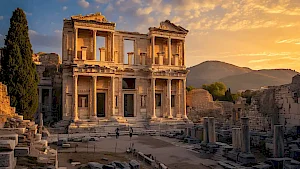


Ephesus Rediscovered: A Journey Through the Ages
Ephesus, an ancient city nestled on Turkey's western coast, is a place where history and legend intertwine. Once a bustling metropolis, Ephesus was home to one of the Seven Wonders of the Ancient World, a center for early Christianity, and a hub of culture and commerce. Today, exploring its well-preserved ruins offers visitors a fascinating journey through the ages, uncovering stories of gods, emperors, and ordinary citizens. In this post, we’ll explore the highlights of Ephesus, tracing its legacy from its early days through its rise and eventual decline.
1. The Temple of Artemis: A Wonder of the Ancient World
Ephesus' fame initially grew from its devotion to Artemis, the goddess of the hunt, fertility, and nature. The Temple of Artemis, one of the largest temples in the ancient world, attracted pilgrims from far and wide, who came to worship and marvel at the architectural wonder. Although the temple is largely in ruins today, it once featured over a hundred towering columns and intricate sculptures that showcased the city’s wealth and devotion. This temple marked Ephesus as a place of spiritual significance long before Christianity arrived.
2. The Hellenistic and Roman Eras
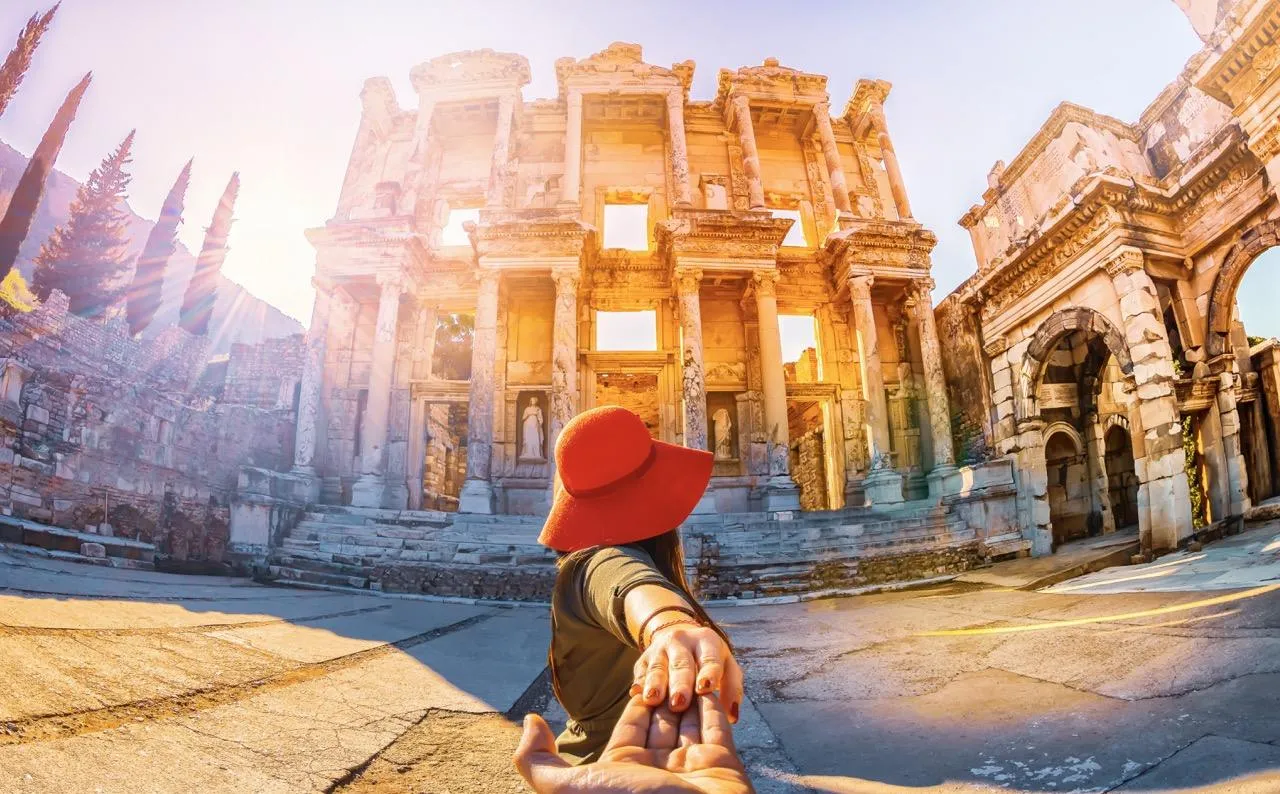
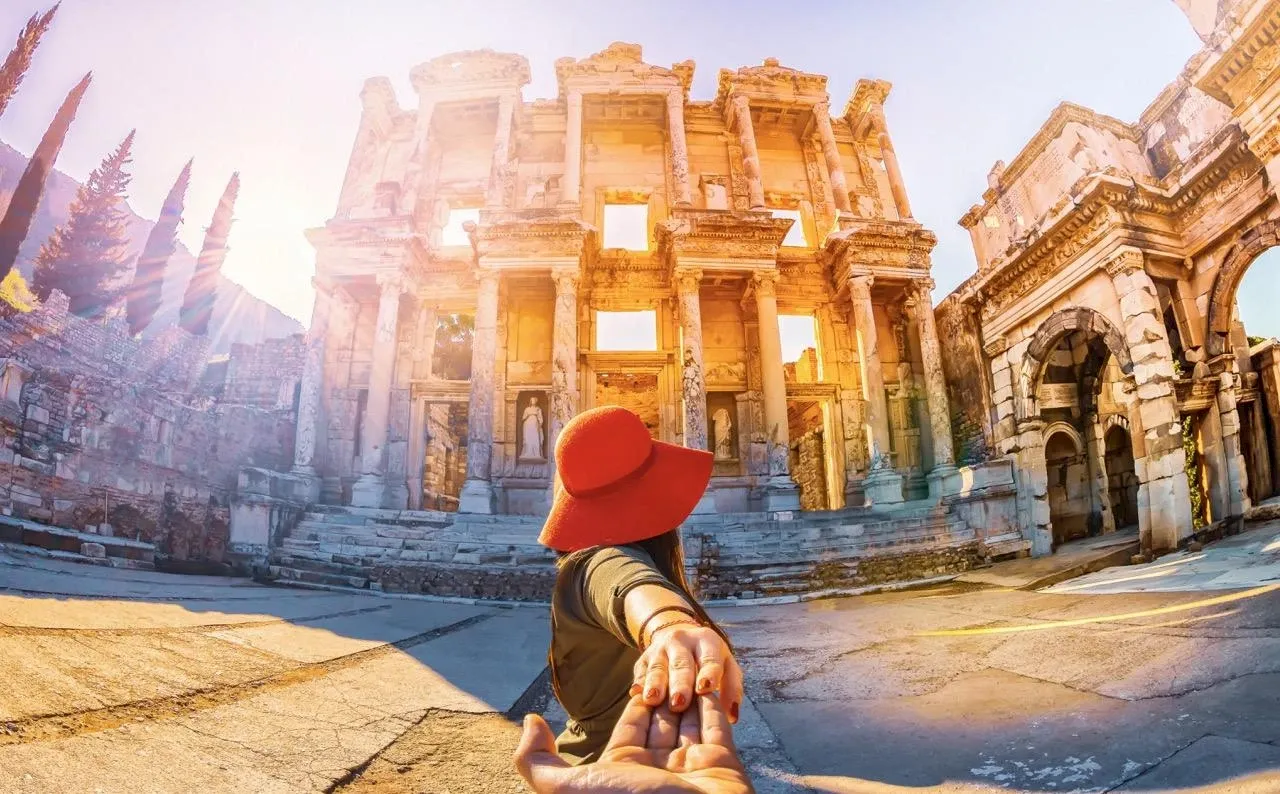
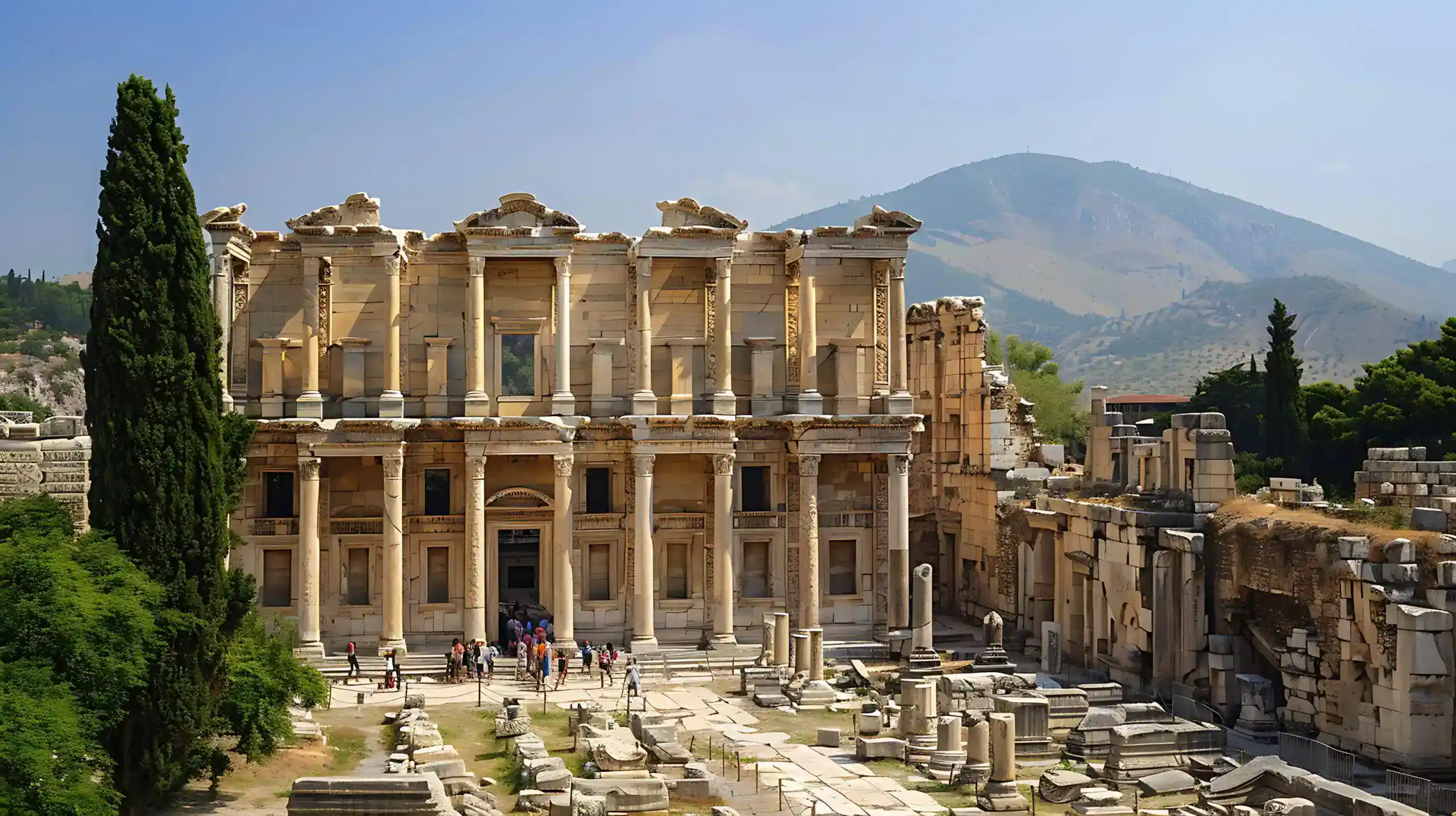
Ephesus thrived under Hellenistic influence, becoming an important cultural and trade center. Its layout was enhanced with grand boulevards, impressive public buildings, and bustling marketplaces. When the city became part of the Roman Empire, it reached its zenith, with structures like the Library of Celsus and the Great Theatre showcasing the city's prosperity. Walking through these well-preserved ruins, one can imagine the grandeur of a city at the height of its power, where arts, philosophy, and commerce flourished. Notable Sites:
- Library of Celsus: An architectural masterpiece and symbol of learning.
- The Great Theatre: Capable of seating 24,000 people, it served as a venue for performances and civic gatherings.
3. The Arrival of Christianity
With the spread of Christianity, Ephesus became an important center for the new faith. The Apostle Paul spent time in Ephesus, preaching to its citizens and establishing one of the earliest Christian communities. According to tradition, St. John and the Virgin Mary also spent their final days here. The Basilica of St. John was constructed over what is believed to be the apostle’s tomb, while the House of the Virgin Mary, located on a serene hillside, is now a pilgrimage site for Christians and Muslims alike. Highlights:
- Basilica of St. John: Built by Emperor Justinian, this basilica is a testament to Ephesus’ Christian heritage.
- House of the Virgin Mary: A peaceful retreat where Mary is said to have lived her last days, attracting visitors of various faiths.
4. The Decline and Rediscovery of Ephesus
Ephesus began to decline due to natural disasters, changing trade routes, and the silting of its harbor, which diminished its importance as a port city. By the Middle Ages, Ephesus was largely abandoned, its once-grand buildings left to decay. The city remained hidden under layers of earth until excavations in the late 19th century began to reveal its ruins, sparking worldwide interest and shedding light on its rich history. The rediscovery of Ephesus continues to this day, with archaeologists uncovering new finds that offer deeper insights into its past. These discoveries bring the ancient city back to life, allowing visitors to walk its marble streets, explore its temples, and feel connected to a world that thrived thousands of years ago.
5. Ephesus Today: A UNESCO World Heritage Site
Today, Ephesus is one of Turkey’s most visited historical sites, recognized as a UNESCO World Heritage Site for its cultural and historical significance. The well-preserved ruins, including the Temple of Hadrian, the Agora, and the public baths, give visitors a comprehensive view of life in an ancient metropolis. Guided tours offer historical context, while festivals and concerts held in the ancient theatre provide a unique experience, blending past and present. Conclusion Ephesus is a city that resonates with echoes of the past, its ruins telling stories of deities and emperors, philosophers and saints. A visit to Ephesus is more than just a walk through history; it’s a journey through the ages, where each stone holds a piece of a legacy that has endured for centuries. Whether you’re drawn to the spiritual heritage of the city, the grandeur of its architecture, or the lives of those who walked its streets, Ephesus offers an unforgettable glimpse into the ancient world. For more information about Ephesus, visit the Wikipedia page on Ephesus.
Introduction
Discover the fascinating world of Ephesus Rediscovered: A Journey Through the Ages in ancient Ephesus. This comprehensive guide explores the historical significance, archaeological findings, and cultural impact of this remarkable aspect of Ephesian heritage.
Historical Background
The history of Ephesus Rediscovered: A Journey Through the Ages dates back to the early days of Ephesus. Archaeological evidence suggests that this aspect of Ephesian life played a crucial role in shaping the city's development and cultural identity.
Archaeological Discoveries
Recent excavations have unveiled remarkable findings related to Ephesus Rediscovered: A Journey Through the Ages. These discoveries provide valuable insights into how this aspect of Ephesian life evolved over time.
Cultural Significance
Understanding Ephesus Rediscovered: A Journey Through the Ages is crucial for appreciating the broader cultural context of ancient Ephesus. Its influence extended beyond the city walls, impacting trade, religion, and daily life.
Visitor Information
Today, visitors to Ephesus can explore the remnants of Ephesus Rediscovered: A Journey Through the Ages firsthand. This section provides practical information for making the most of your visit.
Preservation and Future
Ongoing conservation efforts ensure that Ephesus Rediscovered: A Journey Through the Ages remains preserved for future generations. Learn about the challenges and successes in maintaining this important historical site.
Frequently Asked Questions
What is the historical significance of Ephesus Rediscovered: A Journey Through the Ages?
The Ephesus Rediscovered: A Journey Through the Ages holds great historical importance in ancient Ephesus, providing valuable insights into the city's cultural and social development.
What can visitors see related to Ephesus Rediscovered: A Journey Through the Ages today?
Visitors to Ephesus can explore well-preserved remains and artifacts related to Ephesus Rediscovered: A Journey Through the Ages, offering a glimpse into the ancient world.
When is the best time to visit Ephesus Rediscovered: A Journey Through the Ages?
The best time to visit is during the spring (April-May) or autumn (September-October) when the weather is mild and crowds are smaller.
Frequently Asked Questions
What is the historical significance of Ephesus Rediscovered: A Journey Through the Ages?
The Ephesus Rediscovered: A Journey Through the Ages holds great historical importance in ancient Ephesus, providing valuable insights into the city's cultural and social development.
What can visitors see related to Ephesus Rediscovered: A Journey Through the Ages today?
Visitors to Ephesus can explore well-preserved remains and artifacts related to Ephesus Rediscovered: A Journey Through the Ages, offering a glimpse into the ancient world.
When is the best time to visit Ephesus Rediscovered: A Journey Through the Ages?
The best time to visit is during the spring (April-May) or autumn (September-October) when the weather is mild and crowds are smaller.
Frequently Asked Questions
What is the historical significance of Ephesus Rediscovered: A Journey Through the Ages?
The Ephesus Rediscovered: A Journey Through the Ages holds great historical importance in ancient Ephesus, providing valuable insights into the city's cultural and social development.
What can visitors see related to Ephesus Rediscovered: A Journey Through the Ages today?
Visitors to Ephesus can explore well-preserved remains and artifacts related to Ephesus Rediscovered: A Journey Through the Ages, offering a glimpse into the ancient world.
When is the best time to visit Ephesus Rediscovered: A Journey Through the Ages?
The best time to visit is during the spring (April-May) or autumn (September-October) when the weather is mild and crowds are smaller.